
Efforts to curtail fraud in healthcare programs are saving billions for taxpayers. The Fraud Task Force, spearheaded by Vice President JD Vance, is targeting exploitation within Obamacare. Approximately 750,000 individuals with suspected fraudulent enrollment will be removed from the program, potentially saving $2.2 billion.
In addition to removing these individuals, the Task Force is also implementing rigorous checks for 419,000 more participants. These checks ensure that enrollees are legal residents and meet the income requirements necessary for Obamacare benefits. According to Vance, these actions redirect funds to essential services for genuine need.
During a press conference at the White House, Vance criticized the previous administration under President Joe Biden. He argued that incentives for brokers and relaxed enrollment criteria created an environment for widespread fraud. An example cited involved a fraud ring of 40 agents fraudulently entering 50,000 people into the Obamacare system. Many did not meet citizenship or income standards, and some did not even exist.
Dr. Mehmet Oz, Administrator for the Centers for Medicare and Medicaid Services, highlighted further fraudulent practices. He noted that over 1.1 million Obamacare enrollees this year lacked Social Security numbers, raising red flags. Another concerning discovery was that 35% of enrollees hadn’t used the program, suggesting they are fraudulent.
A case involving convicted fraudsters Cory Lloyd and Stephen Strong was detailed. They exploited vulnerable individuals by enrolling them in Obamacare to collect commissions. Their scheme led to convictions on multiple counts, including wire fraud. They face 20 years in prison and must pay $180.6 million in restitution.
 Presley Gerber’s Passing Raises Addiction Recovery Concerns
 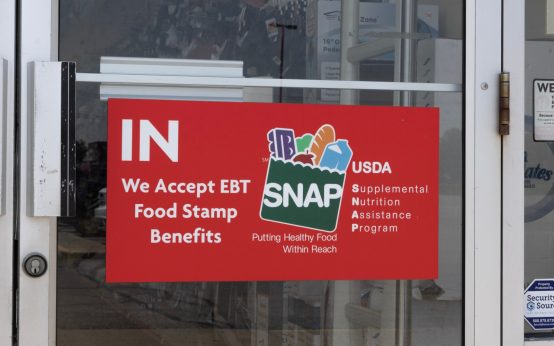 Understanding October SNAP Benefits: Payment Dates and Changes
  Managing Distress and Discomfort Effectively
  Trump Administration Seeks to Influence NIH Grantmaking
  Addressing the Complex Issue of Suicide and Its Prevention
  Quality of Sleep Linked to Risk Reduction in Various Diseases