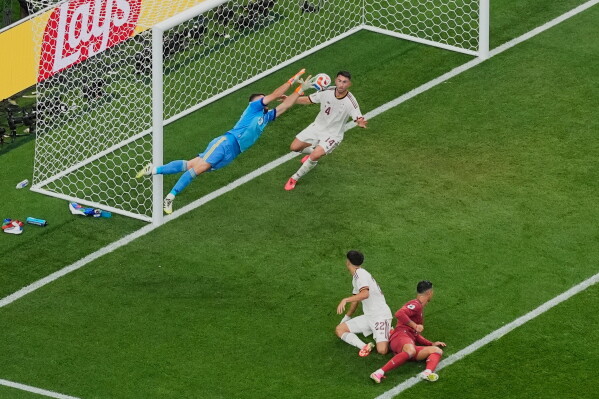
FIFA’s unexpected decision to revoke the suspension of U.S. player Folarin Balogun has sparked controversy among soccer fans and political leaders. Belgium, set to compete against the U.S. in the next World Cup match, expressed discontent over the influence President Donald Trump might have had on this rare ruling. Hours before the game, FIFA rejected Belgium’s objection to the intervention.
Impact of Balogun’s Red Card and FIFA’s Decision
Born in New York, raised in London, and playing in the French league, Balogun’s American citizenship allowed him to represent the U.S. His commitment to the team was pivotal and his performance has been significant, scoring three goals in the tournament. However, his actions in a game against Bosnia-Herzegovina, where he stepped on an opponent’s ankle, led to a controversial red card.
The red card decision was questioned. It seemed more a result of awkwardness than intent. Normally, a red card results in suspension from the subsequent match. Had the decision stood, Coach Mauricio Pochettino would face challenges due to Balogun’s unique role in the team. Ricardo Pepi, his likely replacement, had not scored in four World Cup games.
FIFA’s Rationale and Lack of Transparency
FIFA employed article 27 of its disciplinary code, allowing a “judicial body” to suspend disciplinary actions. This article seldom appears in play without clear guidelines on eligible cases. Previous use of this rule occurred with Cristiano Ronaldo, who had a suspension partially lifted. Balogun’s situation appears unprecedented since 1962, when a host nation’s president influenced a player’s eligibility.
FIFA did not provide detailed reasoning. Administration insisted decisions were independent and regulation-based.
Trump’s Role in Overturning the Suspension
After lifting the suspension, Trump thanked FIFA on social media, stating it was rectifying an injustice. Trump explained he contacted FIFA President Gianni Infantino to reconsider the referee’s decision. Known for their rapport, Infantino and Trump met frequently during U.S. World Cup preparations. Yet, FIFA’s rules discourage governmental intervention in soccer governance. Historically, FIFA has penalized federations for such breaches.
U.S. Coach Pochettino supported Balogun, deeming the red card unjust.
Belgium’s Response and Legal Actions
The Belgian soccer federation expressed shock, comparing the ruling to a prank. FIFA dismissed their appeal hours before the match, stating Belgium lacked standing. Generally, suspensions less than two games are unappealable. Whether Belgium could pursue the matter with the Court of Arbitration for Sport remains uncertain.
Prime Minister Bart de Wever’s cat’s social media account humorously commented on the situation.
Opinions from Soccer Figures
UEFA criticized FIFA’s decision, claiming it endangered the game’s integrity. Norway’s coach Ståle Solbakken and England’s coach Thomas Tuchel expressed concerns about future implications for on-field decisions. Conversely, Zlatan Ibrahimovic supported the decision, acknowledging the U.S. team’s and Balogun’s performances.
Overall, this incident raises questions about consistency and fairness in officiating, and how governing bodies address disciplinary actions during major tournaments.
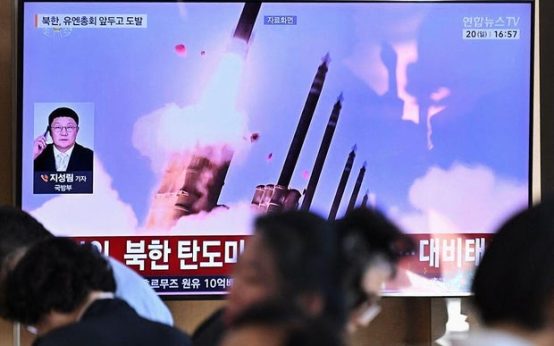 North Korea’s Missile Launches Escalate Tensions
 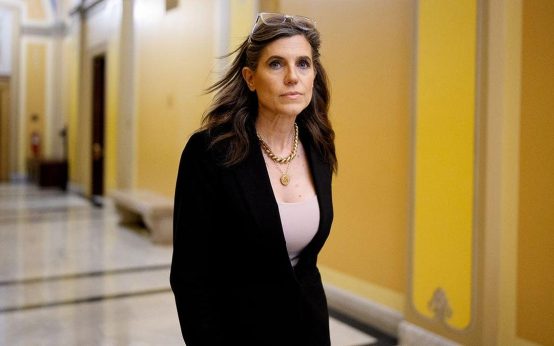 Sunday Highlights: Lane Kiffin, Nancy Mace, and College Football Drama
 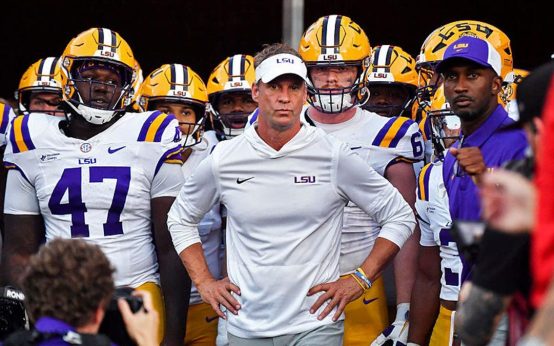 Lane Kiffin’s Return to Ole Miss: Controversy and College Football Drama
 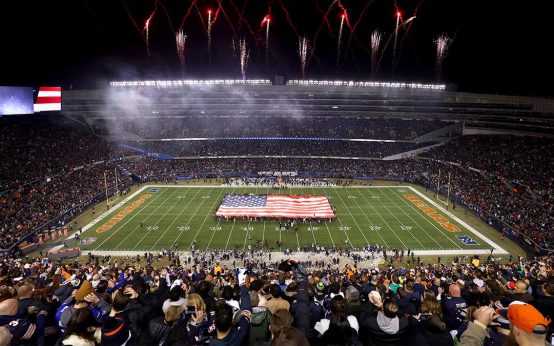 Chicago Bears’ Potential Move to Indiana: A Closer Look
  The Future of College Sports: Protecting the Collegiate Model
  U.S. Plans for Permanent Army Base in Poland Amid Tensions with Russia