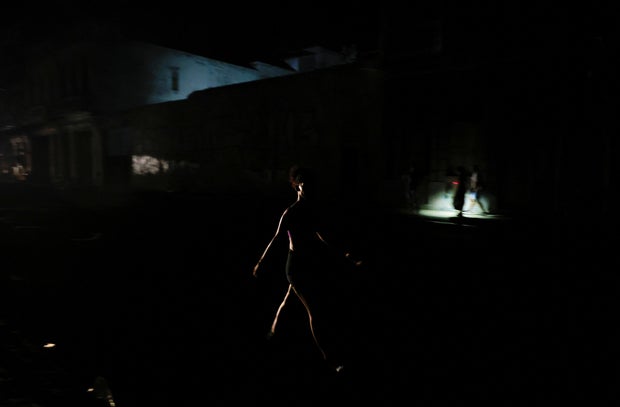
Cubans began regaining power on Tuesday after facing the third nationwide blackout this year. The energy crisis stems from a U.S. fuel blockade, compounding the island’s struggles. President Trump halted oil supplies to Cuba in January, severely impacting the nation’s power plants.
Union Electrica (UNE), Cuba’s state electricity provider, declared a “total disconnection” across the island on Monday. Its 9.6 million residents were left without power, with no initial explanation given. Early Tuesday, UNE reported restoring electricity to over 30 percent of the capital. This included 43 medical centers and nine water distribution facilities.
The current blackout marks the eighth since late 2024. In Havana, around 10 million people remained without electricity. The shortage of fuel complicates repair efforts, according to Lazaro Guerra, director of electricity at the Ministry of Energy and Mines. He provided no timetable for completing repairs.
Cuban President Miguel Diaz-Canel criticized the U.S. sanctions policy. “The U.S. is trying to incite unrest by blocking fuel access,” he stated. UNE is actively working to restore the National Electric System amidst these challenges, he emphasized.
This recent outage occurred as the government enforced strict power cuts throughout the nation. In some Havana areas, residents faced over 30-hour power cuts; in rural regions, outages stretched beyond 70 hours. Such measures aim to conserve dwindling fuel supplies.
“Living like this is agony,” shared Meyboll Font, a social media community manager from Havana. Her area endured just a few hours of electricity daily. The extended blackout added uncertainty about when the power would resume. A software programmer from a tourism startup echoed similar sentiments, struggling without WiFi or electricity.
Cuban power outages have persisted over the years, worsened by aging Soviet-era electricity plants. The frequency of outages increased with the start of the fuel blockade. Cuba relies heavily on oil imports, and since January, only a single Russian tanker reached its shores. This aligns with U.S. efforts to challenge Havana’s decades-long communist rule.
President Trump cited the U.S. actions in Venezuela, suggesting it could serve as a model for Cuba. Despite international pressure, Cuba remains steadfast in its political stance. The blockade and additional sanctions have exacerbated the country’s already dire situation.
Access to essential resources such as food, drinking water, and medicine has diminished. Even some medical operations faced delays, prompting U.N. warnings of a humanitarian crisis. Transport on the island nearly halted entirely.
Recently, the Cuban government proposed significant reforms to loosen state control over the economy. The U.S. State Department dismissed these measures, demanding more substantial changes. Bilateral discussions continue, but no resolution has emerged. Havana accused the U.S. of obstructing U.N. debates on its sanctions and blockade.
 Trump Delivers Warning to Iran, Cuba at UN General Assembly
  Trump Delivers Stern UN Speech on Iran, AI, and Global Security
 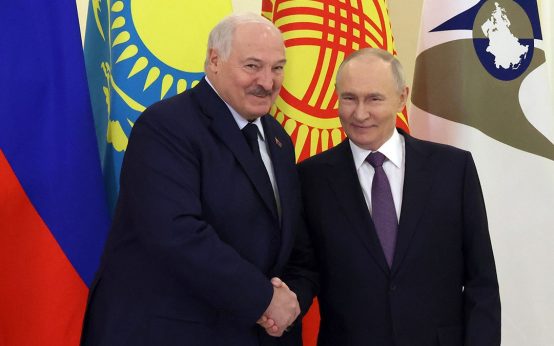 Lukashenko and Putin’s Unique Relationship and Belarus’ Strategic Role
 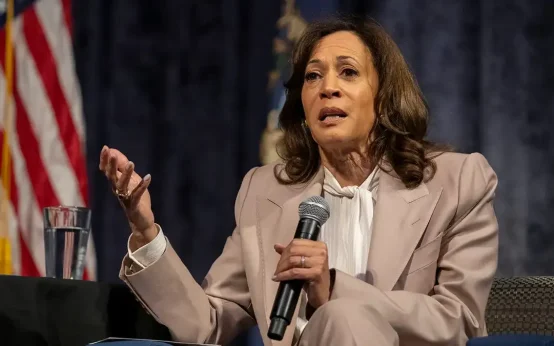 Harris Discusses Potential 2028 Presidential Run
  Far-Left Groups Allegedly Organize Protests in Austin
 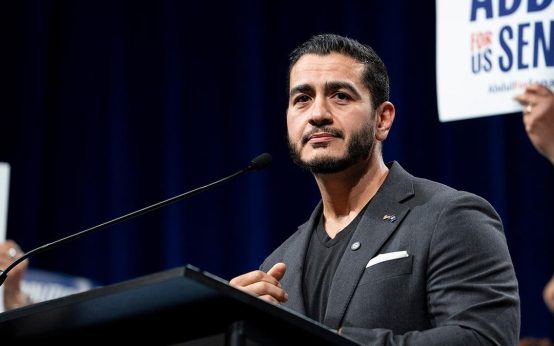 Michigan Senate Nominee Abdul El-Sayed Criticized for Remarks on Reproductive Rights