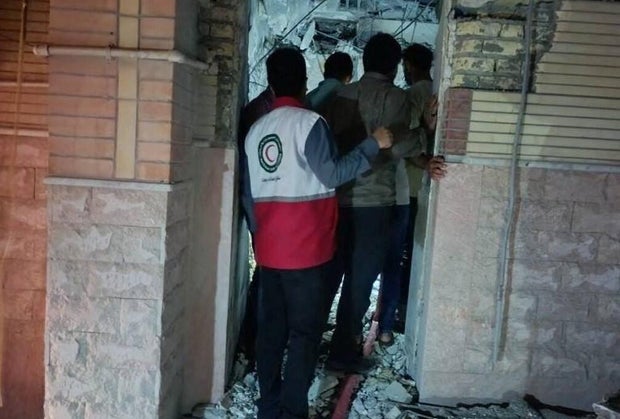
Escalation in Iran-U.S. Hostilities
Iranian officials reported on Wednesday that a recent U.S. strike targeted a wedding party in southern Iran, resulting in over 50 casualties. U.S. officials have yet to comment on this claim. Iran responded to U.S. actions by hitting U.S. allies Jordan, the United Arab Emirates, and Kuwait with retaliatory strikes. The U.S. military stated its recent airstrikes focused on Iranian military objectives.
Iran’s Military Targets U.S. Bases
The Islamic Revolutionary Guard Corps (IRGC) of Iran announced attacks on at least seven bases associated with U.S. forces. These locations included Camp Tabrin and Prince Hassan Base in Jordan. However, the U.S. Central Command rejected claims of U.S. casualties, noting discrepancies in Iran’s reports. Bases in Erbil, Kuwait, Bahrain, and the UAE were reportedly targeted, yet U.S. and allied defenses stated no significant damage occurred.
Diplomatic Responses
Iran’s foreign ministry accused the U.S. of conducting a deadly airstrike on a wedding in Kuhestak, resulting in numerous casualties. The statement described the incident as part of ongoing hostilities. The U.S. acknowledged past unintentional strikes due to outdated intelligence. Iranian officials vowed to respond firmly to what they perceive as continued American aggression.
Economic Impact
With the renewal of direct conflict, oil prices have surged. Brent crude oil reached around $95 per barrel, marking a 40% increase over the past year. West Texas Intermediate, a U.S. oil benchmark, also saw price hikes. The Strait of Hormuz remains a critical factor in global oil supply disruptions amid these tensions.
President Trump’s Stance
President Trump encouraged the Iranian public to oppose their government. In online communications, he indicated skepticism regarding a potential peace agreement, referring to perceived economic challenges in Iran. While Trump’s rhetoric initially supported Iranian regime change, his position evolved over time, with intermittent efforts at negotiation.
Military Operations and Aftermath
U.S. Central Command confirmed completing another round of strikes on Iranian targets, focusing on military infrastructure like air defenses and communication systems. Iran’s retaliatory actions included missile strikes on Jordan and drone attacks on Bahrain. Jordan reported successful interception of incoming missiles, with minimal effect on its territory.
Future Prospects and Presidential Warnings
Amid ongoing military actions, President Trump warned of severe consequences for any Iranian retaliation. His stance against negotiating with Iran remains firm, expressing doubts about achieving a viable agreement to end hostilities.
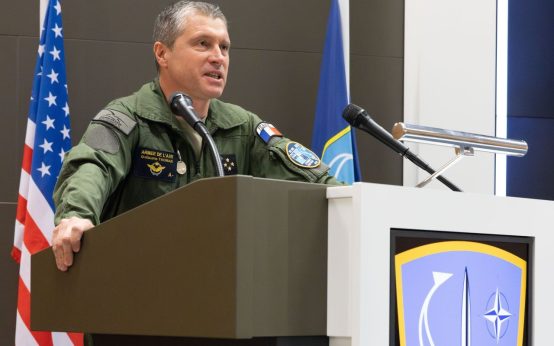 NATO’s Air Defense: Tackling Rising Drone Threats
 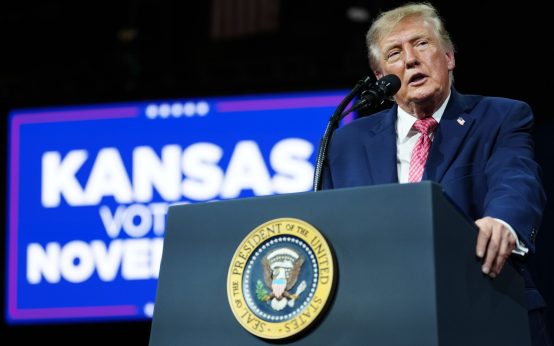 Trump Announces $8 Billion Harvest Fuel Relief Program for Farmers
 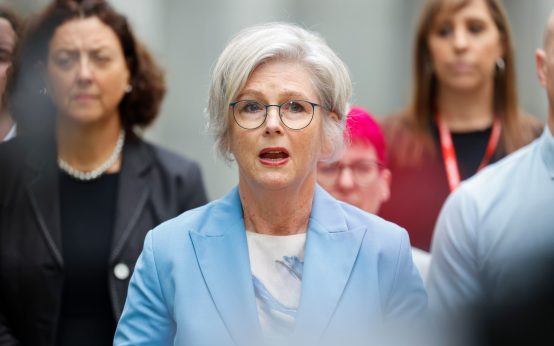 Attack on Australian MP Helen Haines: Updates and Reactions
  Christian Advocacy and the Call for Action on Settler Violence in the West Bank
  France at a Crossroads: Examining Social and Fiscal Challenges
  Texas Data Centers Face Criticism Over Water Use Reporting