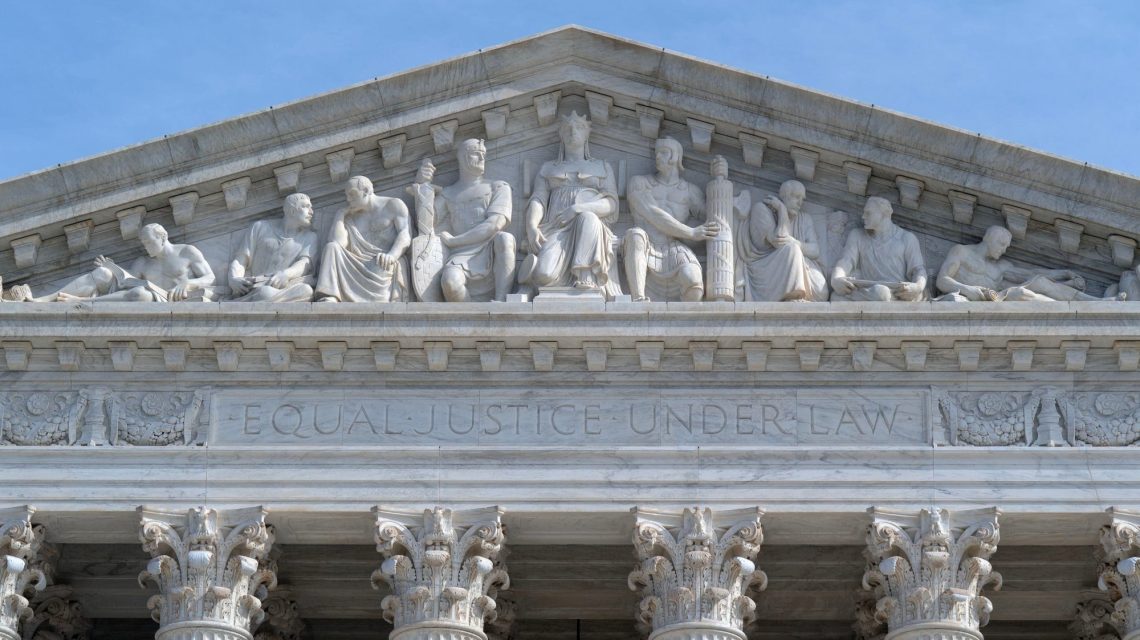
The U.S. Supreme Court recently concluded its October 2025 term, reinforcing its reputation as a political entity. Conservative law Professor William Baude acknowledged the courts’ dismissal of several key actions by President Trump, highlighting that a court with a majority of his appointees opposed him on birthright citizenship, tariffs, and voting by mail.
Legal commentator Elie Honig suggested that some decisions were due to differences in judicial methodology. He cited cases like the National Guard and Mifepristone as temporary setbacks for Trump. However, this perspective did not account for cases involving asylum, Temporary Protected Status, the Voting Rights Act, campaign finance, and others that favored Trump.
On the other hand, liberal law professor Stephen Vladeck likened the occasional opposition from the conservative majority to an arsonist bearing a fire extinguisher. He perceived the term as bleak, noting instances where the three Democratic appointees sided together on nearly all controversial 5-4 or 6-3 split rulings.
Chief Justice Roberts played a pivotal role, forming a coalition to counteract some of Trump’s overreaches. He blocked efforts such as unnecessary tariffs, unconstitutional citizenship redefinitions, and attempts to remove Federal Reserve Governor Lisa Cook.
The court upheld birthright citizenship in Trump v. Barbara, asserting U.S. citizenship for those born on American soil. The narrow 5-4 margin surprised many, reflecting Trump’s significant but unsuccessful challenge. Roberts articulated a strong majority opinion emphasizing the 14th Amendment’s historical basis for citizenship.
The term also included significant cases like Slaughter, which overturned long-standing precedents to promote a unitary executive. This change allowed Trump more power over independent agencies, controversial actions mirrored in prior tensions with various departments.
In Louisiana v. Callais, changes to the Voting Rights Act were seen, which diminished protections under Section 2. A preceding shadow docket decision in Allen v. Milligan authorized a contentious Alabama voting map, raising concerns about racial discrimination.
James D. Zirin, a former federal prosecutor, critiqued the term, noting that the Supreme Court frequently sided with Republicans and Trump unless constrained otherwise. This expansion of presidential power posed risks of unprecedented authority, as highlighted in Justice Sonia Sotomayor’s dissent in Slaughter.
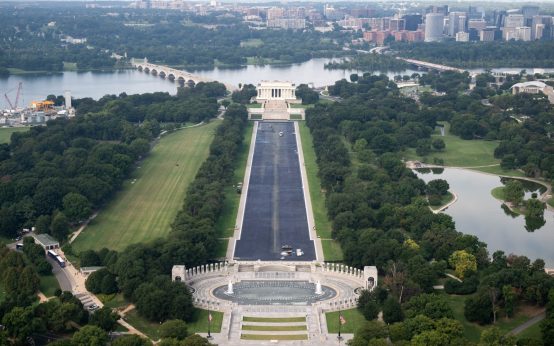 Case Dismissed Against David Hearn Over Lincoln Memorial Reflecting Pool Incident
  U.S. Supreme Court Clears Tennessee’s Path to Execute Christa Pike
  Details Emerge in Cornell University Alleged Gang Rape Lawsuit
 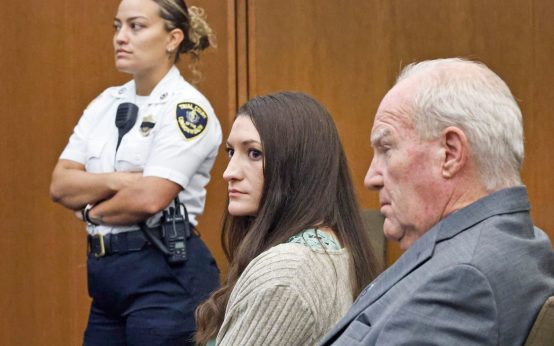 Lindsay Clancy’s Legal Battle Continues After Mistrial
 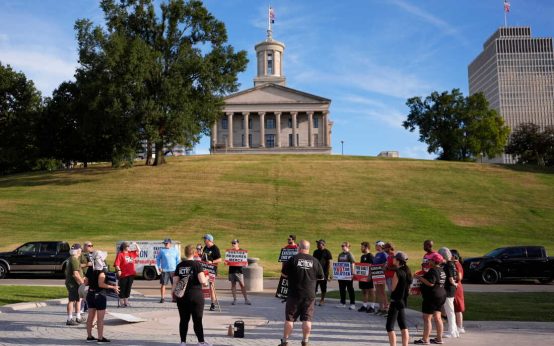 Execution of Christa Pike Sparks Protest and Legal Appeals
  Lindsay Clancy Case Returns to Court Amid Legal Strategies and Juror Dispute