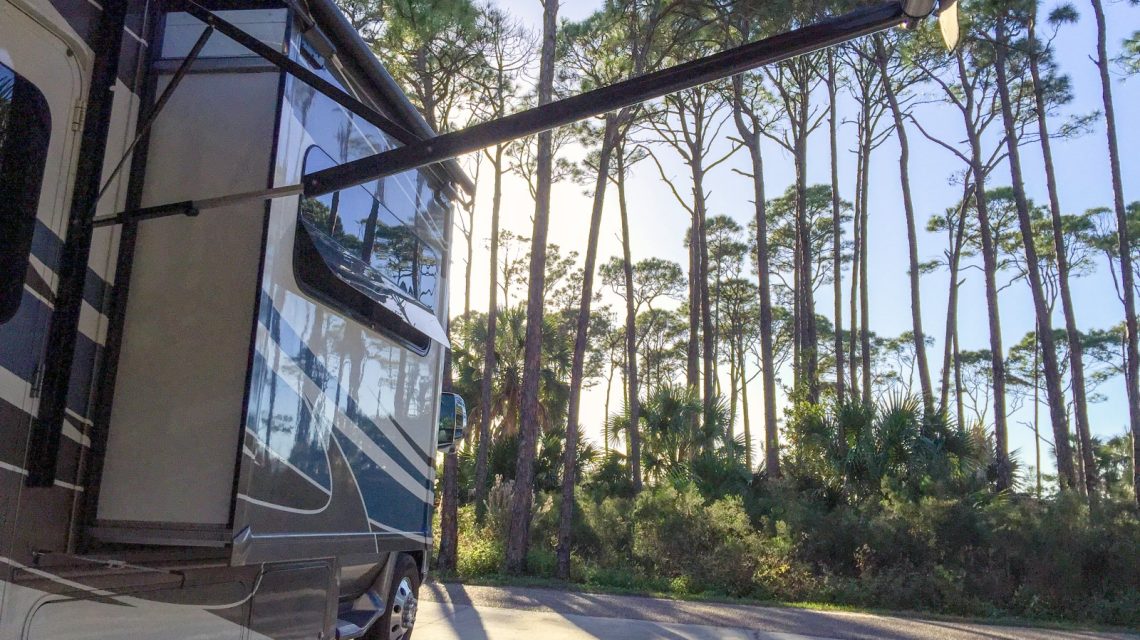
Americans aiming to escape northern cold by heading to warmer southern states might encounter unexpected challenges this winter. Forecasters indicate a strengthening El Niño climate pattern could transform the southern United States into a “storm highway,” elevating risks of severe rainfall and thunderstorms.
The seasonal migration, often termed “snowbirding,” typically starts in October or November and concludes by March or April. Florida is the top destination, but regions like Arizona, Texas, South Carolina, and other parts of the Southeast and Southwest also attract significant seasonal populations. Historically, retirees have dominated this migration; however, remote work has enabled working-age Americans to join in.
While seeking to escape the cold, these travelers might face extreme weather risks. Ben Noll, a meteorologist with The Washington Post, has noted, “A storm highway” might stretch from the West to the South and East Coast next winter as El Niño intensifies the subtropical jet stream. This could result in heightened chances of extreme rainfall and severe storms, making it a challenging winter for southern travel.
El Niño’s Influence on Weather Patterns
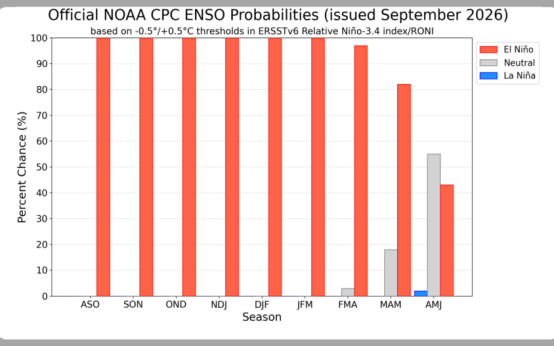
The concern arises from rapid El Niño developments in the tropical Pacific Ocean. The National Oceanic and Atmospheric Administration (NOAA) officially declared El Niño’s presence in June and predicts it will intensify and peak by winter 2026-27. NOAA estimates a 63% probability of a significant event. Meteorologists suggest it could become one of the most intense episodes since records began, with some labeling it a “super” El Niño.
This potent El Niño is expected to significantly impact U.S. weather, particularly during winter. El Niño patterns are most pronounced in winter, shifting the Pacific jet stream southward, directing active systems across California and the southern United States. This shift typically results in wetter-than-average conditions in these regions, while northern states might remain warmer.
Threat No. 1: Extreme Rainfall
For winter travelers, increased rainfall risk is a primary concern. A “storm highway” refers to a persistent atmospheric setup directing storms along a consistent path. Under strong El Niño conditions, this path often extends from California through the southern Plains to the Gulf and Atlantic coasts.
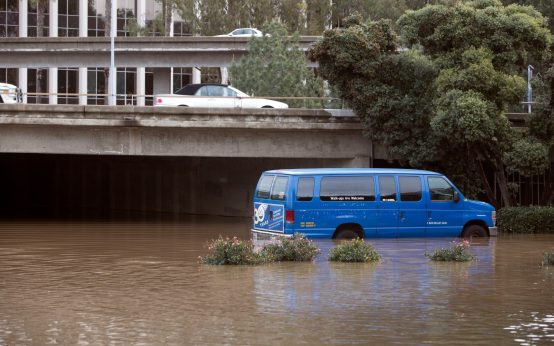
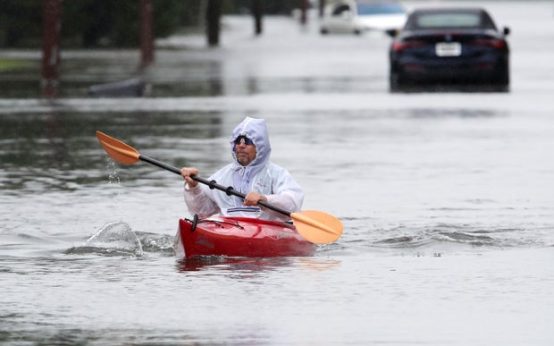
For those wintering in Florida, Texas, Louisiana, Mississippi, Alabama, or the Carolinas, this can mean a higher chance of prolonged rains, flooding, and travel disruptions. Repeated storms can saturate soils and flood roadways. Coastal areas face additional risks when heavy rains coincide with high tides.
The threat also applies to southern California, often experiencing wetter winters during El Niño years. While increased rain can replenish reservoirs and alleviate droughts, intense atmospheric events can cause flooding and landslides, especially in fire-affected regions.
For seasonal residents in RV parks or coastal rentals, such persistent rains could disrupt travel, outdoor activities, and local tourism.
Threat No. 2: Severe Storms
The second significant concern is the potential for severe weather, which might be more dangerous. An energized subtropical jet stream provides vital atmospheric elements for thunderstorms. When Gulf moisture combines with strong upper-level winds, conditions may favor severe thunderstorms with damaging winds, hail, and tornadoes.
Research shows El Niño winters can elevate severe weather risks across the Gulf Coast and Southeast, with states like Texas, Louisiana, Mississippi, Alabama, Florida, and Georgia potentially facing more severe conditions. This could be challenging for retirees or visitors unfamiliar with local weather hazards. Areas marketed as safe winter escapes might experience volatile weather typically associated with spring.
Florida gains hundreds of thousands of seasonal residents each winter. Arizona also attracts many from the Midwest and Canada, particularly to cities like Naples, Sarasota, Phoenix, and Tucson. Texas’ Gulf Coast and South Carolina’s coastal areas receive considerable seasonal populations.
Many choose these areas for typically mild and predictable winters. A robust El Niño could challenge this expectation, bringing more frequent storms during peak seasonal residency.
While not all storms will be severe and exact local impacts cannot be predicted months in advance, climate signals suggest stormier-than-normal conditions might occur across much of the southern U.S. For those preparing to migrate south, escaping winter this year might mean facing not just warmer weather, but potentially wetter and stormier conditions as well.
 Pro-Data Center Party Sparks Controversy Amid Nationwide Construction Debate
  El Niño Could Increase Flood Risk Across Parts of the U.S.
  The Impact of Tibet-Nepal Floods and China’s Role
  Underwater Discoveries: Exploring the Lost Town of Shipden
  El Niño Forecast: Long-lasting and Powerful Impacts on Weather Patterns
  Nor’easter Pummels U.S. East Coast with Heavy Rain and Strong Winds