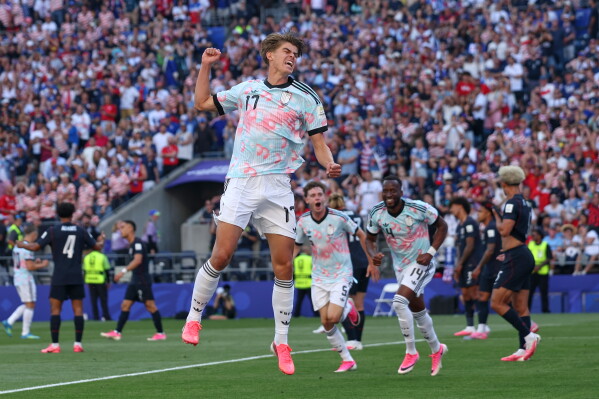
This year’s World Cup started with a record 48 teams but now only eight remain. Europe dominates with six teams, highlighting a longstanding trend in the tournament’s history. Since the first World Cup in 1930, champions have predominantly hailed from Europe and South America, with 12 and 10 titles respectively. The only other quarterfinal representatives this year are from South America and Africa.
Surprisingly, even seasoned European players did not expect such an outcome. Norway’s Erling Haaland expressed his astonishment after contributing two goals in Norway’s historic win over Brazil, earning them a quarterfinal spot for the first time.
The North American hosts—U.S., Mexico, and Canada—failed to progress beyond the round of 16. Despite their strong performances in the group stages and the round of 32, all three exited with defeats. The U.S. faced a heavy 4-1 loss to Belgium, while Mexico and Canada were defeated by England and Morocco, respectively.
U.S. star Christian Pulisic acknowledged the challenge of competing against top teams. He emphasized that the U.S. needs to surpass existing barriers.
French soccer legend Thierry Henry, who analyzed the matches, lamented the hosts’ early exits. The absence of CONCACAF teams in the quarterfinals highlights a challenge that North, Central America, and Caribbean teams have faced, with the last notable presence being Costa Rica in 2014.
Mexico has consistently reached the round of 16 but has struggled to advance further for nearly three decades. Erik Lira, a Mexican midfielder, reflected on their efforts that ultimately fell short.
A glimpse at past tournaments reveals a lack of diversity in quarterfinal representation. Only a handful of teams from outside Europe and South America have repeatedly made it. The 2002 World Cup saw rare diversity with five confederations represented in the quarterfinals, a rarity since.
African hopes rest with Morocco, the last remaining team from the continent this year. Many African teams had promising starts but were thwarted by late goals. Notable exits included Egypt and Senegal, both of whom relinquished 2-0 leads.
Egypt’s coach Hossam Hassan suggested biased officiating, suspecting efforts to keep high-profile players like Messi in the tournament. Yet Argentina proved resilient, marking their fifth advancement to the quarterfinals in six tournaments. Lionel Messi commented on the challenge of overturning a 2-0 deficit, praising his team’s perseverance.
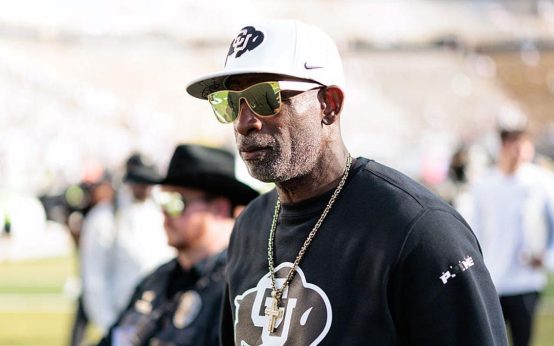 Deion Sanders Enforces Discipline After Colorado’s Defeat to Northwestern
 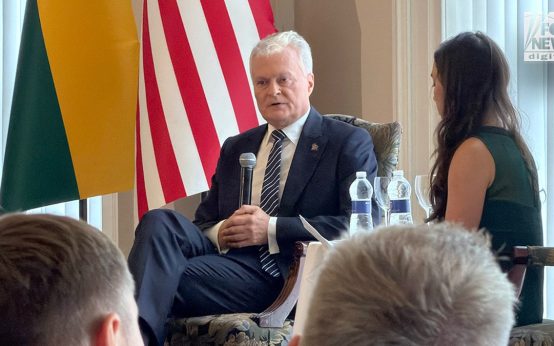 Lithuanian Leader Seeks U.S. Military Commitment Amid Rising Russian Threats
 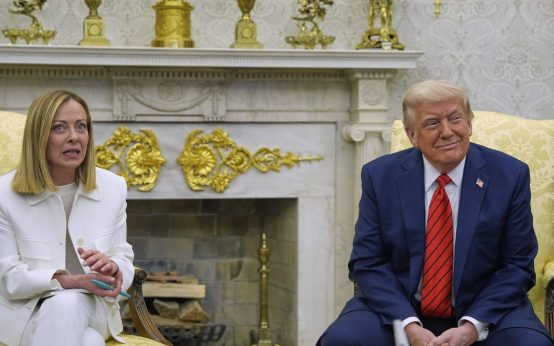 Italian PM Giorgia Meloni Skips UN General Assembly Amid Growing Tensions
  Steve Lotysz: From Medinah’s Gates to Presidents Cup Artistry
 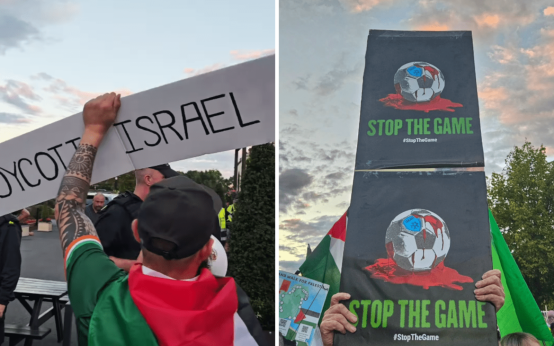 Calls Grow for Ireland’s Soccer Team to Boycott Matches Against Israel
  Is NHL Preseason Necessary?