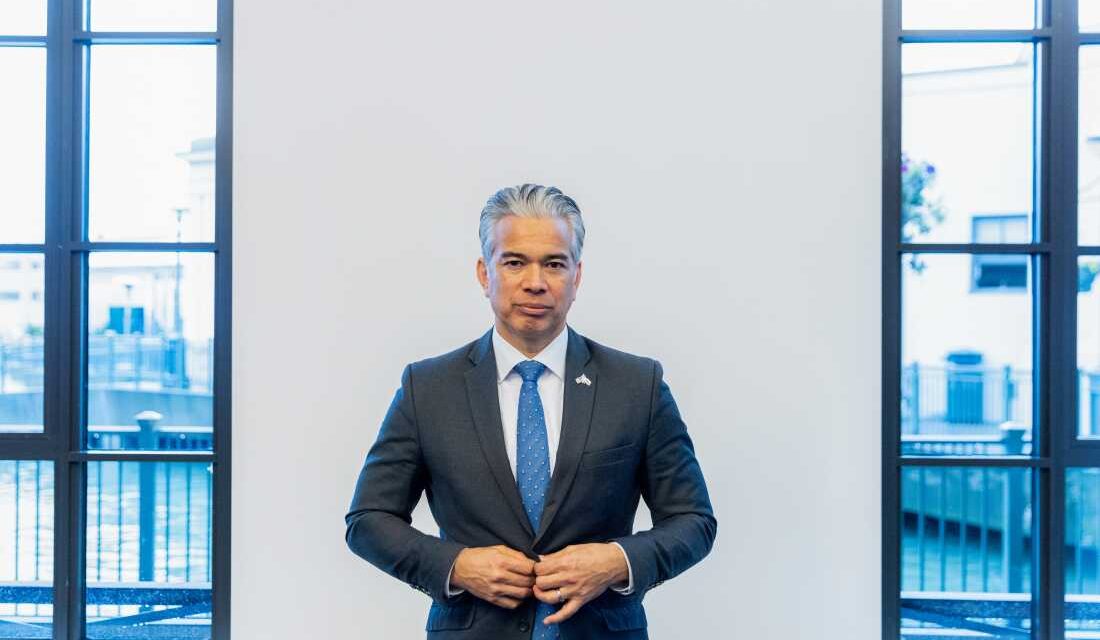
California Attorney General Rob Bonta is leading a coalition of attorneys general in a legal battle to prevent the merger of Paramount and Warner Bros. Discovery. This potential merger, valued at around $111 billion, is being challenged by twelve states, including Arizona, Colorado, Connecticut, Massachusetts, Minnesota, Nevada, New Jersey, New Mexico, New York, Oregon, and Washington.
Concerns Over Market Impact
Bonta argues that the union of these entertainment giants could result in higher costs, reduced quality, and less content for consumers. These changes would negatively hit movie theaters, cable distributors, and audiences nationwide. He emphasizes the need for free and fair markets, opposing rigged markets or monopolistic behavior.
Bonta stated, “With this lawsuit, California and our sister states are fighting for free and fair markets, not rigged markets. America has no kings in government or our economy.”
Paramount’s Financial Moves
Paramount plans to bring in sovereign wealth funds from Saudi Arabia, Qatar, and the United Arab Emirates as major investors without voting rights. Part of the financing involves taking on $80 billion in new debt, which could lead to substantial budget cuts within the merged company.
Warner has already slashed its own debt significantly but remains tens of billions in debt, making it vulnerable to Paramount’s bid.
Regulatory Challenges and Approval
While Paramount has obtained approval from the Justice Department and many international regulators, the Federal Communications Commission (FCC) has not yet given its nod. Paramount owns 28 local television stations, requiring FCC oversight for broadcast licenses.
Brendan Carr, a Trump appointee and FCC lead, has backed Paramount’s proposal. However, litigation from the states could introduce prolonged delays.
Paramount’s Strategic Opposition
Paramount insists that the rise of streaming services like Netflix, Amazon, and Apple has transformed the entertainment industry, diminishing traditional antitrust concerns. They point to Disney’s acquisition of Fox’s holdings in 2019 as another example of industry consolidation.
However, fears persist about the potential impact of this merger on competition, consumer choice, and the overall health of the industry.
Political and Economic Underpinnings
The merger has drawn attention due to Larry Ellison, Oracle’s co-founder, who backs Paramount’s acquisition. Ellison’s ties with former President Trump and his advisory role on artificial intelligence for the White House have sparked concerns about political influence.
Previously, Ellison gained control of TikTok’s U.S. operations under Trump’s administration, raising discussions about his expansive reach in technology and media.
Antitrust Division’s Role
Makan Delrahim, Paramount’s chief legal officer, formerly led the Justice Department’s antitrust division. During Trump’s first term, he attempted to block AT&T’s takeover of Time Warner. With Paramount, Delrahim now finds himself defending the merger that critics see as echoing past controversial deals.
As the legal battles unfold, the world watches how these massive transactions continue shaping technological and media landscapes.
 Protests Emerge Following ICE Shooting of Venezuelan Man in Austin
  NYC Mayor Mamdani and President Trump Discuss Media Access and Criticism
  Presley Gerber, son of Cindy Crawford, passes away at 27
  Piers Morgan Challenges Earl Spencer’s Claims in Upcoming Memoir
  White House Access Denied: Media Outlets Sue for First Amendment Rights
  Venezuelan Man Shot by ICE Agent in Austin Identified