Amid escalating tensions in the Middle East, the United States and Iran have both claimed control over the strategic Strait of Hormuz following a weekend of attacks. This development has further strained diplomatic efforts aimed at ending the ongoing conflict.
On Sunday, Iran launched an attack on a container ship in the Strait of Hormuz, a crucial passage for global oil and gas traffic. Iran has maintained control over the strait since the conflict began on February 28, initiated by the United States and Israel.
Iran asserts its right to manage traffic through the strait and potentially levy fees in line with a provisional peace agreement last month. The U.S. disputes this, referencing international law regarding nautical freedoms and has sought to establish an alternative route beyond Iranian jurisdiction.
As the U.S. and Iran near the halfway point of a 60-day negotiation period intended to secure a permanent war cessation and address Iran’s nuclear program, recent attacks have heightened fears of widespread hostilities and further global economic disruption.
A return to full-scale hostilities will have catastrophic consequences,warned U.N. Secretary-General António Guterres in a statement.
Economic Impact and Military Actions
Oil prices surged nearly 5% on Monday before retreating. The U.S. benchmark crude, which peaked at close to $120 per barrel earlier in the conflict, was trading around $72.92. Markets showed mixed reactions.
The U.S. Central Command confirmed strikes on several Iranian targets on Monday. These included air defense systems, radar sites, missile and drone equipment, and small vessels.
The Strait of Hormuz is a vital maritime corridor for global trade, stated the Central Command. “Iran does not control it,” they affirmed.
European Union’s chief diplomat, Kaja Kallas, also called for open navigation, emphasizing the importance of respecting such freedoms.
Regional Unrest
Iran’s Revolutionary Guard, a paramilitary group wielding significant power within Iran, dismissed the U.S claims.
The strait is our territory, they declared, vowing not to allow foreign military interference.
Allied Arab states reported renewed missile attacks. Sirens blared in Bahrain, which hosts the U.S. Navy’s 5th Fleet, and Kuwait noted intercepting hostile fire, with no damages reported.
Jordan reported downing four Iranian missiles with no casualties. Hostilities also continued in Iran’s Hormozgán, Khuzestan, and Markazi provinces, with at least two deaths reported by Iranian state news.
Unclaimed attacks targeted Iran while a base in Iraqi Kurdistan linked to a Kurdish opposition group faced drone strikes.
Conflict over the Strait
The U.S. conducted a significant operation targeting Iranian military infrastructure. In retaliation, Iran attacked regional nations housing U.S. troops, insisting on controlling the Strait and potentially taxing shipping traffic.
The confrontation spread to Bahrain, Kuwait, Qatar, Jordan, and even Oman. In response, Oman summoned an Iranian diplomat to criticize an attack, marking a notable engagement amid ongoing tensions.
The U.S. military implemented a support system for ships using a southern route near Oman’s coast, which Iran has attacked due to strategic rivalry over the key waterway. MarineTraffic.com reported minimal traffic along this route as operators prioritize security over direct transit.
Diplomatic Efforts and Challenges
Iran accused Washington of destabilizing the region and refused nuclear site visits by international energy authorities. Efforts by mediators from Pakistan, Qatar, and Egypt continue aiming for a ceasefire.
U.S. President Trump indicated last week that the temporary peace agreement might be over, but mediation efforts persist.
Iran’s new supreme leader, Ayatollah Mojtaba Khamenei, remains out of public sight. He promised retribution for the death of his predecessor, Ayatollah Ali Khamenei, killed in prior bombings.
Journalists Munir Ahmed in Islamabad and Stella Martany in Iraq relayed contributions to this report.
 Ontario Synagogue Shooting During Yom Kippur Leaves One Officer and Shooter Injured
  Pope Leo XIV’s Upcoming Visit to Latin America: An Overview
 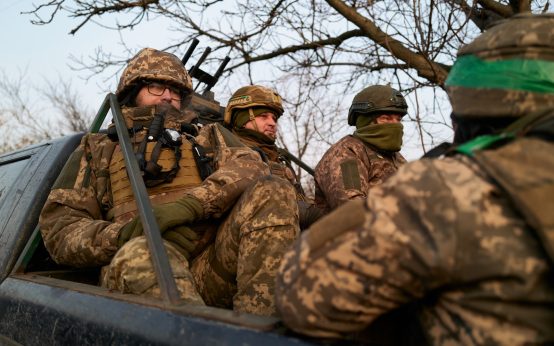 Ukraine Deploys Ground Robots in ‘Operation Vivaldi’
  Understanding AI’s Impact Compared to Historical Threats
 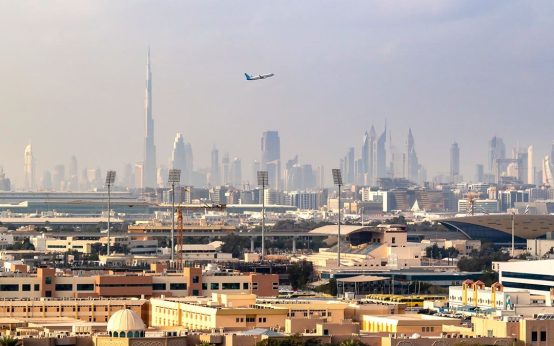 State Department Alerts on Middle East Travel Amid Rising Tensions
 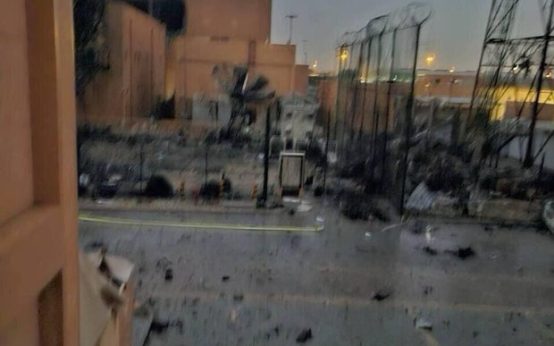 Iran’s Attacks on Bahrain: The Impact on Military Families