Recent reports indicate that traditional approaches to medical education may leave many clinicians unprepared in interpreting electrocardiograms (ECGs). A study found that healthcare providers correctly interpret ECGs only 56.4% of the time. In critical cardiac situations, error rates among both physicians and nonphysicians range from 25% to 30%. These issues often arise when clinicians rely on automated interpretations or textbook patterns without understanding the physiological factors influencing a patient’s rhythm.
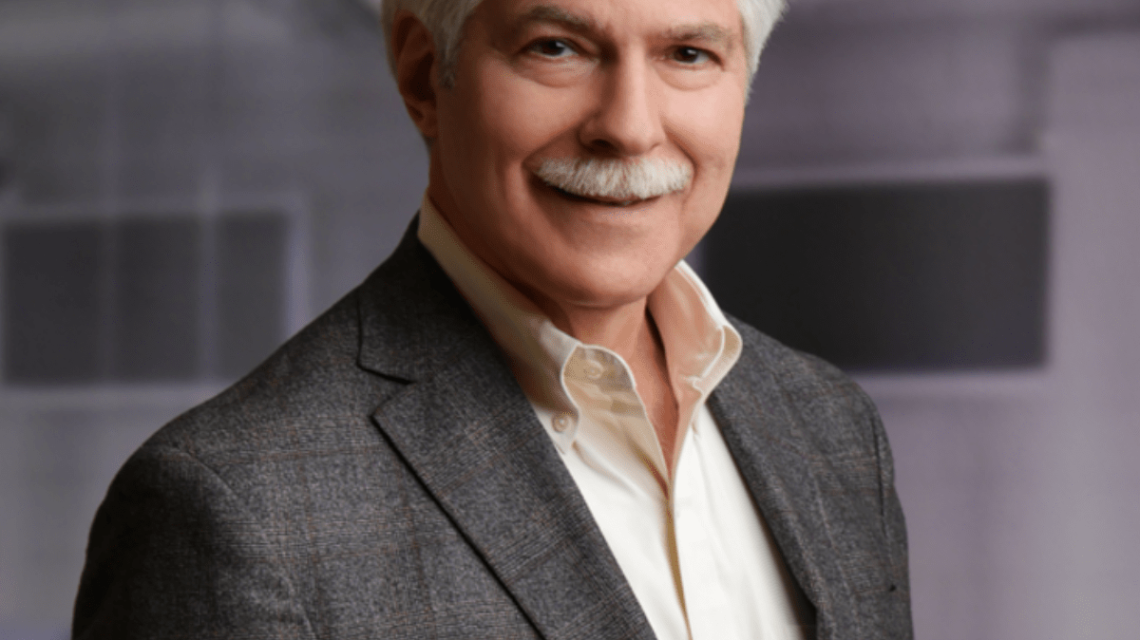
Dr. Nicholas Tullo has noted that ECG education needs to go beyond simple recognition. He argues that reliance on memory aids and pattern recognition can lead to unnecessary procedures, delays in diagnosis, and reduced confidence among clinicians. Tullo’s aim is to help professionals deepen their understanding of the physiological processes behind the ECG waveforms.
Tullo, the founder of ECG Academy, initially imagined a career in surgery but redirected his focus to cardiology and its electrical activity subfield. This change allowed him to engage deeply with the heart, an organ that has fascinated him since childhood. His background in music, as a guitarist and drummer, trained him to recognize subtle variations in rhythm and dynamics. He applies this skill to ECG interpretation, seeing parallels between musical compositions and cardiac rhythms.
Tullo identified a gap between classroom instruction and the clinical challenges faced by practitioners. He found that traditional ECG education often reduces interpretation to recognizing patterns without understanding the underlying physiology. This approach can result in unnecessary procedures and delays in patient care.
Many practitioners look mainly at surface patterns without fully understanding the physiology behind them. That gap sometimes leads to extra procedures, delays in diagnosis and a drop in confidence,Tullo says.
Determined to bridge this gap, Tullo began creating lessons focused on understanding the reasons behind ECG readings. He recorded these early lessons at home, refining explanations that resonated with clinicians. These recordings gained popularity and led to the creation of ECG Academy, an online educational platform dedicated to electrocardiography.
ECG Academy offers weekly coaching segments, advanced classes, and structured courses for continuing education. Its flexible format helps professionals learn amid busy clinical schedules, allowing them to revisit crucial concepts.
The program emphasizes three core principles: simplifying complexity, linking instruction to real clinical experiences, and teaching rhythm as a language for interpretation beyond memorization. Learners understand the physiological principles of waveforms, applying this knowledge through coaching, case-based exercises, and live sessions.
The goal is for clinicians to interpret ECGs more accurately, ensure appropriate escalations, and improve patient outcomes through quicker and safer decisions. Clinical practice and research are integral parts of the curriculum. Tullo’s efforts in patient care reveal diagnostic challenges, guiding the development of ECG Academy to reflect real-world medicine complexities.
As healthcare demands more diagnostic precision and efficient decision-making, Tullo’s work focuses on comprehensive understanding rather than memorization. By combining his scientific and musical background, Tullo seeks to change how clinicians interpret the heart’s electrical signals and respond confidently to them.
 Emerging Wellness Trends: Lymphatic Drainage and Ice Sculpting
  Increased Use of GLP-1 Medications Among Young Adults: Examining Trends and Concerns
  Lisa Fasone’s Journey Through Prolactinoma and New Parenthood
  Examining Testosterone Therapy for Menopausal Women
  Impact of ‘Food Divorce’ on Relationships
  Long-Term Health Impacts of the 9/11 Attacks