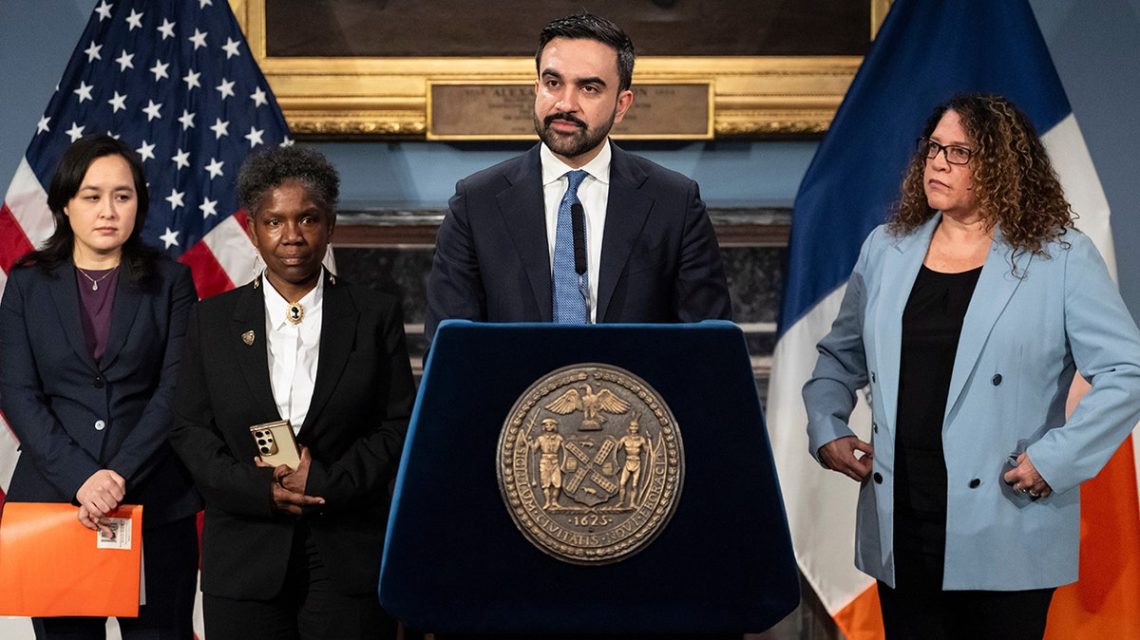
Democratic leaders claim to prioritize affordability, yet their track record raises questions. In January, Senate Minority Leader Chuck Schumer assured that if Democrats gained Senate control, reducing costs would become their primary concern. By February, the House New Democrat Coalition presented its ‘Affordability Agenda,’ aiming to tackle the rising cost of living.
However, during President Joe Biden’s tenure, inflation rose significantly. The Consumer Price Index exceeded 9% at its peak, marking the highest in over four decades, with the cost of living growing over 20%.
After winning New York City’s Democratic mayoral primary, Zohran Mamdani stated, “We have won because New Yorkers have stood up for a city they can afford.” Yet this overlooks decades of Democratic governance contributing to New York’s high cost of living.
Democratic-run areas in the U.S. tend to be the most expensive. High wages driven by pro-labor rules, regulatory barriers, and extensive public spending lead to increased taxes and living costs.
CNBC’s study ranks states by affordability as part of evaluating business-friendly environments. It finds nine out of ten of the priciest states have Democratic leadership. They are California, Colorado, Hawaii, Oregon, New York, Rhode Island, Connecticut, Washington, Illinois—all contributing to higher than average living expenses. In contrast, Republican-led states generally offer more affordable living.
While geographical factors partly explain Hawaii’s high costs, Democratic policies play a crucial role. Florida, under GOP governance, appears due to recent demand and natural disasters affecting housing and insurance, causing cost increases.
California remains the costliest. Its housing costs surpass other states, with residents spending over 30% of income on housing. RAND researchers report that building affordable housing in California costs significantly more than in states like Texas.
California’s lengthy permitting processes and regulatory landscapes lead to increased building costs and delays. These hurdles add a significant ‘time tax’ on housing development, impacting affordability negatively.
CNBC rates California poorly for both cost of living and business climate. Energy expenses and gasoline prices remain well above the national averages in the state.
Policies direct energy prices, as seen with California’s tax on gasoline aimed at promoting electric vehicle use instead of fossil fuels. Policy choices, not geography alone, affect these costs, evidenced by the stark contrast between Democratic and Republican-governed states.
- Minimum wage laws and pro-union rules impact employment negatively.
- Despite higher wages, unemployment in California exceeds the national average.
- High costs deter businesses, reducing job opportunities.
States with lower living costs like Missouri, Ohio, and Indiana often have Republican governance, linking affordability to less regulatory interference and lower taxes.
Quoting Daniel Patrick Moynihan, “Everyone is entitled to his own opinion, but not to his own facts,” reinforces the importance of examining the actual impact of policies on affordability. Pay attention to governance and outcomes when affordability claims arise.
Writer Liz Peek is a Fox News contributor and commentator experienced in Wall Street and fiscal analysis.
 Trump Announces New Federal ‘Super Intelligence Force’
  Analysts Predict Democratic Gains in Upcoming Midterm Elections
  A New Chapter for Britain’s Economy: Analyzing Andy Burnham’s Promises
 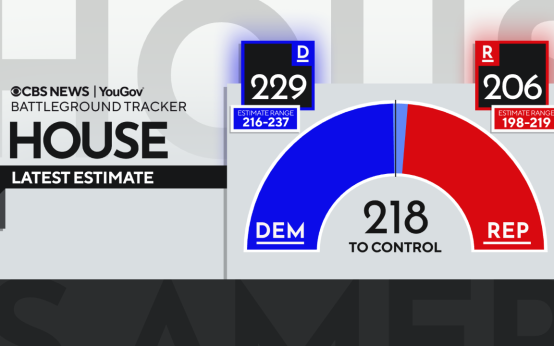 Key Insights from CBS News House Model Estimate on Midterms
  Trump’s Influence on Executive Power
 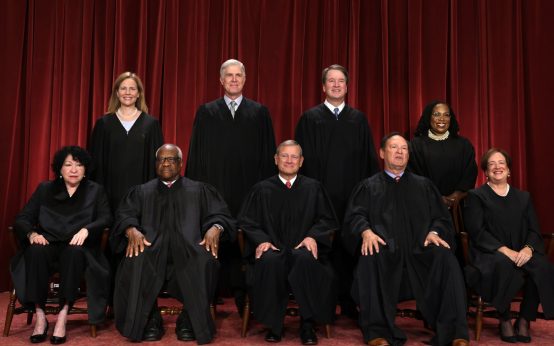 High Stakes as U.S. Supreme Court Tackles Key Cases