Over the past four and a half years, Russia has shown its ability to withstand Western isolation while actively engaging in Ukraine. The U.S. aims to present a potential future without conflict, even as Russian forces continue operations in Ukraine. This dual strategy involves both sanctions and potential cooperation talks.
Diplomacy and Discussions
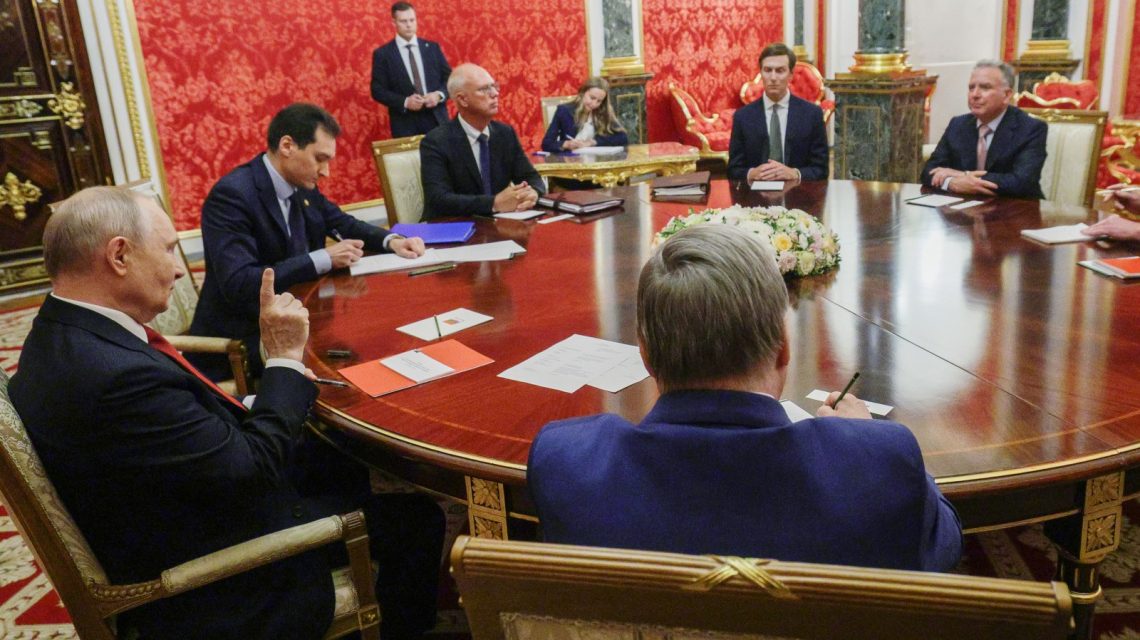
Kremlin’s envoy Kirill Dmitriev visited Washington recently. He discussed potential resolutions to the Ukraine conflict and future economic collaborations between the U.S. and Russia. Talks involved representatives from the U.S. Treasury and Energy departments, touching on possible energy deals after a ceasefire.
This visit is part of broader diplomatic outreach. Previously, high-profile Americans visited Moscow, engaging in conversations with Putin. Despite these dialogues, Ukraine remains wary, especially given the massive human and economic cost it has endured due to ongoing Russian aggression.
Western Pressure and Sanctions
The U.S. continues tightening sanctions against Russia. New legislation has increased restrictions on Russian officials and sectors, including prohibiting new investments in Russia. This strategy complements NATO’s commitment to military aid for Ukraine, totaling over $10 billion in support.
European allies have also imposed sanctions, targeting various Russian assets and networks. While Russia has so far managed the impact, these measures strain its economy, as evidenced by an increasing budget deficit and reduced oil revenue forecasts.
Russia’s Economic Strain
Sanctions are severely impacting Russia’s economic projections. The country’s budget deficit is now expected to reach 3.2% of GDP, and oil revenue forecasts have been adjusted downward. The Bank of Russia has kept interest rates high to combat inflation.
President Putin acknowledged the difficulties arising from sanctions, indicating challenges in maintaining oil exports. Still, Russia is allocating substantial funds to defense, reflecting a commitment to military spending amid economic constraints.
Future Implications
Russia’s extensive commitment to defense funding indicates a focus on long-term capabilities despite economic strain. This move signals to Kyiv the importance of persistent pressure and support from Western allies. The Kremlin’s economic policies point toward increased borrowing and taxation, impacting various sectors.
Despite external partnerships, Russia cannot fully replace the benefits previously provided by Western capital and markets. Continued economic strain might influence Russian policies. However, the West maintains a strategic approach, balancing sanctions with the notion of a possible future entente.
 U.S. Marine Arrested in Japan Over Robbery and Murder
  Mystery of Lynette Hooker’s Disappearance in Bahamas
  Tensions Rise Between U.S. and South Africa Over Diplomatic Disputes
  Ukraine’s Challenges and Innovations Amidst Winter Warfare
  Musician Zach Bryan Wears ‘Free Palestine’ Shirt at Gillette Stadium Concert
  Celebrity Comments Spark Controversy and Career Consequences