J.D. Salinger’s Iconic Novel Reaches a Milestone
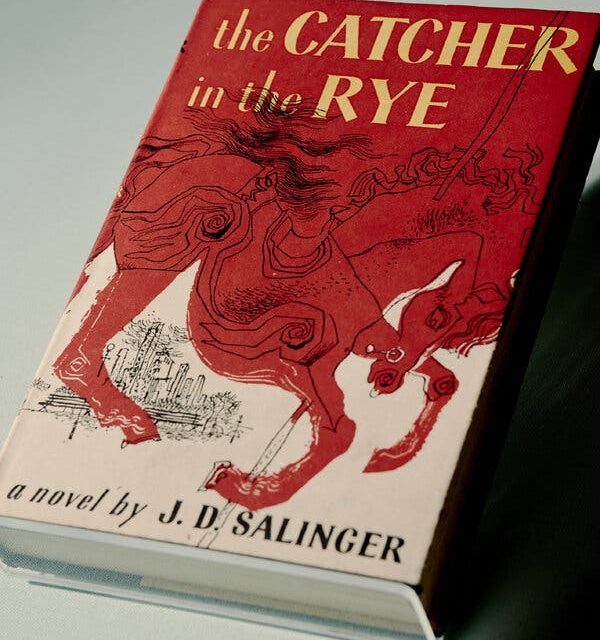
J.D. Salinger’s seminal work, ‘The Catcher in the Rye’, is celebrating 75 years since its publication. Despite its age, the novel remains a prominent fixture in American literature, with Holden Caulfield, its unforgettable protagonist, capturing the essence of adolescence. With 80 million copies sold across the globe, it has firmly established itself as a classic.
The Impact of Holden Caulfield
Holden Caulfield stands as a symbol of innocence entwined with wisdom. His critique of societal phoniness resonates deeply with readers, reflecting an enduring call for authenticity that transcends generations. This theme parallels modern social media’s emphasis on genuine expression.
Unwavering Popularity and Influence
‘The Catcher in the Rye’ hasn’t been without its controversies. The novel’s candid portrayal of the darker sides of adolescence, including vulgarity and rebellion, has sparked debate among parents and educators. Its slang-laden dialogue challenges translation, yet its appeal persists, ensuring it remains a staple in literature classes and personal collections worldwide.
A Unique Position in Literature
While other novels might find adaptation into films, ‘Catcher’ remains exclusively a literary treasure. Despite attempts by directors like Billy Wilder and Steven Spielberg to acquire film rights, the novel stays unadapted, contributing to its mystique and allure.
As ‘The Catcher in the Rye’ turns 75, it stands as a testament to J.D. Salinger’s literary prowess, illustrating themes that remain relevant today. Its sales figures and continued global presence highlight its lasting impact on readers and the arts, from theater to music.
 Discover Five Simple Art Projects to Try at Home
  Chicagohenge: When Sunlight Aligns with City Streets
  Navy Veteran Generald Wilson Reflects on Emotional National Anthem Performance
  Lucas Museum of Narrative Art: A New Cultural Landmark
  Northlight Theatre’s ‘The Front Page’: A Satirical Nod to Chicago’s Journalistic Past
  The Value of Unsupervised Play in Child Development