
Researchers have discovered sugar molecules in outer space. This unexpected find occurred deep within our galaxy, shedding light on the complex chemistry beyond Earth. The presence of sugar molecules in space enhances our understanding of the potential for life elsewhere in the universe. Scientists believe this discovery could have implications for the study of prebiotic chemistry and the origins of life.
The detection of sugar in space suggests that the building blocks for life might be more widespread across the universe than previously thought. By analyzing spectral data captured by telescopes, researchers identified glycolaldehyde, a simple sugar molecule, within a region known for star formation. This finding was unexpected and adds to the growing body of evidence that suggests life’s essential components might form spontaneously under certain conditions.
Further research aims to understand how these molecules form and survive in the harsh environments of space. The discovery opens new avenues for studying how complex organic molecules can arise in celestial bodies and their potential role in the development of life on planets.
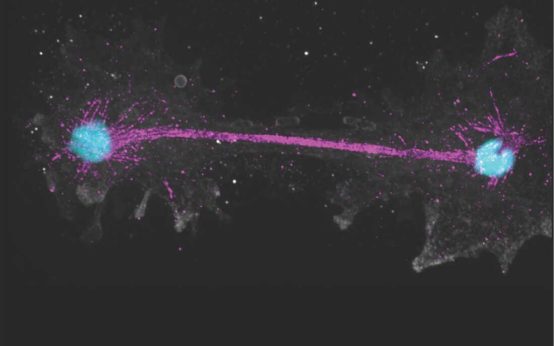 The Discovery of Incendiamoeba cascadensis: A Fire Amoeba
  Archaeological Discovery in Germany: Largest Hoard of Roman Coins Found
  Hurricane Formation and Strengthening
 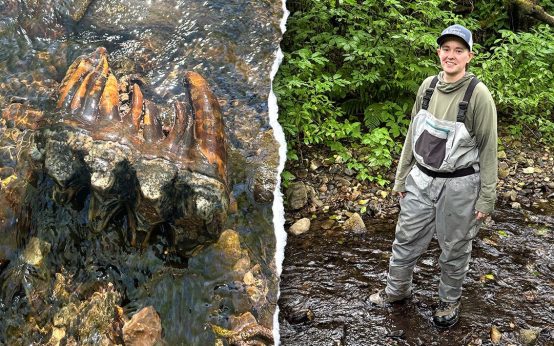 Ancient Mastodon Tooth Unearthed in California Creek
 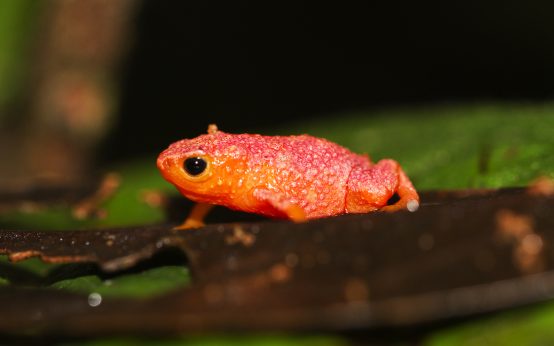 The Tiny World of the Pumpkin Toadlet
  Chimps and Self-Medication: Insights from Gombe Stream