
Maine’s political landscape is rapidly shifting as Democratic candidates rush to fill the void left by Graham Platner, who exited the Senate race amid allegations he denied. The race has become a race against time, with candidates focusing on delegates rather than the general electorate.
In an unusual turn, candidates are prioritizing delegate appeal over traditional campaign strategies like television advertising. The decision reflects the short timeframe before the convention on July 25 in Bangor, where 601 delegates will decide the nominee. This accelerated campaign pace highlights the importance of quick adaptation and strategic planning.
One of the key figures in this race is Troy Jackson, a former state lawmaker and logger. Jackson’s campaign is gaining attention as he navigates the political arena and responds to current events. Recently, he addressed the shooting of a young Colombian by a federal agent in Biddeford, aiming to channel Democratic discontent.
During a campaign shoot, Eric LeBrun, Jackson’s videographer, emphasized the need for a concise message, saying, “This is the big time now.” Such efforts underscore the high stakes for the Democratic contenders.
On the streets, protestors in downtown Portland marched towards Senator Susan Collins’ office. This movement symbolizes the Democrats’ drive to unseat the long-standing Republican. The urgency of the campaign stems not only from recent events but also from the broader political context in Maine.
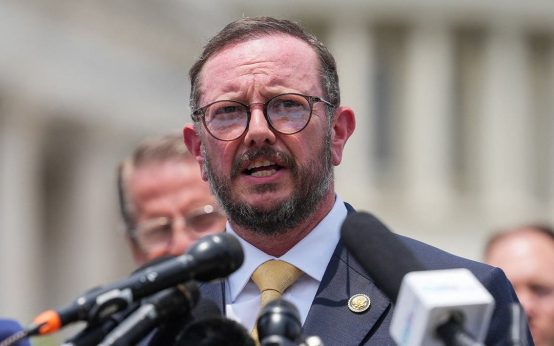 Missouri Rep. Eric Burlison Criticizes Washington’s Spending Habits
  Republican Lawmaker Opposes Funding for Trump’s Arch Near Arlington
  House Bill Aims to Enhance Benefits for Combat-Injured Veterans
  Debate Over Transgender Athletes Shapes Political Strategies
 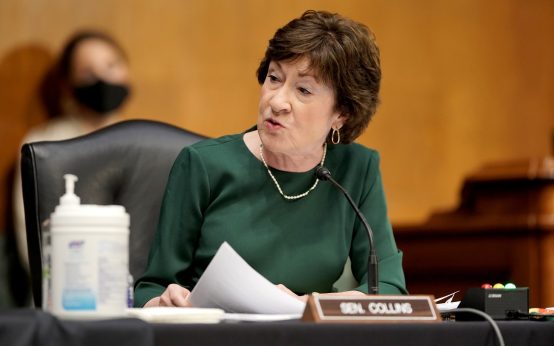 Collins Battles Trump Administration on NIH Grant Control
 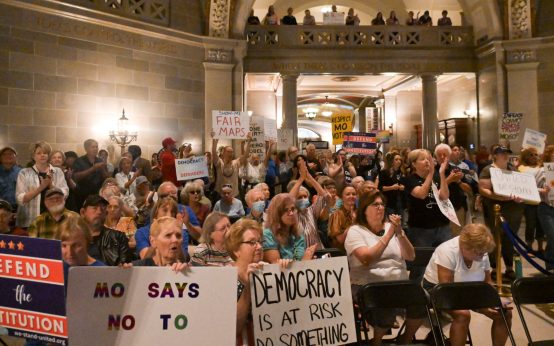 U.S. Appeals Court Supports New Missouri Congressional Map