
Amy Klobuchar has been elected as the governor of Minnesota, marking the beginning of a challenging journey in governance. Her campaign promises included a state government audit, no new taxes, reduced bureaucracy, and a focus on growth. These pledges sometimes echoed Republican ideals, which is seen as positive for Minnesota’s economic landscape.
Governor Tim Walz made similar promises but failed to deliver, as noted by observers. Minnesotans must ensure Klobuchar honors her commitments. Her first task will involve the ability to assertively deny certain proposals. She will assume office with a DFL trifecta and a Legislature driven by the party’s progressive ideologies, requiring her to govern with all Minnesotans in mind.
Klobuchar must be ready to veto legislation that does not align with her promises, such as wealth taxes or new forms of taxation, including a fifth-tier income tax. Additionally, she should resist regulations that hamper hiring, investment, and operations. Redrawing political maps mid-decade for party gains should also be avoided. Standing up to left-leaning figures like Keith Ellison and Matt Little will be essential.
While distancing from radical elements is crucial, Klobuchar needs a concrete economic agenda. Critics of Walz’s tenure highlight Minnesota’s poor economic growth, with the state ranking low in per-capita GDP and wage growth. From 2019 to 2025, the annual growth was merely 0.4%, plummeting to 0.1% in recent years. These statistics indicate the need for significant economic recovery.
Klobuchar has pledged regulatory reform, aiming to simplify permitting processes. Achieving this involves setting clear deadlines, removing redundant reviews, and ensuring agency accountability. This approach will support development in sectors like housing and manufacturing. Revamping the Paid Family and Medical Leave program is another priority, as the current system’s complexities are burdensome to employers.
Tax policy reforms are vital. Minnesota’s 9.85% top individual income tax rate and 9.8% corporate rate hinder competitiveness. Meaningful tax relief should attract investments, enhance job quality, and support entrepreneurship. Transforming the culture of state governance is equally important; businesses often perceive state agencies as hindrances rather than facilitators of economic activity.
Agencies should not only enforce regulations but also assist in fostering business investment and job creation. This shift requires leadership from the top. Republicans also have a role, needing to present a coherent alternative rather than merely opposing DFL proposals. Key areas include tax priorities, regulatory reforms, workforce development, education, healthcare affordability, and public safety improvements.
The business community should set high expectations for Klobuchar. Following Walz, business leaders must press for policies fostering economic growth. Klobuchar’s leadership is pivotal. Her campaign suggests awareness of necessary changes. The question now is whether she will exercise the political courage to enact these changes for Minnesota’s benefit.
Minnesota requires more than a continuation of past governance; it needs a governor committed to substantial change and fulfilling the promises made to its people.
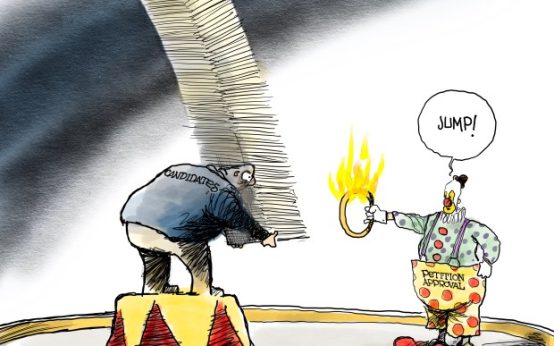 The Purpose and Challenges of Signature Collection for Political Candidates in Illinois
 Gray Wolves Stir Controversy Over Wildlife Management
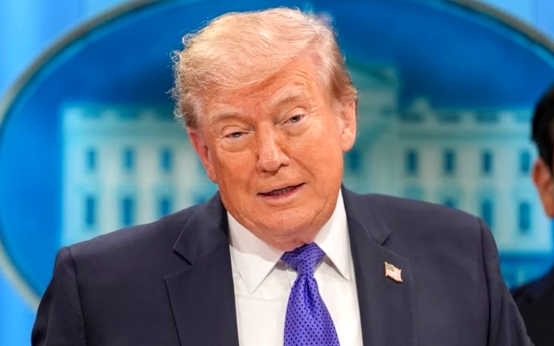 Trump’s Push for Bipartisanship with Democrats
 Highlights from Recent News Stories
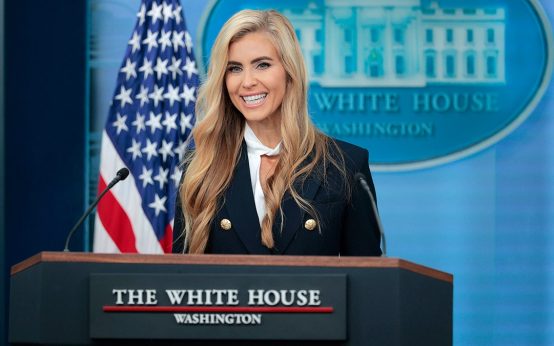 Former Press Secretary Criticizes GOP’s Election Strategies
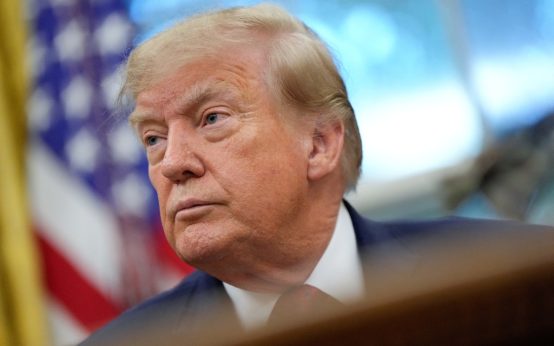 Trump and Cornyn Clash Over Judicial Nomination