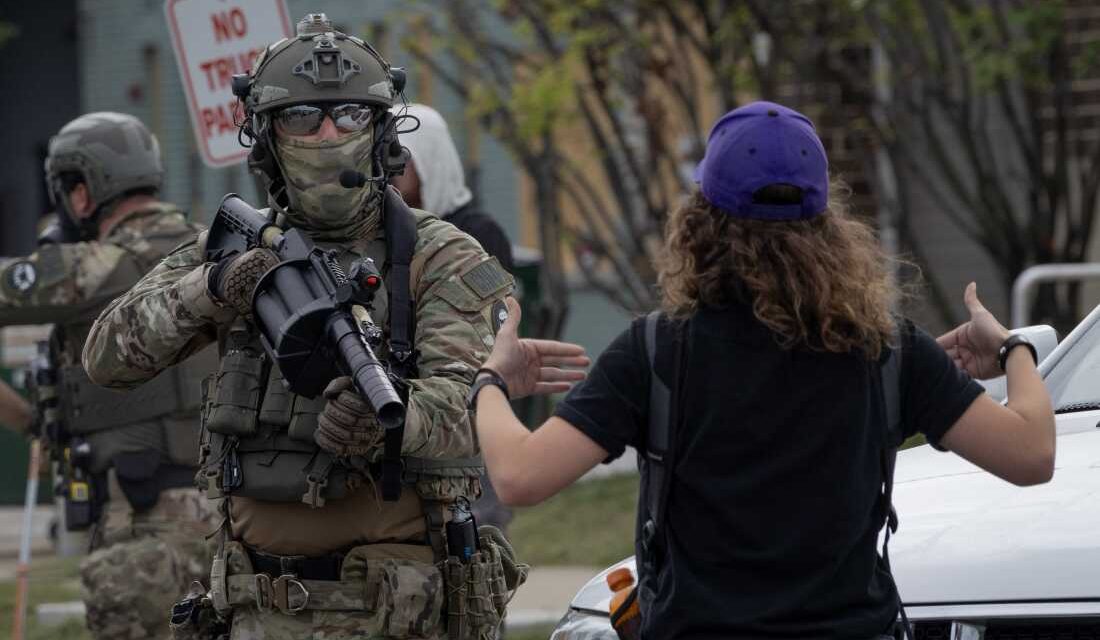
Federal law enforcement faced demonstrators protesting outside an immigration processing center on September 19, 2025, in Broadview, Illinois. The protest responded to increased ICE activity in the Chicago area, part of Operation Midway Blitz by the Trump administration to crack down on undocumented immigrants. Recent killings by ICE officers in Texas and Maine fueled the unrest. A new report by the American Civil Liberties Union (ACLU) highlights significant use of force by ICE across over 1,200 operations in eight states since January 2025.
The ACLU’s findings reveal that forceful immigration encounters are common, matching concerns voiced by immigrant advocates. Nearly a third of examined incidents involved the use or threat of force. Naureen Shah from the ACLU emphasizes that using force has become the norm for enforcement agents. The report collected accounts from news, community groups, and more to understand the events and approach.
Law professor Seth Stoughton criticizes the lack of transparency from the Department of Homeland Security, arguing that information should originate from the government itself for true accountability.
Manifestation of Force by Immigration Officers
Documented uses of force include pushing, tackling, and pinning individuals, noted more than 400 times. Weapons such as chemical irritants, rubber bullets, and tasers were frequently used. Officers also employed tactics like neck pressing and chokeholds, restricted or banned by many local police agencies. Despite the report’s findings, ICE and DHS offered no response.
The ACLU documented numerous incidents occurring in public spaces like bus stops and grocery stores, affecting children, citizens, journalists, and bystanders.
The ACLU report itself only presents a snapshot across selected states during a specific period. Many operations remain undocumented. However, the report suggests that increased federal funding may result in more violent encounters.
Jillian Snider, a retired New York City police officer, notes that ICE’s shift from targeted operations to more frequent community presence raises concerns. Non-targeted and aggressive stops can lead to unnecessary confrontations, as illustrated by recent shootings where victims were not the subject of operations. Critics argue ICE officers lack sufficient training for such tactics, a sentiment echoed by experts in policing.
Issues with Traffic Stops
Recent fatalities in traffic stops highlight concerns. In Texas and Maine, ICE actions led to the deaths of individuals during non-targeted stops where officers lacked body cameras. In one Texas incident, ICE claimed the deceased weaponized a vehicle, yet witnesses dispute this.
The report describes officers conducting unsafe maneuvers like boxing vehicles and breaking windows too quickly. Stoughton stresses the need for proper supervision to address and correct such behavior. Recent incidents in Florida added to the controversy, with another death resulting from an ICE stop.
Experts such as Marc Brown, who trains law enforcement, point out that ICE officers may not fully grasp traffic stop dynamics. Detailed training is essential for safe and effective operations. Brown notes that past training programs for ICE were insufficient for current mission demands.
Following recent tragedies, ICE announced a pause on non-urgent traffic stops. However, how this will be implemented remains vague. Despite calls for continued action, Public statements and reports call for ICE to reassess its approach for both officer and public safety.
 Venezuelan Leadership at the United Nations
 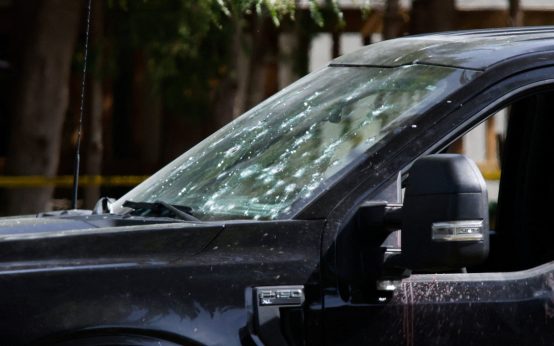 Ontario Synagogue Shooting During Yom Kippur Leaves One Officer and Shooter Injured
  Pope Leo XIV’s Upcoming Visit to Latin America: An Overview
 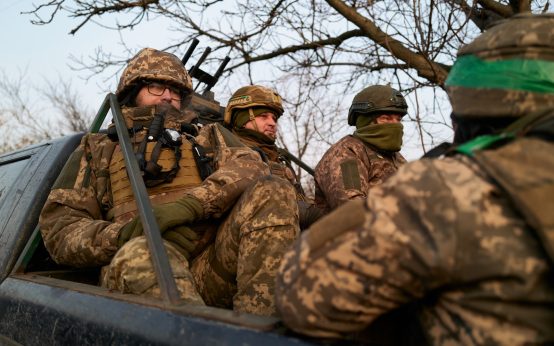 Ukraine Deploys Ground Robots in ‘Operation Vivaldi’
  Understanding AI’s Impact Compared to Historical Threats
  State Department Alerts on Middle East Travel Amid Rising Tensions