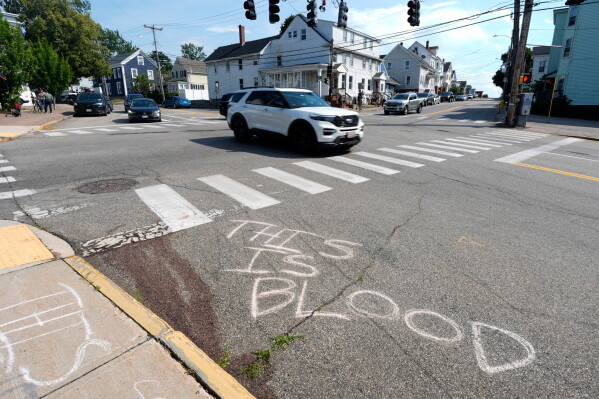
An Immigration and Customs Enforcement (ICE) officer involved in the fatal shooting of a Colombian man in Maine has been identified as David Brouillette, a 37-year-old Army veteran. Family members reveal that Brouillette has a history of serious mental health issues that began in early childhood. They argue he should never have been granted the authority to patrol with a badge and gun.
Allegations of Violence and Mental Health Struggles
According to Brouillette’s relatives, he has exhibited violent behavior, sometimes targeting women in his life. The Associated Press received a voicemail from last winter in which Brouillette suggested someone should slit a woman’s throat. These revelations bring into question the Department of Homeland Security’s vetting process during its efforts to expand under President Trump’s immigration crackdown.
The shooting in question occurred on July 13, 2026, resulting in the death of Johan Sebastián Durán Guerrero, a 25-year-old Colombian national, in his car near Biddeford, Maine. ICE reports that the vehicle had attempted to flee, and Brouillette reportedly shot in response. Brouillette did not provide comments when contacted, but three relatives, including an ex-wife and daughter, stated he claimed to act in self-defense.
A Troubled Background
Brouillette’s history includes accusations of violence from several women in his life. His first ex-wife, Ashley Brouillette, described incidents where he was physically violent during their short marriage. She recounted an event where he threw boiling water at her while she held their child, allegations that were corroborated by her mother.
Family court records reveal persistent allegations of abuse from Brouillette’s second ex-wife and daughter, including stalking and harassment claims. His daughter, Madison Brouillette, shared experiences of his volatility, such as a time when Brouillette sat with a gun, contemplating suicide.
Early Life and Military Experience
Brouillette grew up aspiring to join the military and law enforcement. However, his early mental health diagnoses made him ineligible initially. Recruiters advised him to go off his medication, which allowed him to enlist eventually. He served various roles in the Maine Army National Guard before joining the regular Army as a sergeant. His deployment in Afghanistan, relatives claim, exacerbated his emotional challenges.
Post-Military Life and Challenges
Following his military discharge, Brouillette worked in several jobs related to law enforcement and public service. Court records show he held positions with the Maine Correctional Center and the Health and Human Services Department, but none for an extended period. In 2019, he was listed as a police officer at a Department of Veterans Affairs medical center.
By 2021, struggling financially, Brouillette took on roles such as food delivery. He also pursued a career in firefighting, but a training accident led to a head injury, halting his progress. More recently, he passed an exam to become a real estate sales agent before joining ICE.
Complex Personal Life
Brouillette’s personal life includes a history of estranged relationships with family members who feared potential harm. His diagnosis of severe bipolar disorder and attention deficit disorder in childhood and multiple suicide attempts highlight his longstanding difficulties. As of late, he has been collecting disability pay through the Veterans Affairs department.
Despite these challenges, Brouillette maintains he acted justly in the shooting that brought him into the spotlight. This incident raises questions about the adequacy of vetting processes for sensitive law enforcement positions.
 Texas Man Charged with Capital Murder in Shooting of 5-Year-Old
  Far-Left Groups Allegedly Organize Protests in Austin
  Austin Police Release Footage of Arrest After ICE-Involved Shooting
  Himalayan Pilgrimage: A Couple’s Narrow Escape and Lingering Questions
  Religious Trends: Decline in Affiliation with LDS Church
  UC Berkeley Student’s Harrowing Encounter Raises Questions About Safety and Legal Protections