The Republic of Ireland and Israel face off again on Sunday in a UEFA Nations League match. This encounter follows a previous game that became a focal point for political tensions amidst the ongoing Gaza conflict.
First Match Overview
Last Sunday, Ireland secured a 3-0 victory over Israel in Hungary. The match attracted international scrutiny as political issues interplayed with sports. Some Irish politicians and activists called for a boycott, while pregame protests by Irish players emphasized the political backdrop.
The return match was moved to Serbia, with Ireland acting as the home team. The Football Association of Ireland (FAI) decided not to host the game in Ireland due to security and operational concerns. Israel has been conducting international matches outside its borders, mostly in Hungary, given the ongoing conflict.
Background of the Controversy
The tension linked to Ireland’s games against Israel predated the Nations League fixtures. The conflict began when Hamas attacked Israel on October 7, 2023, which has since led to widespread controversy throughout Europe. Ireland has been vocal in criticizing Israel’s actions in Gaza.
This conflict has increasingly spilled into sports, igniting debates over athlete activism and public protests. The situation intensified as the FAI came under pressure once the two nations were drawn in the same Nations League group.
Political and Social Reactions
Over 160 Irish sports figures signed an open letter urging Ireland to forgo the games, while protests were staged under the campaign “Stop the Game.” Ireland’s goalkeeper, Gavin Bazunu, withdrew from the matches, citing moral opposition to participating under these circumstances.
Despite this, FAI chief executive David Courell confirmed that most players had opted to proceed with the matches after thorough internal discussions. The Irish government has also voiced strong criticism of Israel’s actions in Gaza, and the FAI previously requested UEFA suspend Israel’s participation in European competitions.
First Match Tensions and Fallout
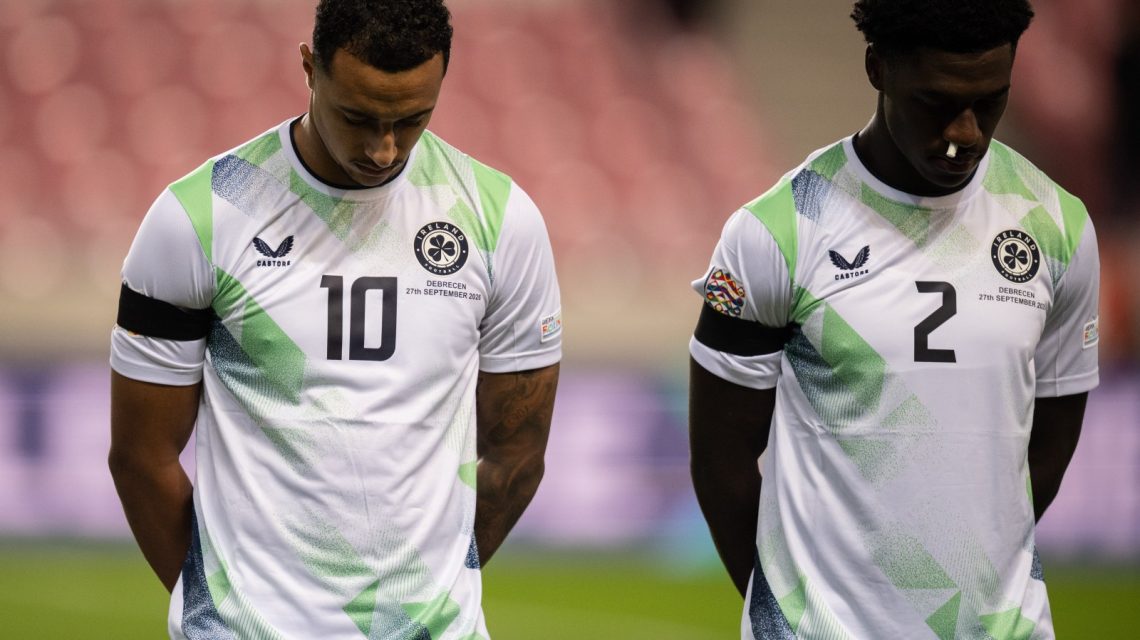
Before the first match commenced in Debrecen, Hungary, the tension was palpable. The Irish team protested silently during Israel’s national anthem and wore black armbands. They also opted out of the customary pre-match handshake.
The game concluded with a 3-0 win for Ireland, but the focus shifted quickly from sports to ongoing geopolitical discord. Comments from Israel’s Manor Solomon claiming, “Obviously they hate us, and we don’t like them,” received considerable media attention.
The FAI raised concerns about alleged racist abuse directed at Irish forward Adam Idah during the match. The pre-match protests captured wide coverage, further amplifying the controversy and calls for a match boycott.
Coach’s Perspective and Future Considerations
Irish coach Hallgrímsson acknowledged the strain the conflict exerted on his team during this intense period. Even after Ireland’s 2-2 draw with Austria, the coach noted the emotional toll the Israel games have taken on players.
At a pre-match press conference in Serbia, tensions re-emerged when Israeli journalists questioned Ireland’s conduct, leading to a premature conclusion of the event. Hallgrímsson highlighted the need for UEFA to reflect on scheduling such matches due to the substantial pressure they impose on players.
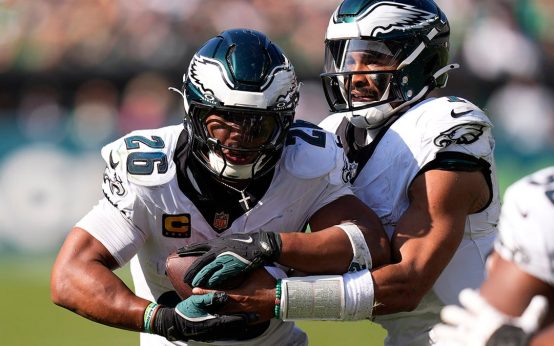 Saquon Barkley Suffers Hamstring Injury Against Rams
  Details of a Moose Street Brawl in Colorado
 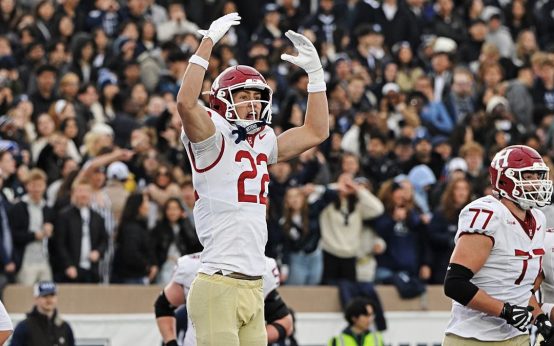 Harvard Crimson’s Stunning Victory Against Colgate Raiders
 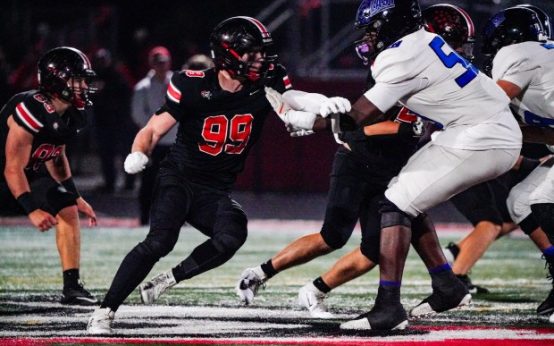 Justin Langford’s Decision and Resilience on the Field
  Washington Commanders’ Quarterback Woes Deepen with Mariota’s Injury
  Riley Green’s Successful Elk Hunt in Utah Mountains