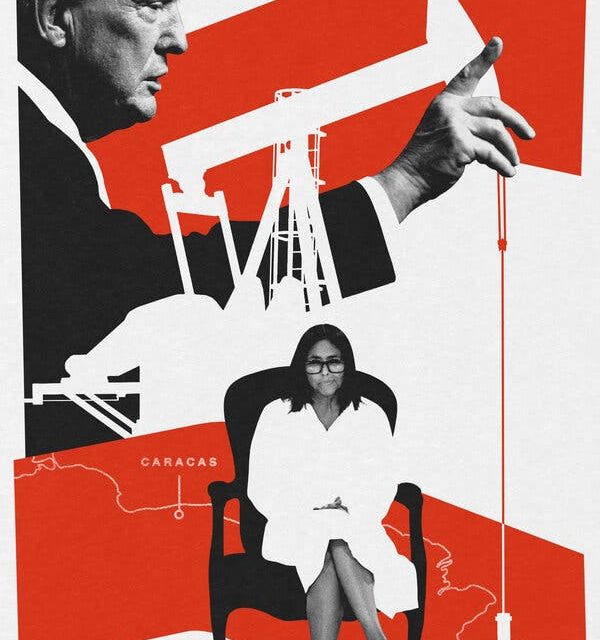
Since the capture of Venezuelan President Nicolás Maduro by U.S. Special Forces in January, a significant number of American officials and oil executives have frequented Caracas. They are there to manage the nation, mirroring what colonial administrators and business figures have historically done. Recent reports indicate that Secretary of State Marco Rubio is effectively guiding acting President Delcy Rodríguez. Communication occurs through text messages, where he dictates government access to oil revenues and influences staffing decisions, instructing on whom to hire and whom to dismiss. Under Rubio’s guidance, Rodríguez has opened the Venezuelan industry to U.S. corporations. According to Trump’s administration, democratic elections will only occur after the stabilization of Venezuela’s energy sector and economic recovery.
This unusual dynamic has led commentators to use terminologies like ‘puppet regime,’ ‘colony,’ or ‘protectorate.’ Economist Carlos Mendoza Potellá, a former advisor to Venezuela’s central bank, suggests a loss of national sovereignty in the country. He stated, ‘We are not a nation anymore; we are a territory with delegate administrators executing foreign decisions.’ He attributes this to ‘Emperor Trump’ and his ‘proconsul Marco Rubio.’
Venezuela’s situation remains undefined despite having its government, territory, population, and international relations, which meet the 1933 Montevideo Convention’s statehood criteria. There’s no U.S. military occupation, although American troops assist in earthquake recovery. However, the government led by Rodríguez is not truly independent. Javier Corrales, a political scientist from Amherst College, observes that Venezuela has relinquished significant economic control to the U.S.
The U.S. involvement in Venezuela may illustrate modern imperial strategies, where overt occupations are often seen as unnecessary and costly. Tom Long, an international relations professor at the University of Warwick, notes that costs of occupation have become prohibitive, as seen in Iraq and Afghanistan. Dominant nations now leverage power over smaller states without formal claims.
Traditionally, state sovereignty was considered indivisible; now, it resembles ‘a bundle of rights,’ according to Long. Sovereignty can now be divided, delegated, acquired, or influenced. Smaller nations sometimes outsource governance elements to larger powers. Examples include a British firm managing customs in Angola and Mozambique and Australia controlling policing in the Solomon Islands. Some nations request U.N. or I.M.F. assistance for security, finance, or elections when internal management fails. China’s Belt and Road Initiative, too, exerts influence. European countries have given sovereignty aspects to the European Union.
 Ontario Synagogue Shooting During Yom Kippur Leaves One Officer and Shooter Injured
 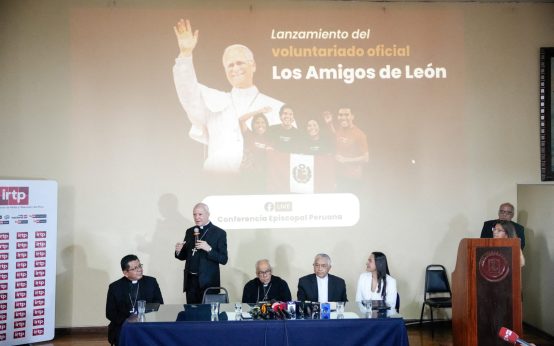 Pope Leo XIV’s Upcoming Visit to Latin America: An Overview
 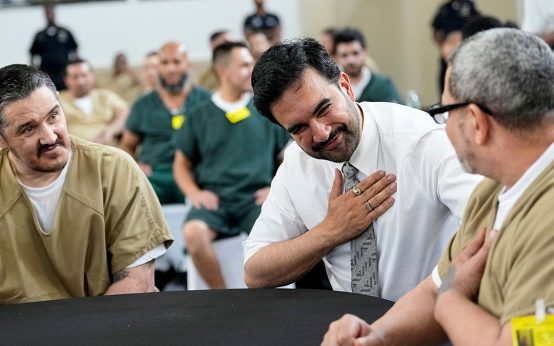 Zohran Mamdani Faces Backlash at Staten Island Event
 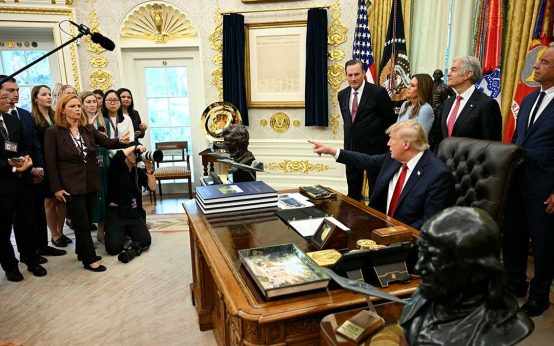 Legal Battle Over Media Ban at White House
  Governor Pritzker Addresses Hasan Piker Controversy
  Trump and NYC Mayor Mamdani: Political Divides and Collaborative Efforts