
A tragic consequence follows the cessation of financial support from the U.S. Agency for International Development (USAID). Abdullahi Ibrahim of Nigeria, aged 10, Purity Wamboi of Kenya, 16, and Ibrahim Garba of Nigeria, 8, lost their lives as a result of the reduced availability of medical services funded by USAID.
Abdullahi Ibrahim’s Battle with Asthma
Abdullahi Ibrahim developed asthma at the age of 5. His condition worsened, causing sudden, severe attacks. His father, Ibrahim Musa, recalls rushing his son to the hospital on a motorbike, relying on the free treatment provided by USAID. Sadly, when Abdullahi experienced a severe attack at age 10, the clinic informed them that medication was no longer free due to the cease of USAID support. Musa believes Abdullahi’s life could have been saved if the aid had continued.
Purity Wamboi’s Tuberculosis Struggle
Purity Wamboi, a 16-year-old from Nairobi, Kenya, succumbed to tuberculosis after missing vital medication. Her mother, Rachael Wanjiru, noticed something was wrong during a school break. Despite efforts to help her daughter, the lack of USAID-funded community health promoters meant her condition was identified too late. Her illness progressed quickly, leading to her death during a hospital trip.
Ibrahim Garba’s Typhoid Fever
Ibrahim Garba, aged 8, contracted typhoid fever in Nigeria, likely from contaminated water. Initially, his treatment was covered by USAID, but when his illness relapsed, the free regimen was no longer available. The family was unable to afford the medication, resulting in Ibrahim’s death.
The U.S. State Department’s Response
The U.S. State Department has shifted towards Memorandums of Understanding (MOUs) to support health initiatives in affected countries. While investments total billions, they reflect significant decreases compared to USAID levels. Experts argue that these changes came too abruptly, leading to service disruptions and a breakdown of trust and supply chains.
Conclusion: A Call for Action
The stories of Abdullahi, Purity, and Ibrahim highlight the critical role of USAID in supporting healthcare for vulnerable populations. The sudden withdrawal has had devastating consequences, sparking debates about the effectiveness of alternative support models like MOUs. Ensuring a seamless transition of aid is crucial to prevent further loss of life.
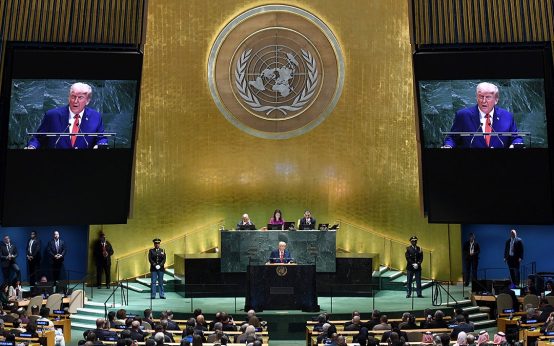 Trump’s Approach to Iran at the United Nations
 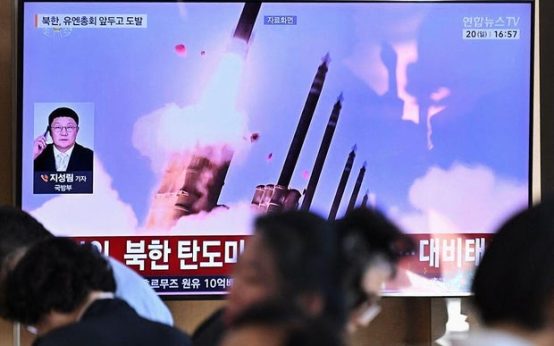 North Korea’s Missile Launches Escalate Tensions
  U.S. Plans for Permanent Army Base in Poland Amid Tensions with Russia
  Examining Testosterone Therapy for Menopausal Women
  Berlin’s Mayoral Race: A Candidate Inspired by New York Leadership
 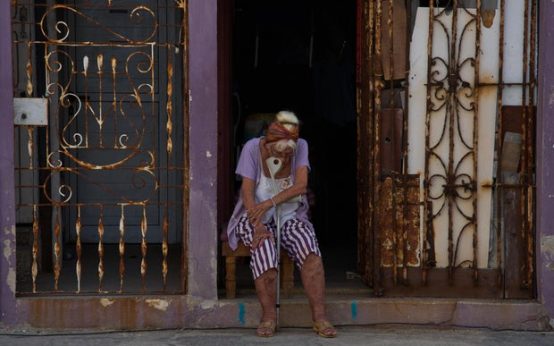 Cuba Faces Sixth Power Grid Collapse Amid U.S. Fuel Blockade