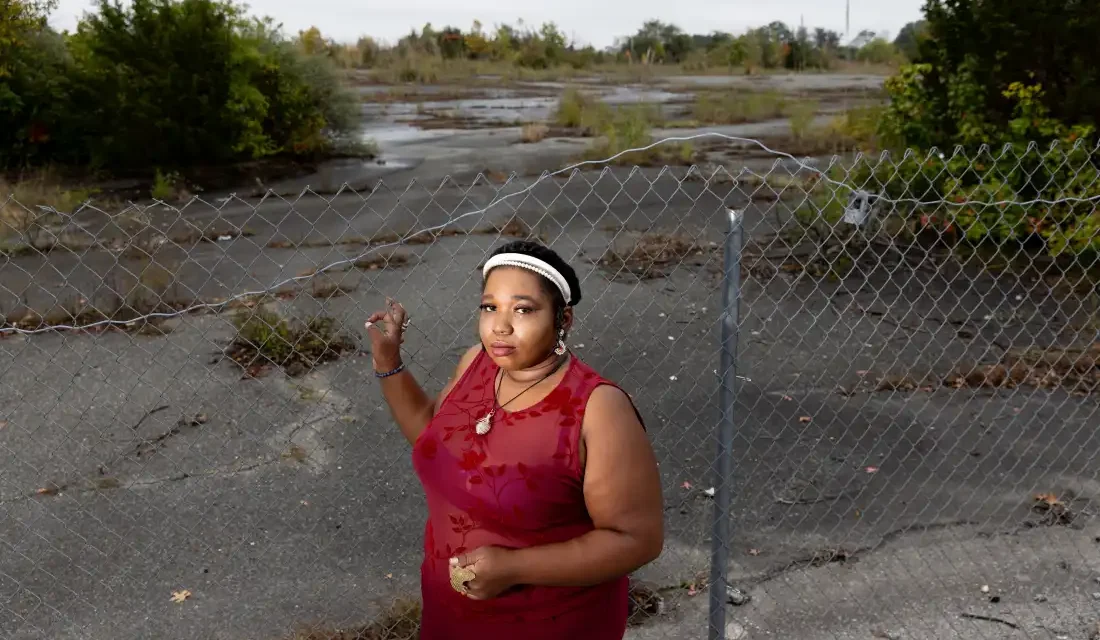
Taylor Frazier McCollum opposes the proposed data center at Landover Mall in Prince George’s County. The project, if approved, would span over 80 acres. The site, once home to Landover Mall before its closure in 2002, remains largely unused. In 2024, developers sought permission to construct a $5 billion data center campus, sparking concern in the nearby community.
“I was opposed immediately,” said McCollum, who lived less than a mile from the site. “It didn’t make sense to bring water-polluting, diesel-powered data centers near where people live and work.” McCollum’s response echoes a broader movement across the U.S., where residents contest data center projects. Nationwide, approximately 500 moratoriums on such centers exist due to community actions.
A Different Kind of Land-Use Activist
Unlike many land-use activists, McCollum doesn’t own a home. In 2024, she and her daughter faced eviction when she couldn’t cover rent due to wage cuts. “It was a challenging time,” she remarked, describing the loss of her home and ideal lifestyle. They moved into her grandfather’s house where she learned about the nearby project.
McCollum initiated a petition amassing over 25,000 signatures, resulting in visible protests and halting a $5 billion development planned for 2026-2027. This propelled her into local politics as she attended meetings, testified to legislators, and endorsed candidates, garnering media attention. Her activism earned her the nickname “the Landover girl.”
Local Economic Challenges
Staci Hartwell, a veteran environmental activist, said McCollum revitalized the discussion on data centers. Yet, the county faces economic strains. A local Six Flags closed, NFL’s Washington Commanders relocated, and federal employees faced job losses, contributing to a budget deficit. The land once home to Landover Mall remains an economic interest amid these changes.
During a council meeting, McCollum sought funds for home repairs, highlighting budget challenges. Council member Wanika Fisher acknowledged the need for economic development and noted, “While data centers may not be the solution, the conversation remains necessary.”
Expanding Activism
With Landover’s plans stalled, McCollum now advocates for bans on data centers both locally and globally, thanks to grants supporting her outreach. She expanded her efforts to Black communities in cities like Atlanta and Memphis and even to Zambia.
“Many depend on this fight,” she said. “It’s about setting precedents against expansive data centers.”
Her work often requires personal sacrifices, including missed employment and reliance on family. Her father, Lacy McCollum Jr., connects her fight to civil rights, underscoring its importance for clean water, air, and housing.
While some suggest a political career, McCollum prefers first to settle her personal and financial affairs. “Running for office remains a future goal,” she explained, while proposing alternative uses for the Landover site, such as sports facilities or affordable housing. Still, she concedes these ideas lack the economic impact of a data center.
Reporter Jenny Abamu from WAMU provides coverage of these developments.
 Efforts to Reform Military Barracks
 Fiscal Challenges Facing D.C. Mayor-elect
 Socialist Mayors Elected in Major U.S. Cities
 Democrats Urge Investigation into Elon Musk’s Role in DOGE
 Katie Miller’s Comments Amid Political Shifts
 Trump Comments on Post-Election Cooperation with Democrats