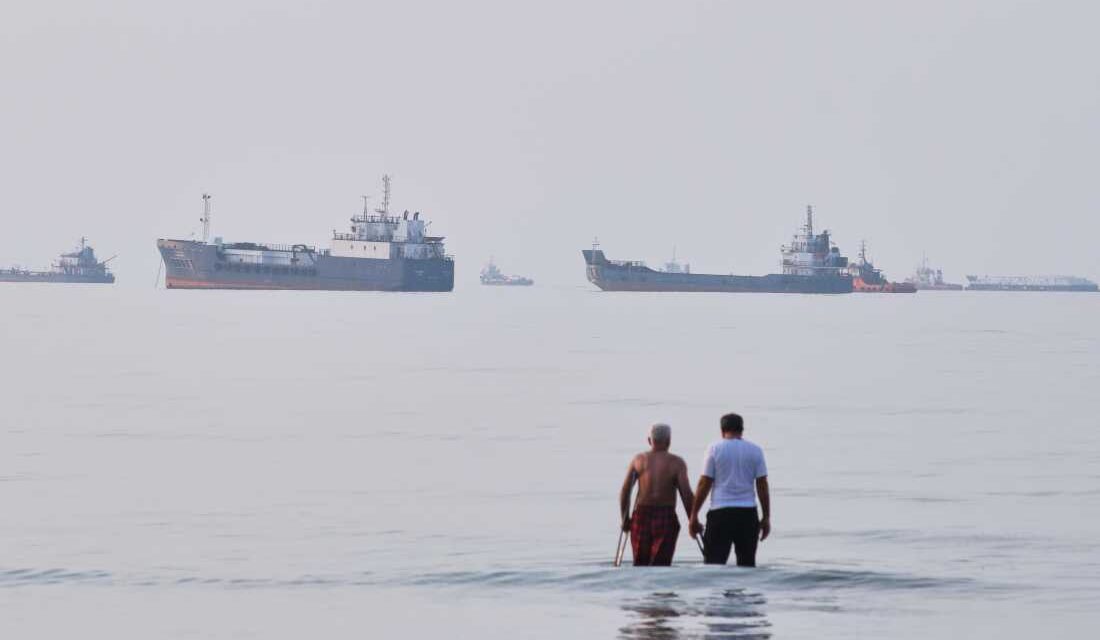
The United States and Iran have intensified their military exchanges in the Strait of Hormuz, with targeted strikes on infrastructure and military sites reported on Saturday. The region is witnessing ongoing conflict centered on control of this strategic passage.
The interim ceasefire has collapsed, prolonging the conflict that began over four months ago. On Saturday, the U.S. Central Command announced its seventh consecutive night of strikes, targeting surveillance sites, military logistics, underground weapon storage, and maritime capabilities.
Kuwait reported intercepting Iranian missiles and drones, while Iraq confirmed it shot down attack drones over Irbil. Jordan’s state-run Petra news agency reported the downing of Iranian missiles, and Bahrain experienced air sirens during the conflict.
Iranian officials report significant casualties from recent U.S. strikes, with dozens killed and hundreds wounded. Recent casualties occurred on Friday, when the U.S. acknowledged more injured service members. The closure of the strait by Iran after the war’s onset on February 28 escalated oil prices. The price of oil on Friday exceeded $86 a barrel, aligning with a significant drop in crossings through the strait.
U.S. President Trump, in a Thursday address, affirmed the progress of the war. However, domestic pressure mounts to end the conflict, which contradicts his earlier campaign stance against prolonged Middle East wars.
U.S. Strikes on Iranian Infrastructure
U.S. airstrikes have targeted bridges in Iran’s Hormozgan province, affecting Bandar Khamir and disrupting connections between Bandar Abbas, Iran’s primary port, and further into Tehran. Iran acknowledged attacks on electrical infrastructure, calling for reduced power usage in southern provinces due to extreme heat.
Iranian casualties from U.S. strikes include at least 46 fatalities and over 400 injured, with eight deaths occurring in a bridge strike on Friday. U.S. officials reported additional injuries among service members since Monday.
Tower Collapse at Chabahar Port
U.S. strikes led to the collapse of a tower at Iran’s Chabahar port, identified by the U.S. as part of a maritime surveillance network used by Iran’s Revolutionary Guard. This port plays a critical role in regional trade, especially for Afghanistan.
Iranian state media reported explosions across various regions on Friday, including Ahvaz, Lar, Yazd, and Sirik. The attacks have heightened regional tensions.
Iran’s Retaliation and Regional Impact
On Friday, Iran directed its aggression toward Qatar, leading to air defenses engaging Iranian missiles. Kuwait experienced damage to a desalination plant from Iranian strikes, and drone attacks injured personnel on military sites. Jordan intercepted incoming missiles, while northern Iraq saw explosions as Iranian forces targeted the Kurdish dissident group Komala.
Additionally, a tanker passing through the Strait of Hormuz was attacked, reportedly sustaining minor damage.
Control Over the Strait of Hormuz
The Strait of Hormuz remains a focal point of contention, with Iran asserting control and demanding fees from vessels for passage, counter to international views that recognize it as an international waterway.
President Trump reiterated threats to target Iranian power infrastructure and is maintaining a naval blockade to prevent Iranian oil shipments. Recent shipping data indicates a decline in vessel crossings through the strait, further affecting the region’s energy distribution.
 U.N. General Assembly Set to Host Key Diplomatic Moment
 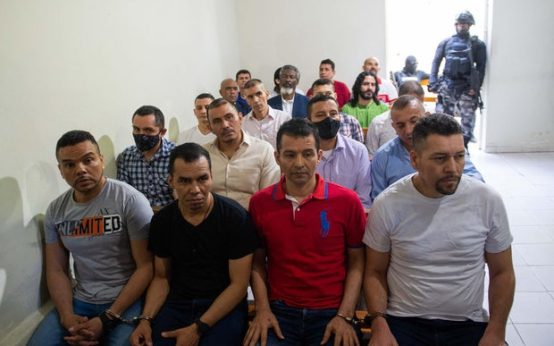 Suspects in Haitian President’s Assassination Await Extradition to U.S.
  Ambassador Avoids Timeline on Prolonged Iran Conflict
  Controversy Surrounds Children’s YouTube Star and Journalist’s Revelations
  German Chancellor Friedrich Merz Faces Challenges After Election Losses
 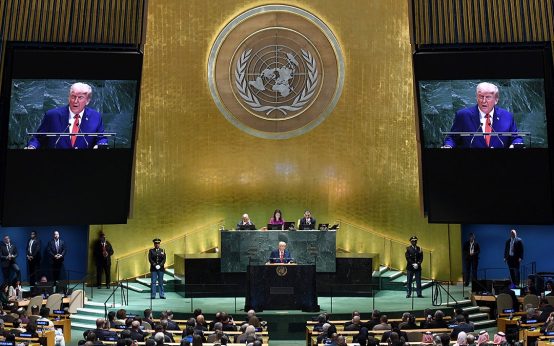 Trump’s Approach to Iran at the United Nations