
The Democratic Party’s recent electoral success brings with it potential internal challenges. Key among these is the claim by the Democratic Socialists of America (DSA) and their allies to credit for the victory. This poses a threat as it may allow them to influence the party’s agenda despite their limited contribution.
Electoral Gains and Demographic Shifts
According to New York Times polling, Democrats gained 56 percent of the national House vote, marking a 15-point shift from 2024. Voter demographic shifts were notable, with a 33-point shift among those under 30, 29 points among Hispanics, 18 points among men, and 14 points among white voters without college education. These shifts signal broad dissatisfaction with Donald Trump, extending well beyond the party’s traditional base.
DSA’s Limited Impact
The DSA’s success in the elections was confined to reliably Democratic districts, with their endorsed candidates winning in primaries by mobilizing small but motivated groups and then securing victories in Democrat-favored elections. They did not flip any competitive Republican-held seats, and their vision has yet to resonate with swing voters who influence control of Congress.
In Florida, DSA-backed Angie Nixon lost to Republican Ashley Moody by a narrow margin, suggesting a more broadly appealing candidate might have won. The DSA’s radical platform was used by Republicans as evidence of extremism within the Democratic Party. Proposals such as abolishing the Senate and restructuring major governmental institutions provided ammunition for political attacks.
Controversies and Public Perception
DSA-backed candidates faced controversies, including statements by incoming Congresswoman Melat Kiros about the September 11 attacks and Congresswoman Darializa Avila Chevalier’s rally participation. These issues were used by Republicans to paint Democrats as extremists.
Democratic Leadership’s Strategic Response
The incoming House will have a significant Democratic majority, allowing the party to govern independently of the DSA’s small faction. This contrasts with the narrow majority Republicans held previously, which allowed factions like the Freedom Caucus to exert disproportionate influence.
Democratic leaders are urged to confront the DSA’s influence by assigning them less influential committee roles and preventing their agenda from defining the Democratic Party. Senate leaders are expected to adopt a similar approach.
Looking Forward
Voters rejected Donald Trump’s governance, offering Democrats an opportunity to enact a common-sense agenda that addresses widespread concerns. To capitalize on this opportunity, Democrats need to focus on building a unified, practical approach rather than being influenced by radical ideological factions.
Future Democratic success relies on understanding and addressing the demands of the electorate and maintaining clarity on the party’s purpose and objectives.
The author, Jamie Metzl, previously worked on the National Security Council and other governmental bodies, offering an insider perspective on the political dynamics at play.
 Alaska Judge Rules Against Peltola’s Campaign Request for Absentee Ballot Records
 Joe Rogan Criticizes Texas THC Laws After Midterm Elections
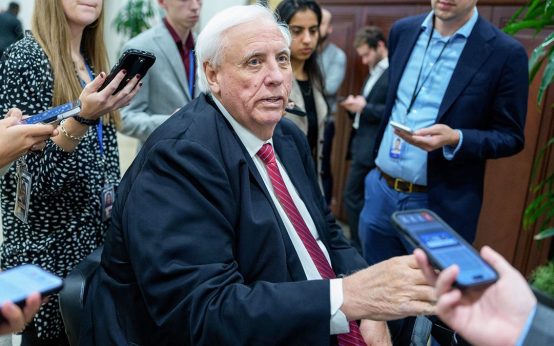 GOP Faces Challenges in Regaining Senate Majority After Recent Losses
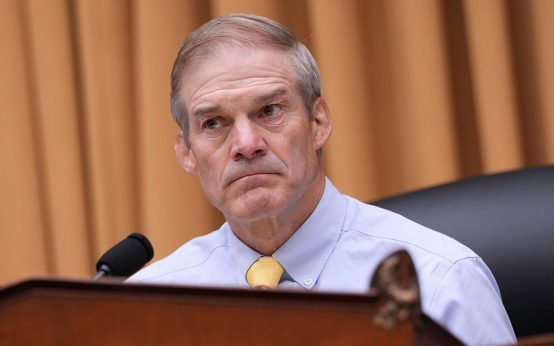 Jim Jordan Vows Action as Incoming House Minority Leader
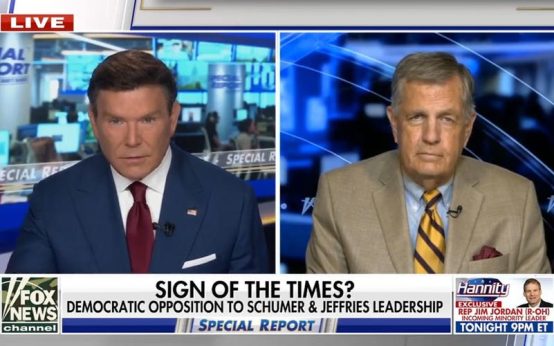 Mississippi Turns Blue in Historic 2026 Midterms
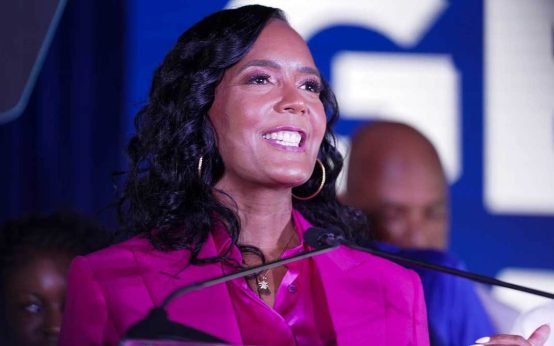 Guaranteed Income Advocates Celebrate Election Successes