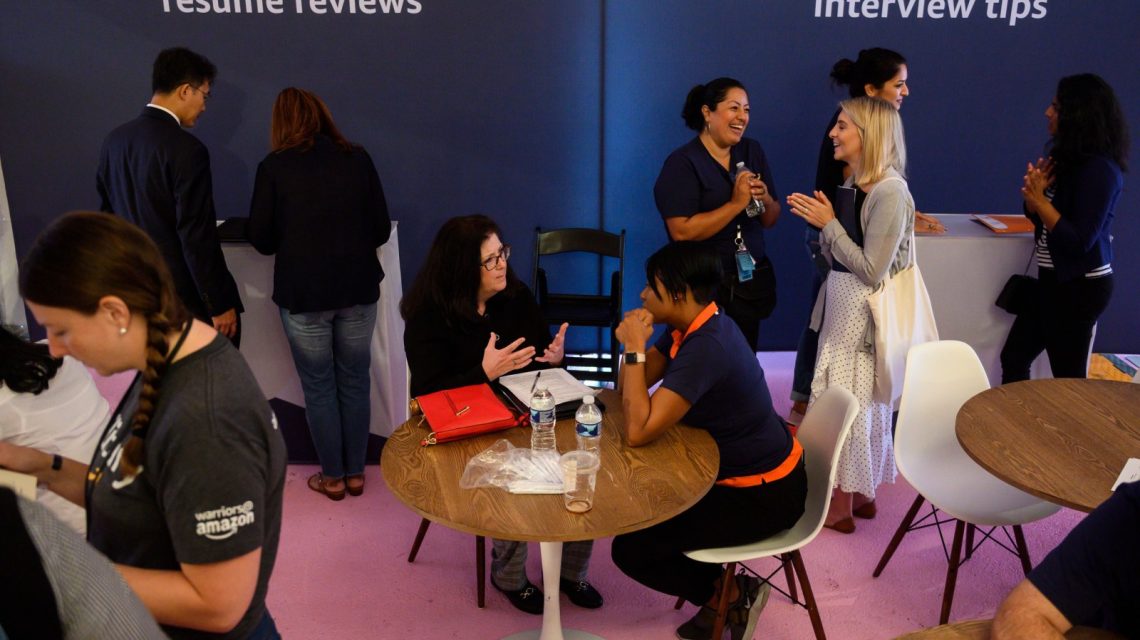
The evolving discussion around AI’s impact on jobs includes significant debate about AI’s effect on traditional ‘prestige’ careers. These careers typically follow a path from Ivy League schools to management consulting, eventually reaching the C-Suite level. Kevin O’Leary, known from Shark Tank as Mr. Wonderful, recently predicted the decline of management consulting. Concurrently, economist Alice Lassman suggested in her Guardian op-ed that the prestige career framework is collapsing.
Instead of lamenting this shift, optimism can prevail about the opportunities arising from its decline. Historically, consulting firms have offered a straightforward deal: Master their processes, excel in execution, and receive income along with influence. This approach trained the market to believe that the right credentials and behaviors were essential for a prestigious career.
As AI becomes more prevalent, its ease of execution presents challenges to the white-collar career model. For those heavily reliant on this path, the changes might feel catastrophic. However, for those never on the traditional path, prospects are bright. The skills gaining importance were often undervalued by consulting giants.
Growing up in Detroit, traditional prestige career avenues were not part of my journey. Lacking elite credentials and networks, I developed different abilities: interpreting culture, understanding motivations, and finding meaning beyond mere transactions. These skills led to opportunities, from working on digital strategies for Beyoncé to teaching at the Ross School of Business.
This career trajectory doesn’t fit neatly into traditional elite models. Lassman predicts a future focused on either technical roles or ‘soft skills’ such as empathy and tolerance in public service. Yet, this outlook still restricts career paths to a few lanes defined by institutional recognition rather than individual achievement.
AI introduces complex yet promising changes to the job landscape, emphasizing broader human skills like cultural intelligence, unique judgment, persuasion, imagination, storytelling, and interpreting ambiguity. These talents transcend sectors and do not require singular paths or credentials. They can be acquired and refined in diverse environments.
Despite uncertainties in the job market, insights are more available than assumed. With a background in pop culture and consumer behavior, patterns show that as products become commodified, brands succeed by offering meaning and identity. The same principles apply as AI influences white-collar professions.
Future prestige careers will belong to those capable of actively cultivating cultural significance and conveying meaning at scale, rather than merely excelling within existing models. These inherently difficult-to-measure skills favor people who developed them independent of institutional support.
This shift leads many to question the origins of future leaders. The response remains unchanged: Leaders are forged in diverse spaces like neighborhoods, studios, classrooms, startups, and initiatives previously undervalued by traditional credential-based systems.
Marcus Collins is a Professor of Marketing at the University of Michigan’s Ross School of Business.
Note: The opinions shared are those of the author.