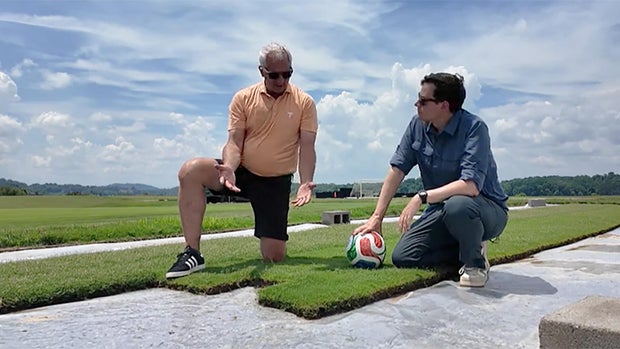
In recent times, the World Cup has seen unprecedented levels of viewership. The current tournament is expected to break new records, particularly during the final match featuring Spain and Argentina. For Dr. John Sorochan, this event is all about the grass and its quality.
The Importance of Turf Quality
Dr. Sorochan, a distinguished professor in Turfgrass Science at the University of Tennessee, Knoxville, has emphasized the crucial role of the playing surface. “The number one thing is the pitches. We need a good surface for the players,” he noted. Surprisingly, while 1.8 billion people watched the last men’s World Cup final, few considered the field itself.
Global Effort for Pitch Perfection
The University of Tennessee and Michigan State University have collaborated on the FIFA Pitch Research Project over the past five years. This year’s World Cup involves 104 matches in 16 stadiums across three countries, each requiring high-quality natural grass.
Due to different elevations and climates, a single grass species cannot suffice. Therefore, sod rolls have been transported nationwide, often layering natural grass over artificial surfaces. The grass for MetLife Stadium in New Jersey was cultivated in North Carolina.
Innovations in Turf Management
Some stadiums feature domes, necessitating the use of grow lights for grass longevity. These lights function for 12-14 hours daily in covered arenas. “But we need [grass] to be alive inside for weeks,” stated Sorochan.
He has also developed a robot to test grass resiliency, simulating the impact of a professional soccer player’s cleat. This method provides a heat map of surface consistency, crucial for a World Cup pitch. Additional research examines ball movement on different grass types, ensuring optimal playability.
Collaboration with Sod Farmers
Brad Jean, owner of Crossroads Sod Farm in Tennessee, frequently collaborates with turf experts for advice on grass issues. Sod farming is a significant industry, valued at over $2 billion, with a focus on residential users and golf courses.
Jean expressed a preference for natural grass over artificial surfaces. “If it’s 90 degrees, AstroTurf is much hotter,” he remarked, noting the discomfort and potential for injury associated with artificial turf.
The Unique Appeal of Natural Grass
Sorochan highlighted the special qualities of natural grass, influencing the game’s aesthetics and flow. “On the grass, the play of the game is more natural,” he said.
For enthusiasts interested in remembrance, FIFA offers souvenir sod slices for $450, allowing fans to keep a piece of the event on their home turf.
For more information, contact Dr. John Sorochan at the University of Tennessee or visit the Crossroads Sod Farm in Belvidere, Tennessee.
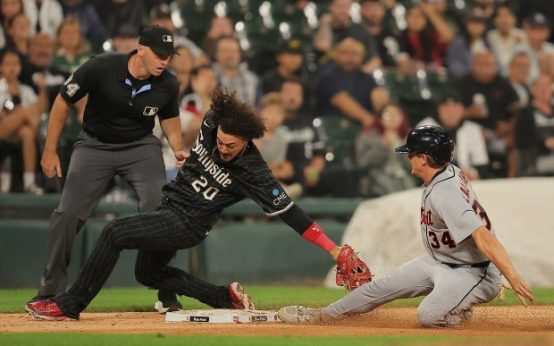 Chicago White Sox Face Crucial Stretch at Season’s End
  Philadelphia Eagles Triumph Over Tennessee Titans, Concerns Arise for Offensive Performance
  Final Week Tensions Rise for Blue Jays and Orioles in Baseball Season
 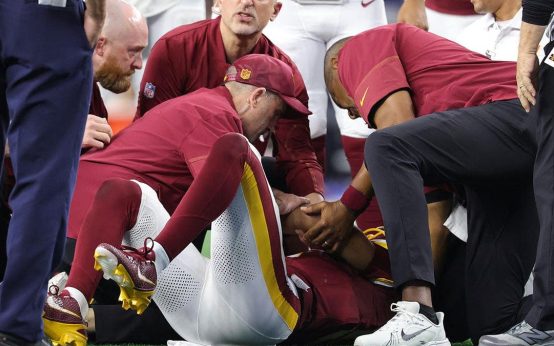 Washington Commanders Face Uncertainty with Daniels’ Injury
  Kyler Murray Returns as Starting Quarterback for the Minnesota Vikings
  Challenges Facing the Los Angeles Chargers