
U.S. Military Actions and Consequences
The Pentagon reported the death of a third U.S. military member over the weekend amidst escalating warfare with Iran. This soldier died in northern Iraq while handling a downed Iranian attack drone. This marks the 17th U.S. military fatality since the conflict’s inception.
A deadly attack in Jordan preceded this event, where two soldiers were killed by an Iranian missile strike. The attack shattered the ceasefire established last month, with recent events showing no diplomatic resolution in sight. Increasing infrastructural damage raises concerns about potential war crimes.
Deployment and Strategic Implications
In response to the rising conflict, the U.S. is dispatching additional aircraft to the Middle East. These include F-16 jets from Germany and F-35 jets from Britain, with accompanying refueling aircraft. This deployment was planned before the latest fatalities, hinting at strategic escalation.
Jordan has become a key location for U.S. forces, demonstrated by repeated Iranian attacks, including one lethal assault this past week. This nation is increasingly integral due to restrictions imposed by other regional allies on U.S. military operations.
Iran’s Economic Strategy
Despite the turmoil, Iran capitalized on a brief period of U.S. concessions, exporting substantial amounts of oil under a temporary suspension of sanctions. Analysts estimate that Iran moved 45-50 million barrels, gaining billions that could bolster its conflict efforts.
A shadow fleet facilitated these exports, eluding international sanctions effectively. Despite U.S. sanctions reinstatement, this oil revenue remains crucial for Iran amidst escalating military expenses and domestic economic downturns.
Regional and Military Developments
The conflict further expands as Iran targets Gulf infrastructure, including desalination plants crucial for civilian water supply. The rising hostilities involve air defense maneuvers and missile interceptions, notably in Jordan and Bahrain.
In Iran, widespread destruction affects civilian life significantly, exacerbated by military operations damaging infrastructure and essential services.
Middle East Dynamics and Implications
Amid recent assaults, Jordan seaport and airport faced evacuation warnings due to credible threats, displaying Iran’s strategic focus on this nation. Attacks have injured numerous U.S. personnel and damaged resources, complicating regional stability.
Bahrain’s recent interception of Iranian aerial attacks emphasizes how Gulf nations remain exposed despite strategic alliances with American forces.
Overall, U.S. and Iranian interactions continue elevating regional tensions, involving complex military and diplomatic elements affecting numerous stakeholders.
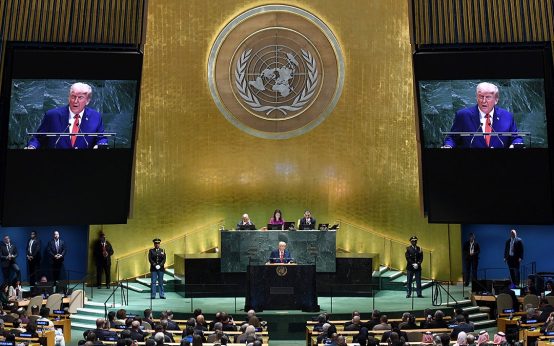 Trump’s Approach to Iran at the United Nations
 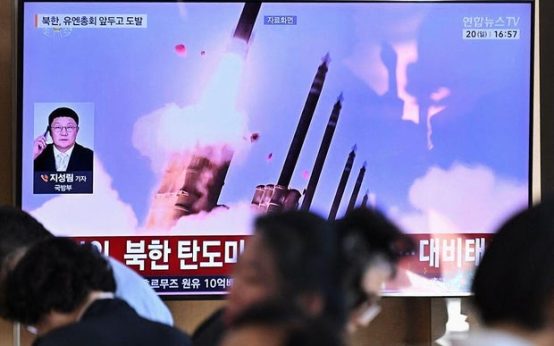 North Korea’s Missile Launches Escalate Tensions
 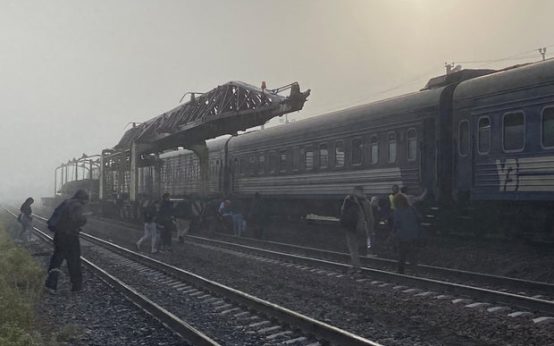 U.S. Plans for Permanent Army Base in Poland Amid Tensions with Russia
  Berlin’s Mayoral Race: A Candidate Inspired by New York Leadership
  Cuba Faces Sixth Power Grid Collapse Amid U.S. Fuel Blockade
  Daring U.S. Rescue Mission in Iran