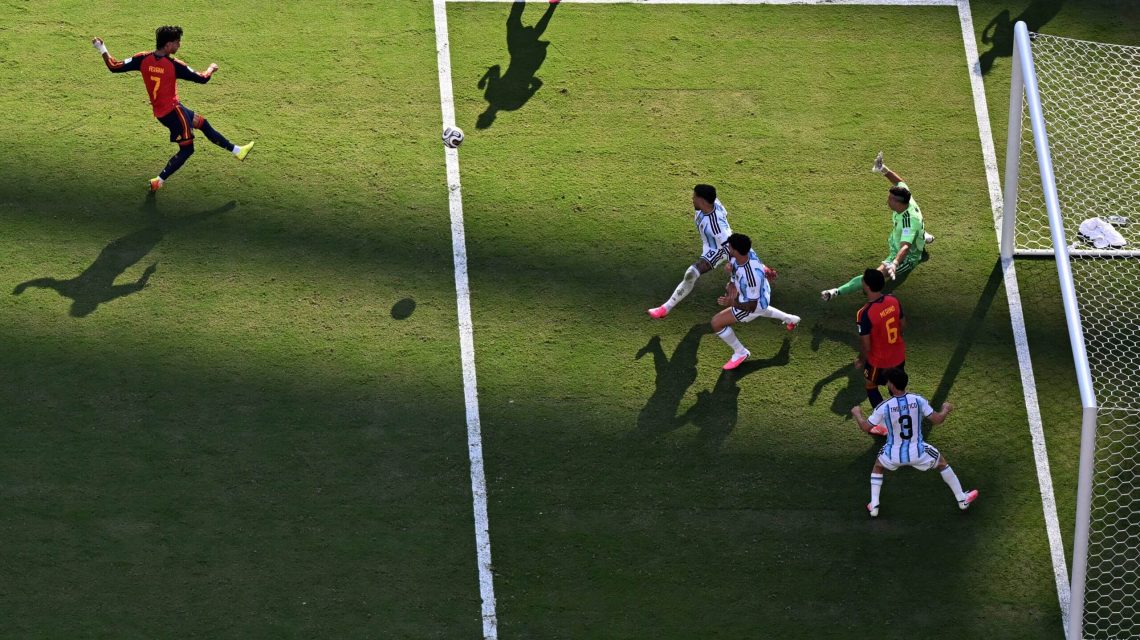
Had you closed your eyes, you might have thought you were sitting in Las Ventas, the famous bullring on the outskirts of Madrid. The fight wasn’t quite over yet, but it had reached the stage where the matador felt ready to tease the raging bull.
Ole! The delighted Spanish supporters shouted. Ole! Ole! Ole! Spain secured victory in the 23rd edition of the men’s World Cup, marking a remarkable journey spread across 104 games in three countries over five and a half weeks.
In the closing stages, Spain controlled the game, keeping possession like a training-ground exercise, angering their opponents. Argentina’s players were visibly frenzied watching Spain maintain ball control. Argentina’s fury grew with each successive pass from Spain’s confident squad.
The late Cesar Luis Menotti, who led Argentina to their first World Cup win in 1978, once remarked that Spanish football needed identity change. This statement resonated when Spain began embracing possession-based football. Over the past 18 years, Spain’s men have claimed the European Championship three times and the World Cup twice, demonstrating remarkable success.
Despite the star-studded performances dominating the early weeks, Spain asserted dominance towards the tournament’s end. After a slow start, they eliminated France in the semi-finals and Argentina in the final with Ferran Torres scoring the decisive goal after 105 minutes.
Spain showcased teamwork, intelligent possession football, and composure, contrasting Argentina’s intense aggression. Argentina, struggling offensively, watched their midfielder Enzo Fernandez earn a dismissal near the end after a second bookable offense. Their uninspiring performance capped by Paredes and Molina’s antics did not produce any shots until late in extra time.
Spain’s victory echoed past dramatic finals like the 1990 edition, where Argentina’s aggressive play was punished by West Germany. Leonidas Torres’ winning goal in extra time mirrored Spain’s triumph against the Netherlands in 2010.
Arsene Wenger once compared international play to fast food compared to club-level haute cuisine, emphasizing quick, instinctive management. However, Spain defied this norm by developing a team grounded in style and identity.
Argentina relying on its emotional drive and Messi’s brilliance reached the final. Contrastingly, Spain’s calm, controlled approach prioritized footballing principles, illustrating method over Argentina’s chaotic tactics.
Spain’s orchestrated performances endured throughout the tournament, maintaining rhythm post-initial setbacks. Their journey showcased resilience, conceding a single goal over eight matches, culminating in their World Cup triumph.
Recognized for their efforts, Manchester City’s Rodri received the FIFA Golden Ball award for the tournament’s outstanding player, overcoming past injuries. Notable performances from young players like Pau Cubarsi and seasoned defenders like Laporte solidified Spain’s dynamic squad depth.
Spain’s collaborative approach in player and coach development was evident, with names like Guardiola and Enrique contributing significantly to success. Spanish coaches now lead several top Premier League teams, including Arsenal, Chelsea, Fulham, and Liverpool.
While English football strategically seeks short-term successes, Spain’s organic development under Luis de la Fuente stands distinct. De la Fuente, with years spent nurturing under-19 and under-21 teams, built an integrated system feeding into Spain’s current golden era.
This collective process, enriched by players’ growth and connection, shaped Spain’s identity, evident in their World Cup celebration. Such thorough development rarely embodies national teams.
While not seamless, Spain’s journey entailed learning phases, recalling growth from prior eras not overshadowed by Barcelona legends. Spain’s modern team looks functional yet confident, embracing effective wing threats like Williams and Yamal.
In the final, Spain recorded dominant possession and shot statistics against Argentina, illustrating their tactical patience against critiques received in earlier matches. Spain’s passage reflected tactical evolution throughout this World Cup.
Spain stands as reigning champions, simultaneously holding men’s and women’s World Cup titles, alongside youth European titles. Lamine Yamal emerges as a prominent champion, poised for future leadership while prioritizing collective effort.
Spain’s core comprised sound strategy and teamwork, a fitting reflection of De la Fuente’s words. Spain fulfilled history expectations with concrete performance, celebrating their unified gameplay. Ole! Ole! Ole!
 Ronald Acuna Jr. Suffers Injury During Game Against Cincinnati Reds
  Joe Burrow’s Unexpected Post-Game Recovery
  Rangers Place Players on Waivers Ahead of Season Opener
 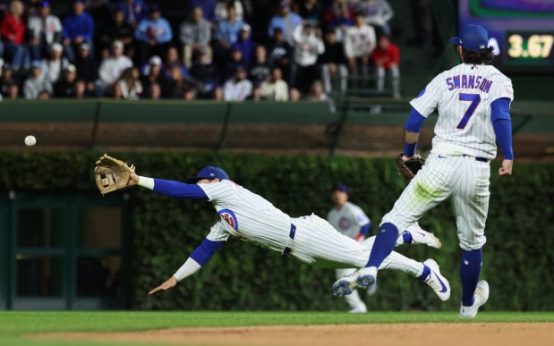 Cubs Face Crucial Pitching Decisions Amid Wild Card Race
 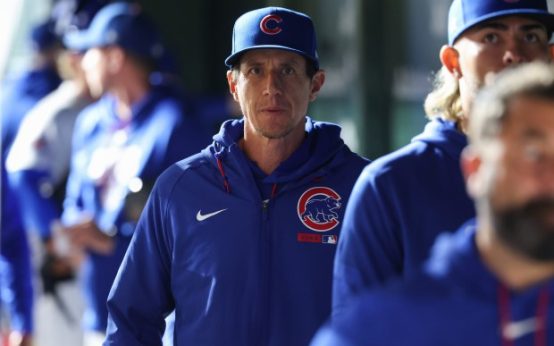 Chicago Cubs vs. Miami Marlins: 12-Inning Game Recap
 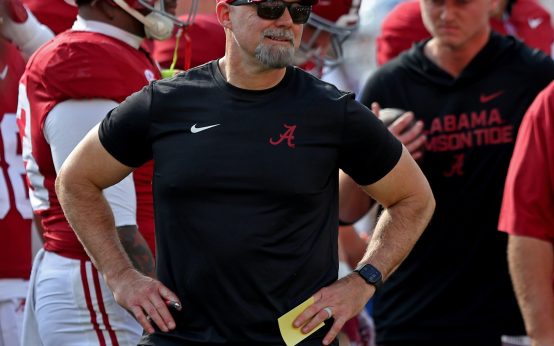 Alabama Football’s Comeback and Controversy