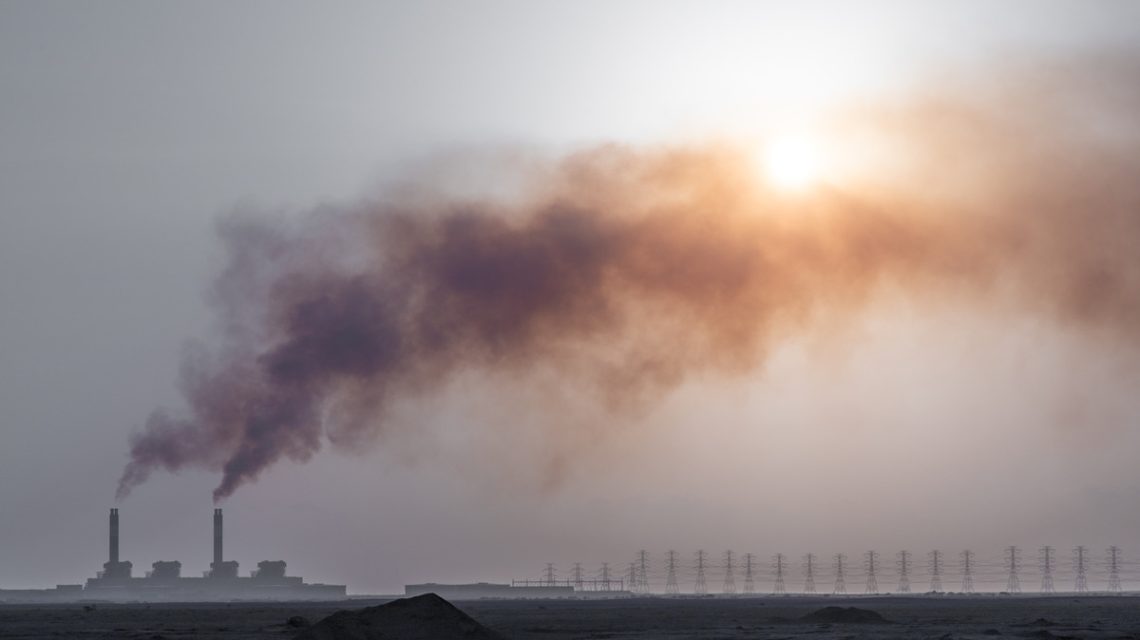
Iran launched two attacks on desalination sites in Kuwait over the weekend. These actions were confirmed by Kuwait’s authorities. Meanwhile, Iran reported that one of its own plants, which provides drinking water to thousands, was struck. Following the second strike on a Kuwaiti desalination plant, a fire broke out, affecting many electricity generation units, according to Kuwait’s Ministry of Electricity, Water, and Renewable Energy. The ministry’s statement highlighted the damages in Kuwait’s combined desalination and power plants, leading officials to disconnect several power units.
Kuwaiti residents were advised to reduce their electricity and water usage. Concurrently, Iran’s military claimed to have attacked an airbase and port in Bahrain, along with a Kuwaiti military base housing U.S. special forces. Iranian media reported that a U.S. strike on a desalination plant in Iran’s coastal region had cut water access for around 10,000 people. This situation reflects the vulnerability of desalination plants in the Gulf and the broader Middle East, as experts have long warned.
The attacks are a ‘massive’ escalation in the conflict.– Yossi Mekelberg, Chatham House think tank
Both nations have accused each other of targeting crucial civilian infrastructure, a potential war crime unless a military objective is involved. Desalination plants are especially critical in the Gulf, where they provide a significant portion of drinking water. The World Health Organization has cautioned that losing this access could result in widespread disease and displacement.
Understanding the Role of Desalination Plants
Desalination plants remove salts and minerals from seawater to produce fresh water. This water supports daily needs, agriculture, and essential services such as hospitals and hotels. The Gulf states heavily rely on these facilities. There are about 5,000 desalination plants in the Middle East, with 56 key facilities serving the Gulf region. Kuwait relies on desalination for about 90% of its drinking water. In Qatar, this figure rises to 99%, highlighting the plants’ crucial role.
Like Qatar, some nations have developed large water storage facilities to offer a buffer in case of plant damage. Saudi Arabia also employs desalination but supplements this with other water resources. Despite desalination’s importance, operating these plants is costly and energy-intensive.
Integrated with power plants, any plant damage might disrupt electricity supplies. This makes desalination an attractive target during conflicts or disasters. The Atlantic Council warned earlier this year that devastation of the Gulf’s desalination infrastructure could have dire impacts.
Iran’s Targeted Facilities
In March, Iran’s diplomat Abbas Araghchi accused the U.S. of hitting a plant in Iran, affecting water supply to 30 villages. The U.S. denied deliberate targeting in the strategic Strait of Hormuz area. An Iranian lawmaker recently alleged U.S. strikes damaged equipment in a Hormozgan region plant. Tehran’s Energy Ministry noted all southern desalination sites are operational.
Contact Newsweek editors regarding this: Frances Mao and Tony Phillips.
 German Chancellor Friedrich Merz Faces Challenges After Election Losses
  Trump’s Approach to Iran at the United Nations
  North Korea’s Missile Launches Escalate Tensions
  U.S. Plans for Permanent Army Base in Poland Amid Tensions with Russia
  Berlin’s Mayoral Race: A Candidate Inspired by New York Leadership
  Cuba Faces Sixth Power Grid Collapse Amid U.S. Fuel Blockade