
Iowa’s Farm Economy Faces Pressure
Iowa’s farm economy is experiencing significant strain. Net farm income is down 53 percent from 2022 to 2024. For three years, row-crop producers have faced costs that surpass crop prices. The factors contributing to this decline include low commodity prices and high production expenses. The economic downturn presents political implications as Iowa remains a Republican stronghold, raising questions about whether economic dissatisfaction could benefit Democrats in upcoming elections.
Political Context
Democrats, including Rob Sand and Josh Turek, aim to challenge Republican incumbents in Iowa’s governor and Senate races. Iowa State University, the Iowa Farm Bureau Federation, and the Iowa Bankers Association report underscores the struggles of Iowa’s agricultural sector. Chad Hart, an agricultural economics professor, highlights the multi-year struggle of farm incomes. With agriculture contributing approximately $51.5 billion annually to Iowa’s economy, prolonged economic weakness affects not only producers but also rural communities and related businesses.
A Decline in Profitability
The USDA’s measure of farm earnings shows a steep decline in net farm income. Production costs for corn and soybeans have increased dramatically. Trade uncertainties further complicate matters, with retaliatory tariffs from China impacting Iowa agriculture. High inflation, tariffs, labor challenges, and geopolitical tensions amplify the risks faced by farmers.
Efforts to Mobilize Voters
In the governor’s race, Sand leads Republican Zach Lahn in several polls. Similarly, the Senate race between Ashley Hinson and Turek remains competitive. Democrats see an opportunity to leverage economic frustration to gain votes. Turek emphasizes issues like input costs and market dynamics, while Hinson resists external regulations impacting local producers. Political strategists are paying close attention to the campaigns and their focus on agricultural policies.
Potential Shifts in Rural Voting Patterns
Democrats aim to maximize voter turnout in urban areas like Des Moines. Economic issues may reduce rural Republican support. Although flipping conservative voters is challenging, reducing Republican margins could make races more competitive. Economic frustrations are central to both parties’ campaigns.
Impact of Trump’s Influence
Despite Trump’s popularity in Iowa, Democrats identify opportunities in his softer support. Economic issues, primarily farm profitability, present a chance for Democrats to make gains in statewide races. Trump’s promises to aid farmers are yet to deliver significant changes in farm policy.
Democrats focus on providing alternatives, advocating for policies supporting Iowa farmers and addressing current administration’s shortcomings.
 Trump Team Challenges U.S. Military Structure
  Oregon School District Sued Over Denied Curriculum Reimbursement
  Democrats Anticipate Senate Gains Amid Poll Cautions
  Republicans Face Reelection Challenges Amidst Rising Living Costs
 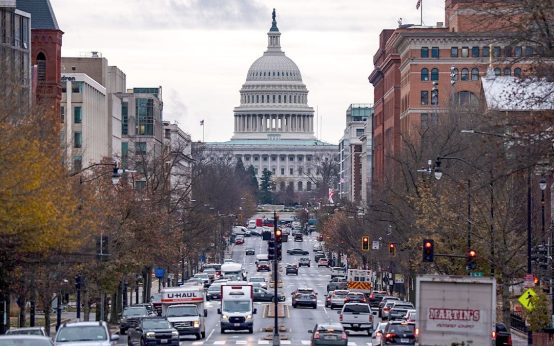 Congress Avoids Autumn Shutdown But Faces Post-Election Spending Battles
 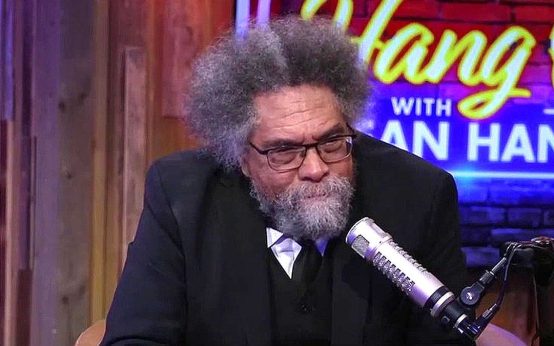 Cornel West and Sean Hannity: Discussing Differences with Respect