
Democrat Annie Andrews entered South Carolina’s Senate race expecting to challenge one of the most established political figures in the state. However, the recent passing of long-serving Republican Senator Lindsey Graham on July 11 has dramatically changed the political landscape, leaving the state with its first open U.S. Senate seat in decades. This led to an emergency special election process for Republicans.
On Monday, another significant shift occurred as Senator Darline Graham, Lindsey Graham’s sister and interim successor, announced her decision to run for a full six-year term, backed by President Donald Trump. This raises the question: will the GOP shakeup improve Andrews’ chances, or does Darline Graham’s candidacy strengthen Republican prospects?
Newsweek reached out to both Andrews and Graham on Monday.
Importance of Darline Graham’s Decision
When South Carolina’s GOP Governor Henry McMaster appointed Darline Graham to complete her brother’s term, many Republicans saw her as a temporary senator until the election of a successor. The scenario changed when Trump urged her to run and gave his “Complete and Total Endorsement.” Graham confirmed her candidacy, reshaping a Republican field that already attracted notable contenders such as Representatives Ralph Norman and Russell Fry.
For Andrews, this development presents both new opportunities and challenges.
The Case for Andrews
Before Lindsey Graham’s passing, Andrews faced a well-supported incumbent who had represented South Carolina since 2003 and secured the Republican nomination. Now, Republicans are preparing for a crowded special primary on August 11, with a runoff scheduled for August 25 if no candidate secures a majority.
“The weekend events changed who I’m running against, but not who I’m running for,” Andrews told Newsweek.
As a pediatrician and mother of three, Andrews aims to build support among independents and moderate Republicans, avoiding an intraparty battle. Her campaign cites a June Impact Research poll showing a competitive race with Lindsey Graham leading Andrews by just 48 percent to 45 percent.
The Numbers Remain Challenging
South Carolina’s political landscape still leans Republican. The state has not elected a Democratic senator since 1998. Presidential voting trends show strong Republican support, with Trump winning South Carolina decisively in recent elections. Political forecasts rated Graham’s reelection bid as “Safe Republican” before his death.
Despite Republican disarray, political scientist Justin Vaughn of Coastal Carolina University noted South Carolina’s strong Republican state advantages. Prediction markets echo this view, showing high odds for Republican retention.
Emerson College surveys revealed a fragmented Republican field with no clear front-runner, but Trump’s endorsement provides Graham potential advantages.
Impact of Mace’s Withdrawal
Recent developments include Nancy Mace’s decision to withdraw from the Senate race, focusing on other priorities. Polls previously placed her as a key contender, but her exit may consolidate support among remaining Republican candidates like Graham, Norman, and Fry.
Trump’s Endorsement: A Game Changer?
Trump’s endorsement holds weight in South Carolina primaries, likely shaping outcomes. Graham enters the race with the Graham name and Trump’s endorsement, gaining early support from notable Republicans, enhancing her prospects in the GOP primary.
For Andrews to succeed, a divisive Republican primary may be necessary, alongside building moderate support and favorable national conditions.
Conclusion
The race became more unpredictable following Lindsey Graham’s passing, but Republican dynamics remain unchanged. Darline Graham, backed by Trump’s endorsement, poses challenges for Andrews despite new opportunities.
Ultimately, South Carolina politics may revolve around Darline Graham securing the Republican nomination, influencing Andrews’ campaign strategy and potential success.
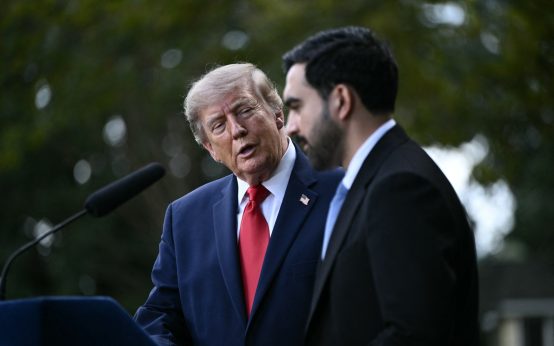 Poll Reveals Voter Preferences Between Socialist Democrats and MAGA Republicans
 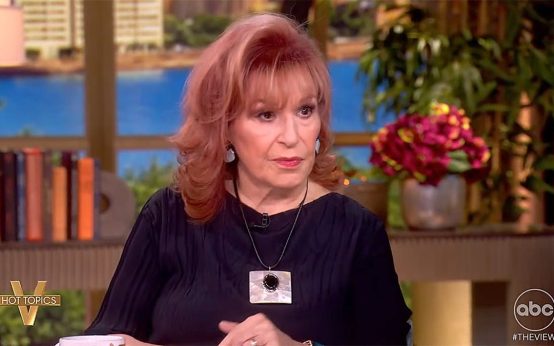 Challenges of Electing a Female President: Insights from ‘The View’
  Upcoming Concerns and Influence in Health Politics
  Rep. Donalds Distances Himself from Trump as Florida Governor Race Tightens
  Controversy Surrounds President Trump’s Proposed D.C. Arch
 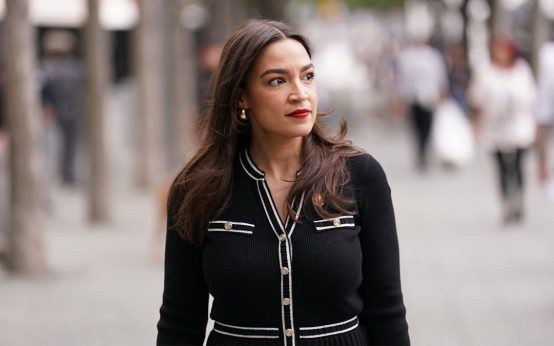 AOC and the 2028 Presidential Election: Gender, Race, and Politics