
In the realm of climate policy, political affiliations often suggest predictable views. Yet, real-world opinions can defy these expectations. For instance, a young Republican might support solar energy initiatives while opposing carbon taxes. Simultaneously, two Democrats might both acknowledge climate change but differ on policies penalizing households for surpassing energy use limits.
The complexity of opinions on climate issues transcends simple party lines. These viewpoints reflect a broader spectrum of beliefs influenced by personal values, economic considerations, and regional differences. Understanding this complexity is crucial for crafting effective, inclusive climate policies.
Solar energy appeals to fiscally conservative Republicans due to its economic benefits, like job creation and energy independence. However, carbon taxes might be perceived as an economic burden, deterring their support.
Democrats, united on climate change acknowledgment, still differ on execution strategies. For example, one might support immediate, stringent regulations, while another could fear the financial impact on lower-income constituents, favoring gradual implementation.
This diversity indicates that political labels do not capture the full breadth of climate opinion. Engaging with these nuanced perspectives can foster more comprehensive policy solutions.
 Socialist Figures in America Benefit from Capitalism, Critic Says
 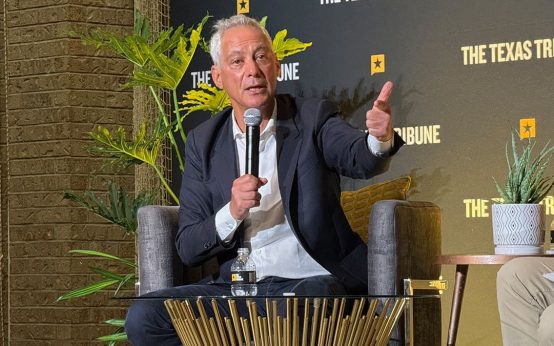 Rahm Emanuel Considers 2028 Presidential Bid Amid Growing Democratic Field
  Nicki Minaj Discusses Political Views in Interview with Lara Trump
  Supreme Court Rejects Missouri’s Trump-Backed Congressional Map: Analysis and Implications
  Talarico’s Narrowing Poll Lead Over Paxton in Texas Senate Race
  House Democrat Introduces New Articles of Impeachment Against Trump