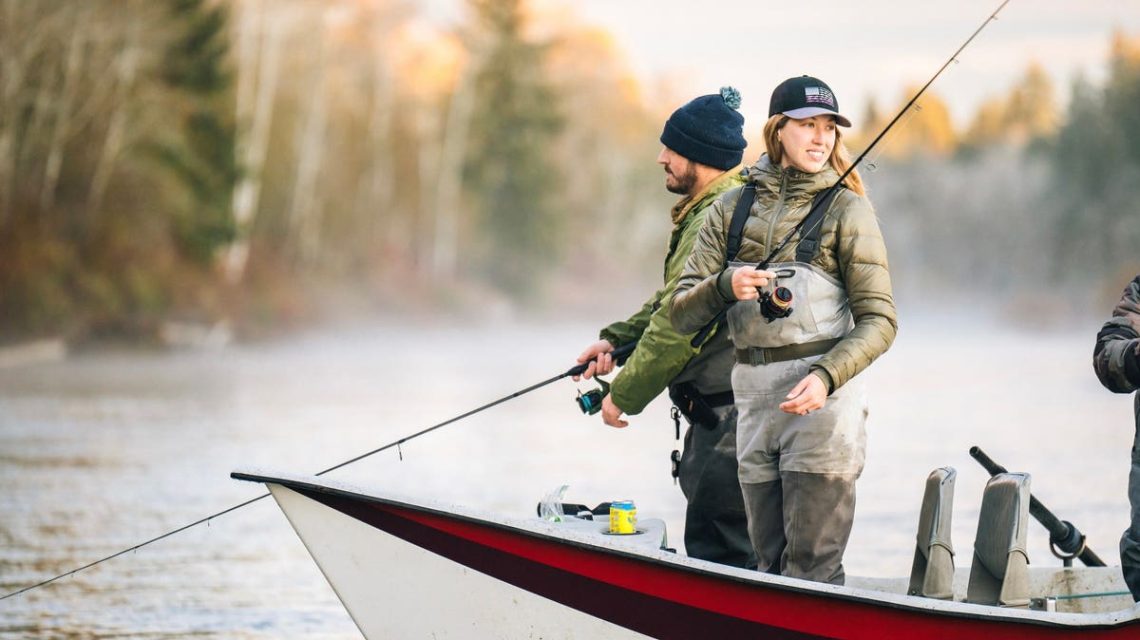
Spending time in nature not only benefits personal well-being but also significantly boosts the American economy. Recent data from the U.S. Bureau of Economic Analysis shows that in 2025, outdoor recreation contributed $704.2 billion to the U.S. economy. This accounted for 2.3% of the nation’s gross domestic product.
Fishing and hunting activities play a substantial role in this economic contribution. According to the 2025 BEA data, fishing and boating are the top outdoor activities in 35 states and Washington, D.C. Boating and fishing alone generated $39.1 billion in economic value. Florida, California, and Texas were the leading states in this category, contributing $4.5 billion, $3.3 billion, and $3 billion, respectively.
Hunting, shooting, and trapping followed closely, ranking third nationally at $15.1 billion. Texas led this category with $1.8 billion in contributions, trailed by California with $849.8 million and Florida with $831.3 million. RVing ranked second among the outdoor activities, contributing $26.8 billion.
The impact of outdoor recreation extends beyond the direct sales of equipment like fishing rods and rifles. It supports jobs, local businesses, and rural communities that rely heavily on visitors engaging in outdoor activities. The Theodore Roosevelt Conservation Partnership emphasized the essential role of healthy wildlife populations, accessible public lands, and conservation efforts in sustaining these activities. The National Fish and Wildlife Foundation reported that conservation spending generates $115.8 billion in economic activity and supports over 575,000 jobs nationwide.
In 2025, the overall outdoor recreation economy grew further, with a 1.9% increase in inflation-adjusted GDP and a 1.7% rise in employment. This underscores the economic value beyond merely personal or leisure pursuits.
Overall, outdoor recreation, including hunting and fishing, is not merely about enjoying the leisure or escaping the daily grind. It serves as a significant economic force, and investing in the protection of these natural resources yields benefits that extend far beyond the immediate outdoor spaces.
 European Governments Urge 72-Hour Preparedness Amid Cyber and Climate Risks
 Maryland Proposes New Rules to Protect Eastern Box Turtles
 Hurricane Lowell’s Impact on Kauaʻi and Medicaid Challenges
 Frequent Earthquakes Rock L.A. County’s South Bay
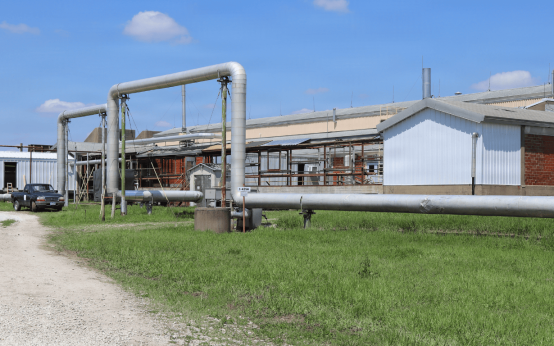 Army’s Plan to Detonate Lead Azide Delayed Again Amid Environmental Concerns
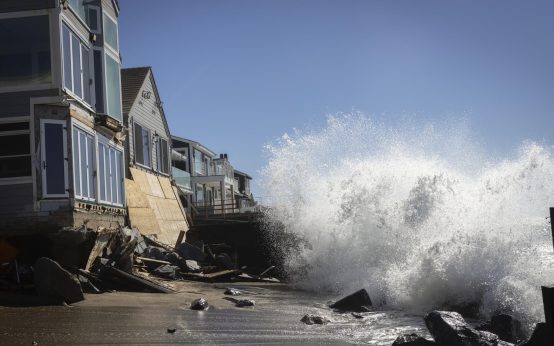 Reevaluating Coastal Strategies in the Face of Rising Seas