
The Education Department in Washington has recently announced the cessation of a longstanding practice. For years, statistical data evaluations known as disparate impact analysis have been used as evidence of racial discrimination in civil rights complaints against schools. This change marks a significant shift in the government’s enforcement of civil rights law.
The decision, made on Thursday, involves repealing rules that have supported the use of data-driven disparities. These rules have provided a framework for addressing and proving instances of discrimination within educational institutions by highlighting disparities affecting racial groups.
The move reflects an ongoing trend in the Trump administration toward modifying governmental policies concerning civil rights enforcement. The adjustment is in line with efforts to revise how discrimination is identified and addressed without relying on statistical evidence alone.
The implications of this policy shift may alter the landscape of how civil rights complaints are processed and adjudicated. Without the use of statistical analyses as supporting evidence, the method for demonstrating discrimination could become more challenging for complainants who rely on data to substantiate their claims.
This development is a pivotal moment in the evolution of civil rights law and underscores the broader changes being initiated by the current administration in handling civil rights cases.
 Trump Administration Seeks to Influence NIH Grantmaking
 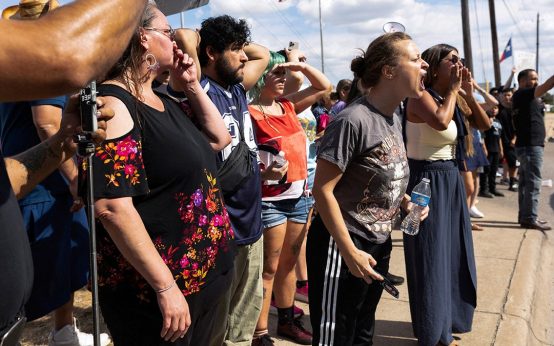 Protests in Austin: Analyzing the Coordination Behind Anti-ICE Demonstrations
 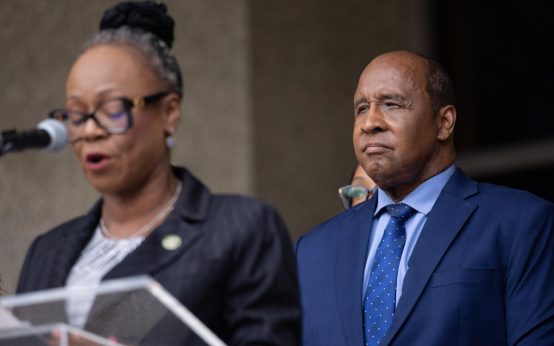 Controversy Surrounds Inglewood Mayor Amid Allegations
  Nikole Hannah-Jones’ Reflection on School Integration and the Impact on Her Daughter
 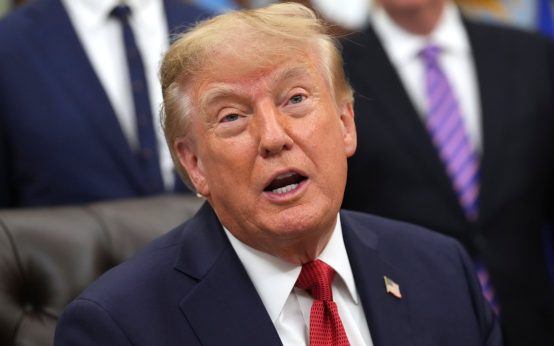 White House Launches Trump TV Amidst Press Dispute
  Media Organizations Sue Trump Administration Over Press Access