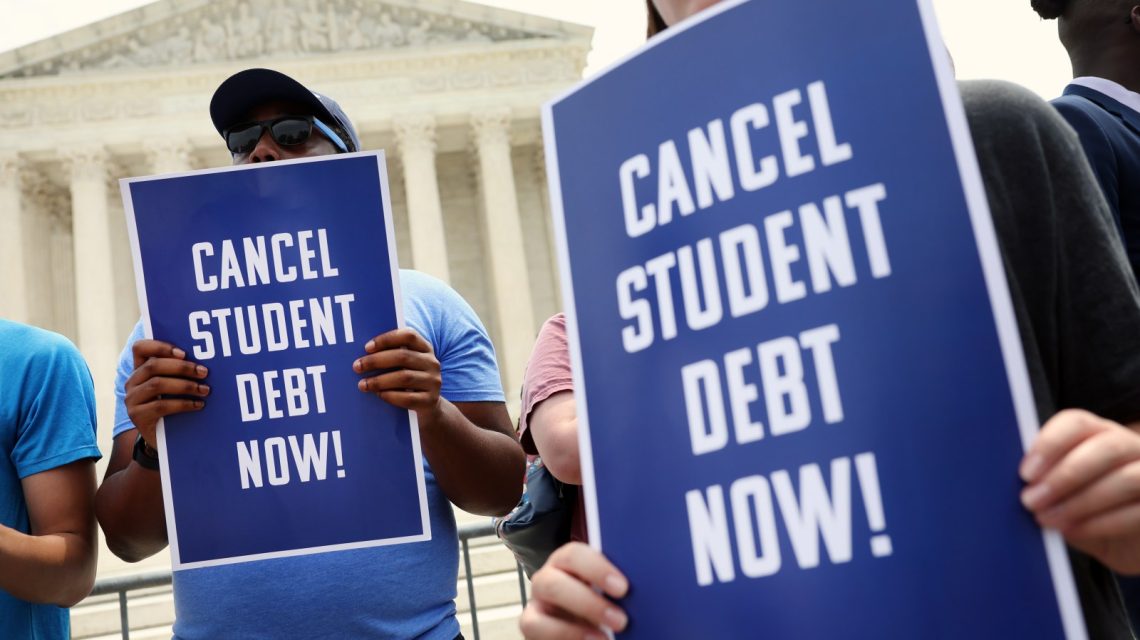
Millions of Americans with federal student loans might see significant cost reductions in their monthly payments through a new congressional proposal. The Student Loan Interest Elimination Act, proposed by Senator Peter Welch from Vermont and Representative Joe Courtney from Connecticut, aims to entirely remove interest on federal student loans.
Proposal Overview
The act would refinance existing federal loans to a 0% interest rate and restructure how future loans are financed. If passed, it could become one of the significant reforms in years. Unlike other measures that lower interest rates, this proposal removes them completely.
Current Student Loan Scenario
Interest rates often make loan repayment challenging. Many borrowers find themselves paying much more over time due to accumulated interest. The new legislation promises to address this issue by eliminating interest rates, which could result in shorter repayment periods and prevent loan balances from increasing excessively.
Immediate Changes and Future Rules
The bill suggests immediate refinancing of existing federally held student loans to 0% interest and proposes new rules for future lending. According to Courtney, student loan defaults have reached record levels in 2026, and the current situation poses an increasing burden on 42 million U.S. borrowers.
Difference from Loan Forgiveness
This proposal differs from loan forgiveness initiatives. While forgiveness programs erase balances, this scheme would require borrowers to repay the principal amount, sans interest. Consequently, payments would go directly to the principal, improving repayment timelines.
Funding Structure
The proposal also plans to develop a trust fund within the Department of Education. Borrower payments would fund and invest in safe assets like Treasury and municipal bonds, supporting the cost of running the federal student loan system.
Borrower Savings Estimation
EducationData.org analysis shows that a borrower with an average balance of $39,547 at a 6.39% interest rate would save approximately $14,074 in interest over a ten-year period if interests are removed.
Larger balance holders or those with extended repayment could see greater savings. On average, it takes around 20 years for borrowers to pay off debt, which increases interest cost.
Eligibility for the Act
The initiative applies only to federal student loans. Borrowers with existing federal loans would qualify, while those with private loans wouldn’t.
Support and Criticisms
Welch and Courtney advocate that students should not face overwhelming educational debt. However, skeptics like Kevin Thompson from 9i Capital Group argue the proposal might not pass due to perceived financial infeasibility.
Previous Legislation Attempts
Though earlier versions of this legislation appeared in Congress, none have passed. Recent related bills, such as Representative Mike Thompson’s proposal for a 2% fixed interest rate on new and direct loans, have also been introduced.
Challenges in Passing the Bill
The proposal encounters significant challenges since it could change how the federal loan program is financed, raising cost concerns. Currently, the bill is in its initial legislative phases, subject to extensive debates and considerations.
Future Implications
For now, no immediate changes occur in federal student loans. If enacted, the law could save many borrowers considerable interest costs. Nonetheless, as per Kevin Thompson, a resultant shift towards more private sector borrowing could happen.
 High School Student’s Suspension Over Coffee Sparks Policy Review
  Waubonsee Community College Opens New Food Pantry to Combat Student Food Insecurity
  Parents Share College Financing Advice
  Expansion of AI-Driven Schools Across the U.S.
  Bill Proposes Automatic Enrollment for Struggling Student Loan Borrowers
  New York Teachers Unions Protest Against Federal Tax-Credit Scholarship Program