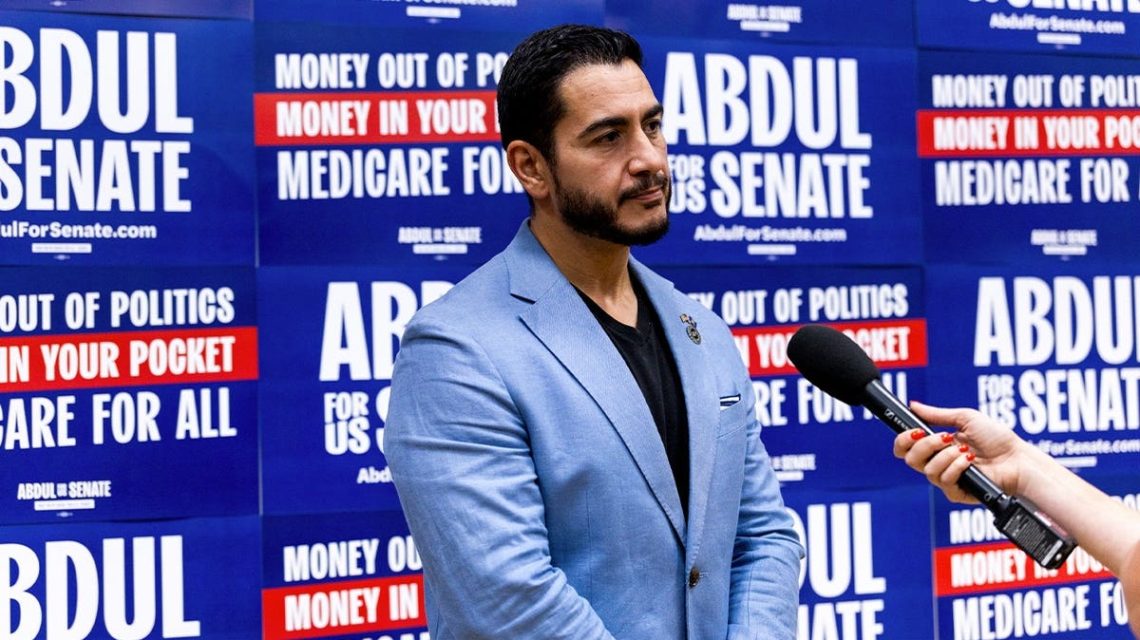
Conservative voices have expressed concerns about the implications of Michigan Democratic Senate nominee Abdul El-Sayed’s potential election win. If elected, El-Sayed would have access to classified information without needing a formal security clearance, unlike many other government officials.
Security Clearance Exemption for Senators
U.S. senators inherently qualify for access to classified information due to their position. This has raised alarms among national security experts. They worry about potential risks if El-Sayed, who associates with controversial figures, gains office.
Allegations Against Abdul El-Sayed
Daniel Samet from the American Enterprise Institute has criticized El-Sayed’s associations, claiming ties with supporters of terrorist organizations. El-Sayed’s connections with contentious figures like Hasan Piker, who made inflammatory statements about America, have also drawn criticism. El-Sayed has distanced himself from Piker’s comments but stopped short of a full disavowal.
Reports by El-Sayed’s critics mention his appearances with individuals like Amir Makled and Sheikh Fadhel al-Sahlani, who have made controversial remarks regarding U.S.-designated terrorist groups.
Campaign Responses and Denials
El-Sayed’s campaign refutes these allegations, stating his intentions to prioritize American safety and reduce costs for Michigan families. His spokesperson criticized opponent Mike Rogers for purported business dealings with foreign companies posing security threats.
Family and Broader Concerns
Further accusations involve El-Sayed’s family, specifically his half-sister’s social media statements perceived as supportive of Hamas. Although El-Sayed acknowledges familial disagreements, his campaign insists that he alone represents his views.
Focus on Democratic Socialists
Some believe El-Sayed represents a wider issue involving Democratic Socialists of America and their candidates. Concerns about these candidates’ alleged connections to organizations like the DSA and funding from individuals with pro-Beijing ties have been highlighted.
Risks of Senate Leaks
The potential for senators to improperly share sensitive information is not new. Bryce Poole from Advancing American Freedom referenced the case of Robert Menendez, a senator found guilty of sharing non-classified yet sensitive information as a cautionary tale.
 Republican Senator Criticizes Trump’s $5,000 Check Proposal
  Trump’s Approach to Iran at the United Nations
  Trump’s Triumphal Arch Controversy
  Kentucky Governor Andy Beshear Discusses Tariffs, Faith, and Political Ambitions
  Sunday Highlights: Lane Kiffin, Nancy Mace, and College Football Drama
  Protesters Rally Against Plans for Kennedy Center