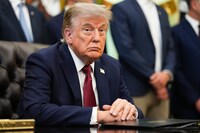
President Donald Trump began the week under the bright lights and golden confetti of the World Cup finale in New Jersey. This event served as a platform for Trump and his administration to highlight the United States’ role in leading and engaging globally. However, the days that followed painted a picture of Trump’s dynamic and often volatile foreign policy actions.
Monday: Escalating Rhetoric and Tariffs
On Monday, Trump escalated tensions with Iran, pledging severe consequences for any harm to American soldiers. This came after a series of exchanges between the two nations, resulting in the deaths of U.S. service members. A truce reached in June unraveled when Iran attacked commercial vessels.
In a post on Truth Social, Trump defended Israeli Prime Minister Benjamin Netanyahu, dismissing calls for his arrest while criticizing Iranian leaders. He stated, “The only ones that should be arrested are the people that led Iran into this unprecedented SPIRAL OF DEATH AND DESTRUCTION.”
Later in the day, Trump’s administration announced a new wave of tariffs on Canadian goods, set to take effect in 30 days. This decision arose after Canada was accused of maintaining “discriminatory” trade barriers against U.S. products.
Tuesday and Wednesday: Heightened Threats
On Tuesday, Trump intensified his rhetoric against Iran, indicating that prior actions were moderate compared to what could come. He emphasized the strength of the U.S. military response.
Wednesday: Strategic Policies and Nuclear Agreements
On Wednesday morning, Trump warned that any Iranian aggression in the Strait of Hormuz would result in significant Iranian infrastructure being targeted. This strait is vital for global oil transport, and its blockade has previously disrupted markets.
During a speech in Georgia, Trump lambasted Iranian leaders for regional unrest and linked them to increasing oil prices, a domestic issue for Republicans before midterms. He optimistically forecasted lower oil prices, urging patience.
The administration unveiled a new nuclear deal with Saudi Arabia, granting the country access to nuclear fuel enrichment. This agreement, contingent on congressional approval, faced criticism from nuclear experts due to its minimal safeguards.
Thursday: Diplomatic Complexities
Thursday saw Trump tie the nuclear deal to Saudi Arabia’s entry into the Abraham Accords, which aim to normalize relations between Israel and Arab nations. This development added complications, as Saudi Arabia has linked formal recognition of Israel to achieving a Palestinian state.
Trump also issued warnings related to Houthi militant actions against Saudi ships, implicating Iran in future incidents.
Friday: Expansive Tariffs and Cautious Diplomacy
As Friday began, new tariffs on dozens of countries were activated. Although portrayed as measures to combat forced labor, critics argue this is part of a wider strategy to diminish U.S. import dependency.
With tariffs in place, Trump turned his attention to China and Russia, cautioning them against providing arms to Iran. In the Oval Office, Trump disclosed ongoing dialogues with Iran, asserting the importance of a thoughtfully crafted deal, stating, “We have to do it right.”
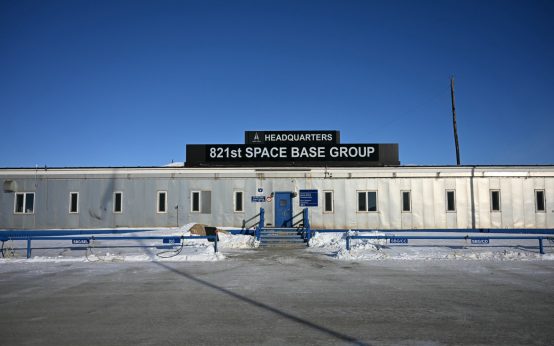 New U.S. Military Bases Planned in Greenland Amid Strategic Security Deal
  Challenges Facing the Supreme Court’s Public Perception
 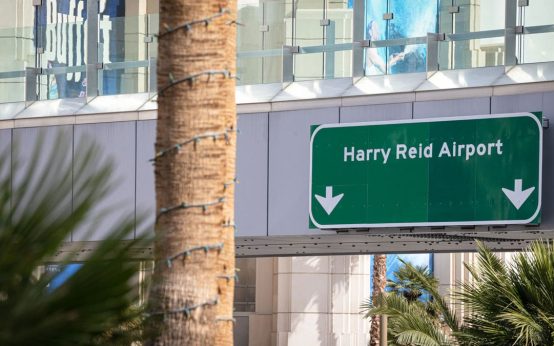 California Democratic Aide Arrested for Visa Overstay by Federal Authorities
 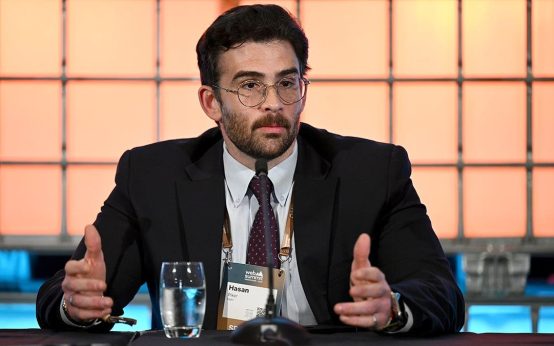 Twitch Streamer Hasan Piker Discusses Controversial Commentary
  Experts Doubt Export Ban Will Lower Fuel Prices
  A Shifting Political Landscape: The Decline of Autocratic Power