School districts across the nation are grappling with declining student enrollment, reduced funding, and the end of pandemic relief funds. These challenges are forcing discussions on school closures and cost-cutting measures. Leaders of both large urban systems and smaller districts face the pressure to consolidate while improving academic recovery for students.
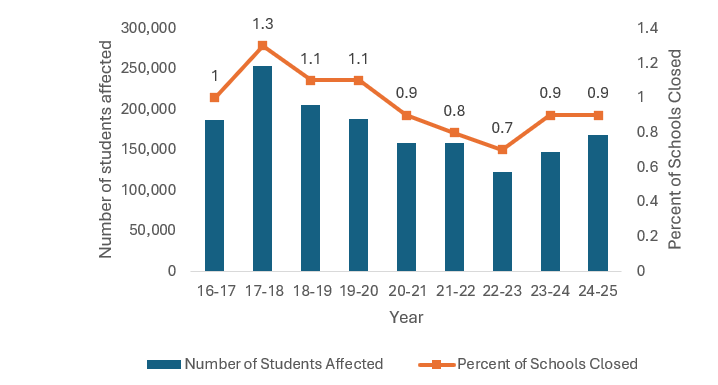
However, school closures often do not affect all communities equally. Research indicates they disproportionately impact Black students and those from low-income backgrounds. These groups already face significant educational challenges, intensified by the pandemic. Over the last decade, about 1 percent of public schools have closed each year, affecting between 100,000 and 250,000 students annually. This is equivalent to displacing the student body of a large school district each year.
The pandemic temporarily reduced closure rates due to paused accountability policies and federal relief funding. Yet, as these supports diminished, closure rates have risen to pre-pandemic levels. The rate peaked at 1.3 percent in 2017-2018, dropped to 0.7 percent in 2022-2023, and recently increased to 0.9 percent in the last two years.
Disproportionate Effects on Black and Low-Income Communities
School closures tend to hit Black and low-income communities hardest. Schools serving these demographics are often targeted for closure. In the 2024-2025 period, schools with a majority of Black students accounted for a quarter of closures, while constituting less than 10 percent of all schools. High-poverty schools display similar patterns.
Enrollment declines do not fully explain these trends. Even with equal student loss, schools with Black students are more likely to close. In high-poverty areas with a 50 percent enrollment drop, closure rates for schools serving Black students double those serving none. These patterns threaten the recovery of students who have already experienced the largest academic setbacks due to the pandemic.
Consequences of School Closures
Closing schools can disrupt relationships, routines, and learning environments. Displaced students often face short-term declines in achievement, especially if they move to schools of similar or lower quality. In cities like Chicago and Philadelphia, research shows displaced students did not make gains unless they transferred to higher-performing schools.
In receiving schools, an influx of displaced students can lead to reduced achievement. Longer commutes for students contribute to higher absenteeism and suspensions. System-level barriers, such as long travel distances and limited transportation, restrict access to better schools, limiting potential academic benefits.
Financial savings from closures can be inconsistent. Studies indicate closures may not achieve cost-saving goals. Long-term disruptions from closures can result in lower test scores, increased disciplinary incidents, reduced high school and college graduation rates, and decreased employment and earnings.
Strategies for Equitable School Closures
District leaders must address the inequities in closure decisions to avoid harming Black and low-income students. Right-sizing strategies should protect neighborhood schools critical to these communities. If closures are unavoidable, they should be handled equitably, transparently, and include community engagement. Ensuring students do not move to lower-quality schools and providing support for receiving schools is crucial.
Policymakers must tackle the root causes prompting closures. Factors such as gentrification, decreased state public education funding, and broader economic patterns lead to lower school enrollment. Leaders should not face these structural issues alone.
Ultimately, closures change children’s lives. While some closures may be necessary, communities should not be burdened disproportionately. Leaders have the choice to protect students’ progress, ensuring those owed the greatest educational support do not sacrifice the most.
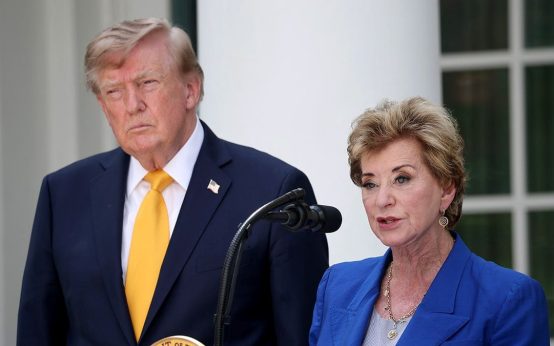 Pressure Mounts on Democratic Governors to Join Trump’s Federal Scholarship Program
 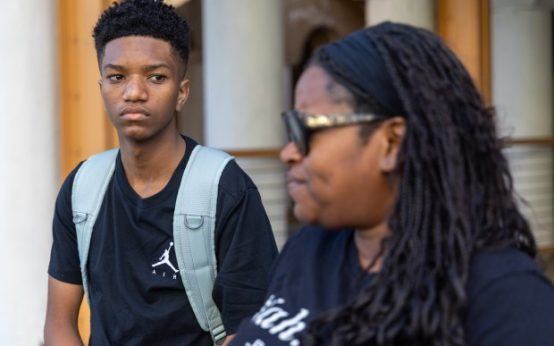 The Ongoing Importance of ‘The Talk’ in Navigating Challenges for Black and Brown Youths
 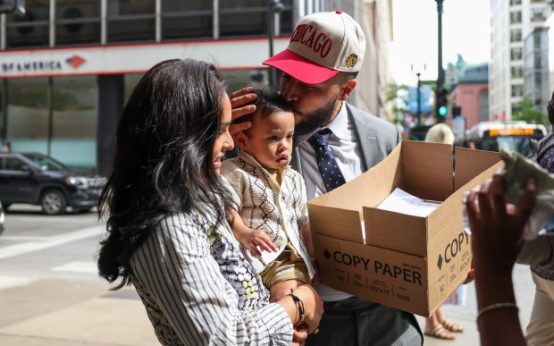 Reopened Investigation Into Education Candidate
  Funding Discrepancies in West Virginia Education
  Concerns Over Eliminating Regents Exams in New York
  Funding Disparities in West Virginia Schools Highlighted by ACLU Lawsuit