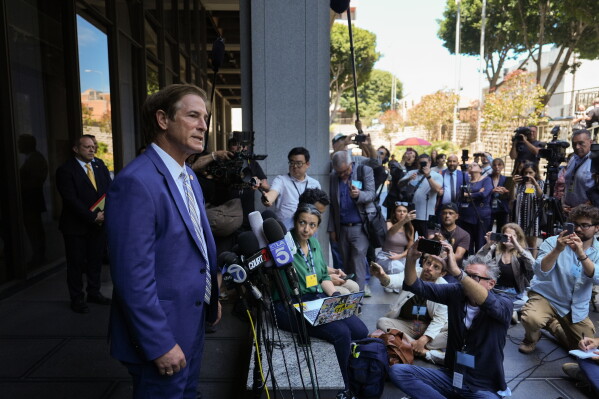
Thousands gathered on a Chicago beach after an Instagram post ignited interest among young people, drawing attention to a growing trend known as teen takeovers. These gatherings, prevalent across the U.S., have sparked concerns among local authorities due to occurrences of theft, vandalism, and violence.
The Rise of Teen Takeovers
Authorities are on alert as social media fuels these events, leading to increased policing and political debates. In Raleigh, North Carolina, over the July 4 weekend, thousands convened, resulting in nine injuries from gunshots, including one adult. Similar incidents unfolded in Pensacola, Florida, with a fatal shooting, and Newport Beach, California, where over 400 arrests were made as teens threw projectiles at police.
Despite the negative outcomes, participants like 18-year-old Damarion Spann argue that these events aren’t accurately portrayed. Restrictions such as curfews or size limits at public venues have made it difficult for teens to gather, a disconnect intensified during the pandemic.
Community and Law Enforcement Responses
Cities and police are actively tracking these trends and identifying organizers. In Detroit, officials claim to have blocked 19 gatherings this year by monitoring online communications. Efforts in Chicago focus on alternatives to police intervention, involving community members in preemptive action. Blue Island, a suburb, fines parents for cleanup costs associated with these gatherings.
Some areas opt for stringent measures, like in Florida, where legal action under racketeering laws targets organized networks behind takeovers. However, critics argue that harsh penalties don’t necessarily deter adolescent participation. Melissa Milchman from the Coalition for Juvenile Justice suggests that youthful risk-taking isn’t influenced by potential consequences.
Member Perspectives on Safe Spaces
Teens like Spann express frustration over a lack of safe gathering places, linking this to historical closures of public spaces in Black neighborhoods. Restrictions, discrimination, and fears of violence contribute to challenges in socializing. Psychologist Jeffrey Bernstein notes the emotional pull of these events, as kids find familial connections among peers.
Cities like St. Louis and Baltimore are attempting to provide alternatives, with programs directing teens to community centers instead of jails. In Chicago, Spann received funding to host a summer event, aiming to create more communal spaces.
Proactive Measures from Cities
Detroit teen Daveion Page leveraged social media for a takeover, unintentionally leading to violence. Although his intention was innocent, the aftermath prompted city officials to rethink approaches. Detroit launched a youth affairs office, engaged students, and formed an advisory board to understand youth needs. Initiatives also include a late-night basketball league, providing jerseys and sneakers as alternatives to risky gatherings.
Cameron Chandler, who joined the basketball league, reflects on his experience near a takeover, witnessing arrests and police presence. “You just have to think, ‘that could easily be me,’” he said, emphasizing the value of safe alternatives.
 Austin Police Release Footage of Arrest After ICE-Involved Shooting
 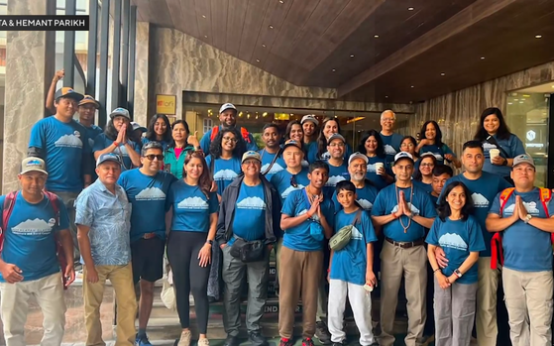 Himalayan Pilgrimage: A Couple’s Narrow Escape and Lingering Questions
  Religious Trends: Decline in Affiliation with LDS Church
 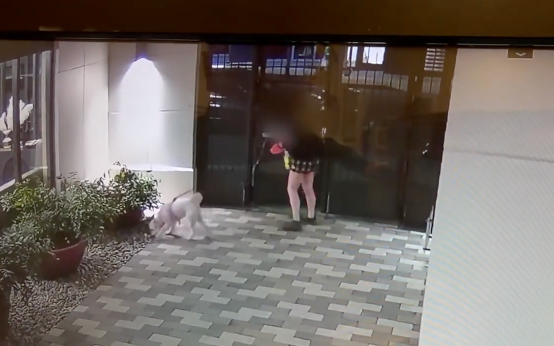 UC Berkeley Student’s Harrowing Encounter Raises Questions About Safety and Legal Protections
 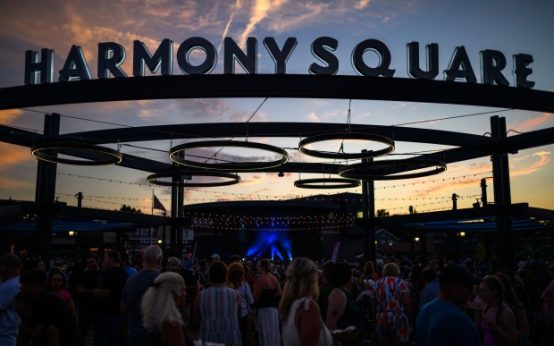 Tinley Park Updates Downtown Parking Rules Amid Increased Congestion
  Upcoming VA Disability Payment Dates and Qualification