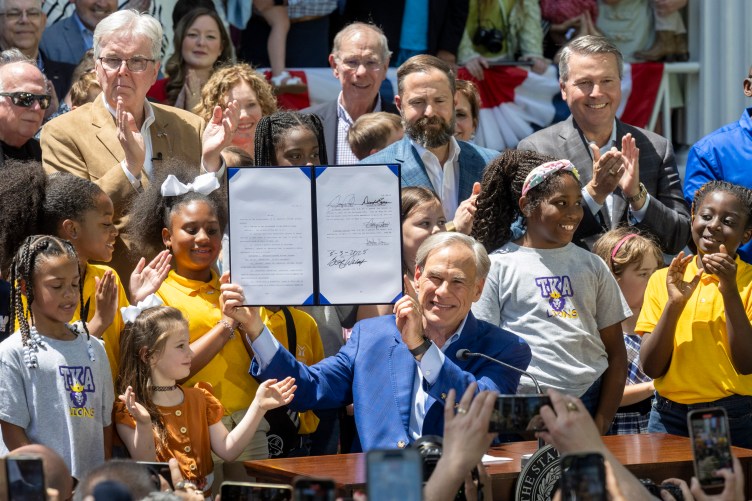
The educational landscape in Texas is experiencing significant changes. The introduction of a new voucher program allowed about 110,000 of Texas’ 5 million-plus students to attend private schools with taxpayer funding. This move was part of Governor Greg Abbott’s broader educational reform strategy. However, newly elected Texas Governor Gina Hinojosa plans to undo these policies. She aims to dismiss the Texas Education Agency Commissioner Mike Morath and stop the takeover of public schools. A central part of her agenda includes eliminating the school vouchers introduced under Abbott.
Voucher Program Under Scrutiny
Governor Abbott implemented the voucher system, channeling $1 billion towards allowing parents to use public money for private school tuition. While the program was supported by some, including Republicans in favor of school choice, it faced pushback, especially in rural areas. Many rural Texans saw vouchers as a threat to their community schools.
Former State Senator Sarah Eckhardt, now in charge of overseeing the program, has expressed intentions to increase transparency and accountability. Despite her position, she has noted that any major changes would require legislative approval.
Political Shifts and Voter Concerns
Recent elections saw Democrats gaining ground in traditionally Republican areas. Criticism of the voucher program and other education-related concerns played a crucial role. Voters in rural and suburban districts resisted the voucher initiative fiercely. In these areas, Republican candidates who supported vouchers frequently lost to Democrats.
Analyses indicated that Governor Abbott’s firm stance on vouchers alienated some of his traditional supporters. Republicans, previously endorsed by Abbott, lost crucial seats or faced tight races against Democrats who criticized the voucher system. The sentiment among these communities was that the current policies needed reevaluation.
Future of the Voucher Program
Zack Dunn, a Democrat recently elected against a pro-voucher candidate, stressed public education as a top priority among voters. Dunn advocates for the repeal of the voucher program, citing the necessity to fully fund public schools. In his view, accountability in how taxpayer money is spent on education remains crucial.
Eckhardt, newly positioned as state comptroller, intends to audit spending related to the voucher program. Her goal is to provide clarity on how funds are being allocated. Past administrations withheld such data, citing privacy concerns.
Republican Senator Paul Bettencourt, who was instrumental in passing the voucher legislation, suggests a review of the program should consider the actual outcomes from recent school years. He notes mixed reactions, including discontent from some parents seeking special education services.
The conversation surrounding Texas’ voucher program reflects a broader debate on public versus private education funding. The trajectory of these policies will depend greatly on forthcoming legislative discussions and public opinion.
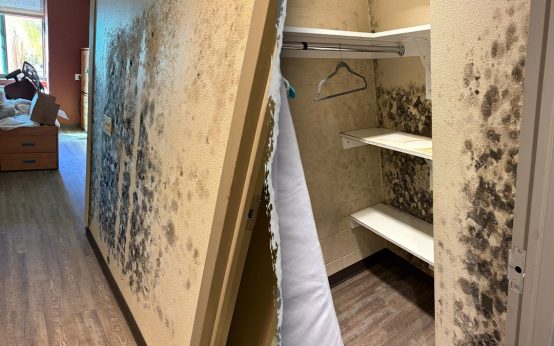 Efforts to Reform Military Barracks
 School Honors Custodian Marilyn Hampton by Naming New Facility After Her
 Recovery of Missing Man’s Body at Colorado’s Black Canyon
 Zoo Miami Employee Hospitalized After Possible Opioid Exposure
 Arrest Near White House Following Threat Against President
 Man Fatally Stabbed in D.C. Public Library