The Dual Nature of Online Content
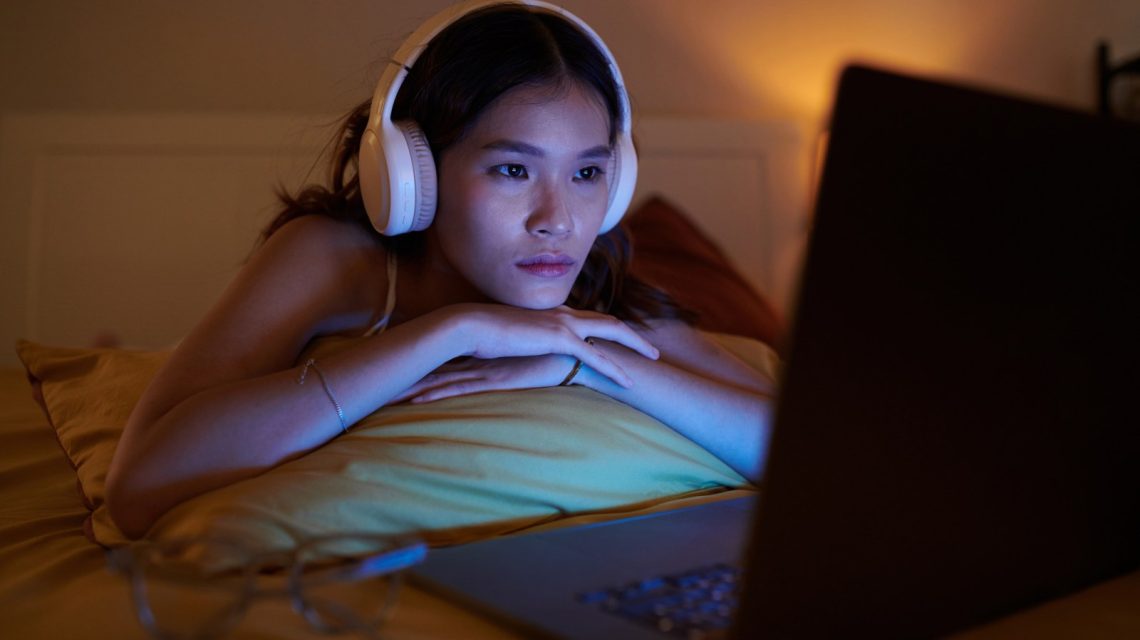
Generation Z often faces discussions about exposure to distressing content through social media. They have grown up constantly seeing news of war, injustice, and suffering. However, experts are now also focusing on the effects of viewing positive content online. This includes people’s achievements, victories, and highlights. This creates a swinging effect of experiencing extreme content highs and lows. Such a frequency of exposure is new for Gen Z.
Challenges of Social Comparison
Recent investigations link poor mental health to social comparison among Gen Z. Social media platforms contribute heavily to this. Sites like TikTok, LinkedIn, YouTube, and Instagram make it easy to follow people barely known personally. Users see their personal achievements and feel closer to celebrities, influencers, and the wealthy.
The ‘Success Olympics’
The importance of this trend is significant. In 2024, 60% of surveyed Gen Zers spent over four hours daily on social media. 22% spent more than seven hours. Besides online activity, real-world changes increase this cohort’s feelings of inadequacy.
Luxury brands are now more accessible. Chanel and Dior, once elite brands, are now part of the middle-class market. Ordinary activities become branded as ‘status symbols.’ Gen Z faces increased work stress and struggles to disconnect from smartphones. Many see others seemingly live lives full of success and wealth, leading experts to worry about the mental health implications.
Psychiatry experts highlight the impact of success exposure on social comparison. Dr. Ashwini Nadkarni of Harvard Medical School explains that this success exposure alters self-assessment. Psychotherapist Prudence Leung notes the blurred line between acquaintances and celebrities for Gen Z. Consequently, many report stress from idealized online images.
Expectations are changing. An EduBirdie survey found 38% of Gen Z aspire to earn over $100,000 by age 30. This mirrors daily online exposure to rapid success stories. Platforms convey self-improvement as effortless, pressuring users to optimize life constantly. This fosters feelings of inadequacy.
Alarming Mental Health Data
The statistics support these observations. A 2025 poll by Blue Sky and Children Now revealed that 94% of Gen Z reported monthly mental health challenges. Deloitte’s research showed that 40% experience frequent stress or anxiety.
Gallup’s data noted a 14-point drop in ‘excellent’ mental health ratings among Gen Z since 2019. Harvard’s Global Flourishing Study reported Gen Z’s low well-being compared to other generations. A 2020 study connected social media use with depression and anxiety, highlighting the link between online comparison and distress.
Comparison Culture and Emotional Impact
Three years after the study, the Cybersmile Foundation reported widespread self-comparison among Gen Z. 89% compared themselves to others, with 59% doing so daily. A staggering 93% felt pressure to compare aspects like body and lifestyle, and 96% experienced emotional effects.
Therapist Jennifer Lancaster notes people often assess themselves against others’ highlights. This leads to misunderstanding, as they compare personal struggles with curated successes.
Chronic comparison affects the nervous system. It activates a persistent threat response, keeping individuals in a constant state of measurement and anxiety. Effective approaches work beneath cognitive levels, building awareness beyond the mind. Practices like EMDR help address the deeper beliefs influencing comparison, reducing urgency in personal metrics.
Contact Newsweek editors on this story: Marc Vargas and Emma Lee-Sang.
 Protecting Your Finances from Increasing Cyber Threats
  Nvidia CEO Jensen Huang Talks AI, U.S.-China Competition, and Data Centers
  Life at Kasimedu Fishing Harbour: A Glimpse into the Daily Struggles and Triumphs
  Legal Battles Over Sports Betting and Addiction Claims
  Increased Use of GLP-1 Medications Among Young Adults: Examining Trends and Concerns
  Lisa Fasone’s Journey Through Prolactinoma and New Parenthood