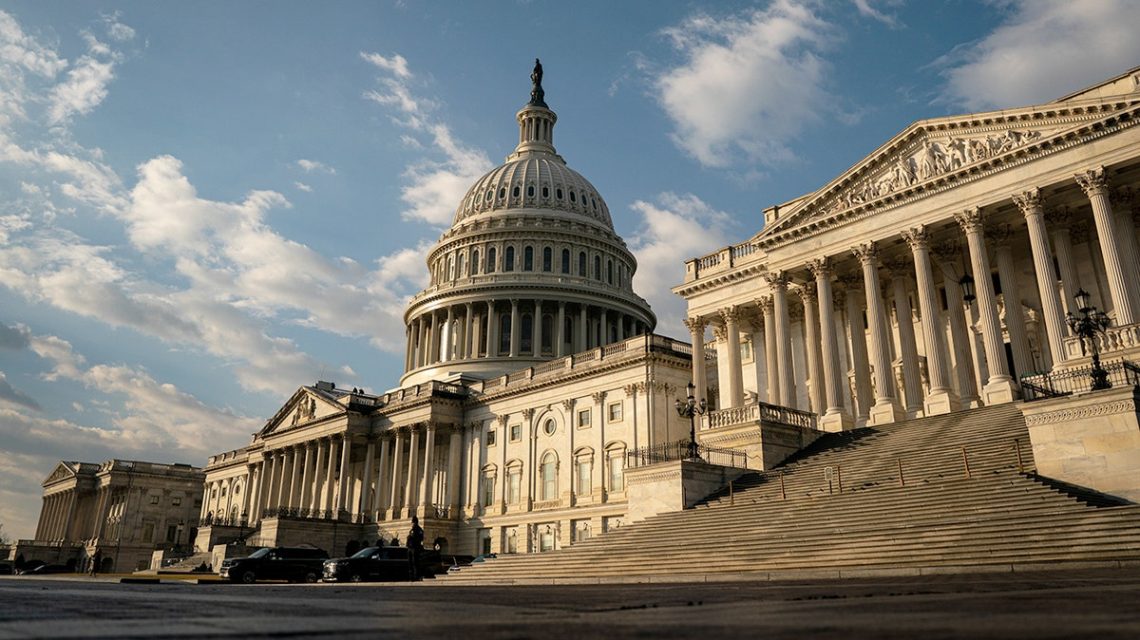
Republican Strategy for Midterms
As the midterm elections approach, the Republican strategy focuses on associating Democrats with the Democratic Socialists of America (DSA). Evan Power suggests that this connection could benefit Republicans, particularly in states like Florida. Conversely, Morgan Harper believes the Democratic base is more concerned with candidates who support strong economic populist agendas.
Current Political Landscape
The upcoming 2026 midterm elections are a mere 100 days away. Republicans currently hold narrow majorities in both the House and Senate. They have a 218-212 lead in the House and a 53-47 advantage in the Senate, including independents who align with Democrats. With every House seat and 35 Senate seats up for grabs, Democrats require a net gain of six House seats and four Senate seats to recapture control.
Party Strategies and Polls
The Fox News Power Rankings indicate that Republicans face challenges ahead. Historical trends often favor the party not in power during midterms. However, redistricting victories in states like Florida and Texas provide some advantage. A Fox News poll reveals significant voter dissatisfaction, with economic strain being a top concern.
“We are in a prime position to win in November,” says Republican National Committee Chair Joe Gruters.
Meanwhile, the Democratic Congressional Campaign Committee emphasizes economic issues in its messaging. Their spokesperson highlights the financial burdens Republicans impose on Americans, asserting that voters are tiring of the negative impacts of current policies.
Senate and House Battles
In the Senate, Republicans aim to retain seats in key battleground states such as Alaska, North Carolina, Ohio, and Maine. The infusion of campaign funds into these areas is already substantial. Democrats seek to leverage voter discontent with economic and geopolitical issues.
The Democratic Party grapples with the rise of socialist candidates, putting pressure on establishment leaders. Polling data shows varying opinions on capitalism and socialism, with Republicans favoring the former and Democrats more inclined towards the latter.
Regional Dynamics and Financial Stakes
Republicans intend to exploit socialist gains in places like New York City, warning against policies they label as harmful. The National Republican Senatorial Committee spokeswoman argues against the Democrats’ spending initiatives, promoting a pro-affordability agenda.
The RNC holds a financial edge as the election nears. Their cash reserves significantly exceed those of the DNC, despite the latter investing heavily in groundwork and state party support. This financial disparity is a key factor as both parties prepare for the imminent political battle.
Governors’ Races
Beyond Congress, governorships are also contested. Republican governors currently outnumber Democratic counterparts, but 36 states will elect governors. These races carry implications for future legislative and administrative agendas.
Democratic Governors Association Chair Andy Beshear underscores the critical nature of these races, while his Republican counterpart contrasts the parties’ records on fiscal management and crime rates.
Voter Sentiment
Poll results suggest a desire for significant change among voters, which may favor Democrats. Dissatisfaction with current leadership, alongside issues like economic management and healthcare, are pivotal. Additionally, more Democrats express motivation to vote, indicating potential momentum leading into the elections.
 Concerns in U.S.-China Relations Ahead of Summit
  German Chancellor Friedrich Merz Vows to Continue Amid Election Losses
  Nikole Hannah-Jones Reflects on School Choice and Its Impact
 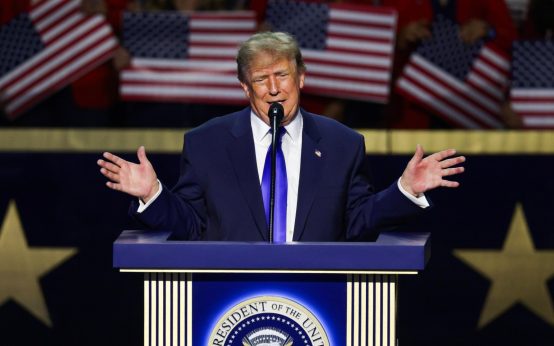 Republican Senator Criticizes Trump’s $5,000 Check Proposal
  Trump’s Approach to Iran at the United Nations
  Trump’s Triumphal Arch Controversy