The United Nations Educational, Scientific and Cultural Organization (UNESCO) has expanded its World Heritage List. Recently added are Normandy’s D-Day beaches, Greece’s Mount Olympus, and several other significant locations. The decision took place in Busan, South Korea, where the World Heritage Committee reviewed numerous global nominations.
Normandy’s Historic Beaches
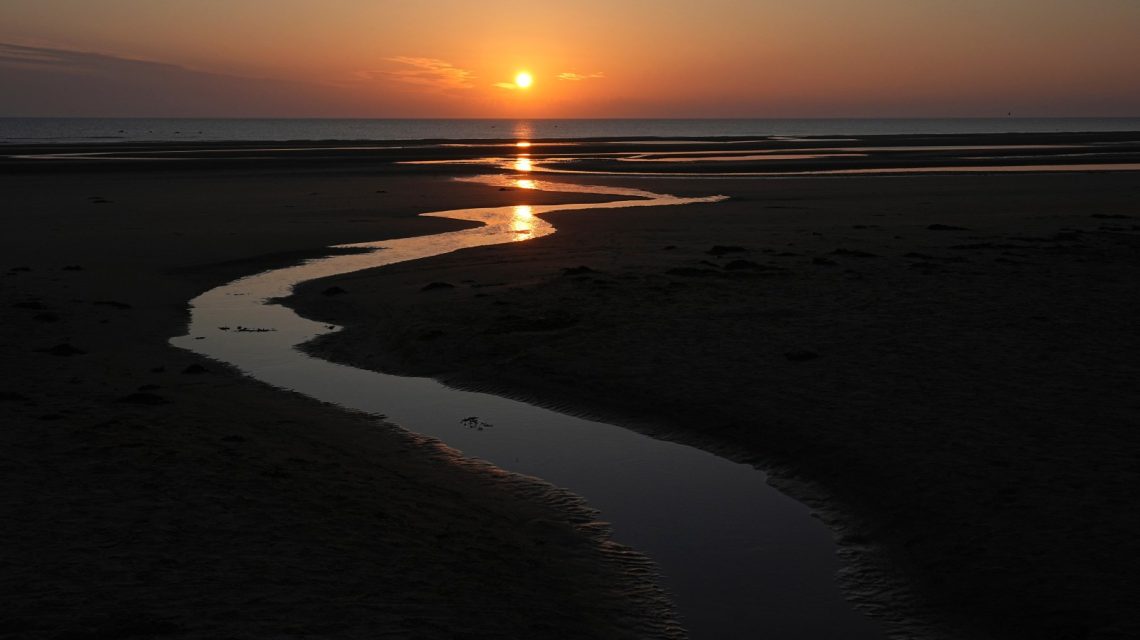
The Normandy landing beaches and Pointe du Hoc now join the prestigious list. These sites memorialize the D-Day invasion when over 150,000 Allied troops began liberating Nazi-occupied Europe on June 6, 1944. This operation played a critical role in shaping modern history.
The International Council on Monuments and Sites (ICOMOS) acknowledged the significant historical remnants, like German defenses and Allied harbor structures, present at these beaches. However, ICOMOS noted the preservation challenges posed by tourism, climate change, and nearby developments.
France’s delegate to UNESCO, Ahlem Gharbi, highlighted the importance of this recognition, especially in times of global conflict. Historian David Edgerton emphasized the historical impact of the Normandy landings.
Mount Olympus: A Cultural and Natural Icon
Mount Olympus, Greece’s highest peak and the mythological home of the Olympian gods, has received its long-deserved recognition. The site is known for its ecological diversity and mythical significance.
Local Greek officials, including the mayor of Dion-Olympus, noted the importance of balancing conservation efforts with tourism management. Greece’s UNESCO delegate expressed the country’s dedication to preserving this iconic mountain.
Japan’s Ancient Capitals Join the List
UNESCO also added Japan’s ancient capitals, Asuka and Fujiwara, located in Nara Prefecture, to the list. These archaeological sites, dating back to the sixth century, reveal early state development in Japan inspired by Chinese models.
Japan’s Vice Culture Minister and Prime Minister acknowledged the significance of this recognition, with hopes it will attract more visitors.
Nara University professor Yoshiyuki Aihara emphasized the archaeological value of these sites, offering insights into Japan’s early state formation.
South Sudan Celebrates First Heritage Site
The Boma-Badingilo Migratory Landscape in South Sudan became the nation’s first World Heritage Site. This region hosts large migrations of land mammals and supports diverse wildlife, including elephants and lions.
UNESCO stated that the recognition could enhance conservation efforts in South Sudan, providing international support to address environmental and economic issues.
The Impact of World Heritage Status
UNESCO World Heritage status is highly esteemed worldwide. Although it doesn’t directly offer funding, the designation helps raise awareness, boost tourism, and promote conservation.
This year’s additions showcase the organization’s wide-reaching mission, from historical events like the Normandy landings to mythical and ecological sites. As the committee continues its meeting, more sites may soon be added to the World Heritage List, increasing the challenge of preserving these valued locations for future generations.
For inquiries regarding this story, please contact Newsweek editor Anthony Murray.
 Trump Delivers Warning to Iran, Cuba at UN General Assembly
  Lukashenko and Putin’s Unique Relationship and Belarus’ Strategic Role
  Alan Ritchson Faces Backlash Over Political Remarks
  Himalayan Pilgrimage: A Couple’s Narrow Escape and Lingering Questions
  Artistic Chronicle of Communities’ Recovery Post-Hurricane Helene
  Former CEO Sentenced for Bank Fraud and Sanctions Evasion