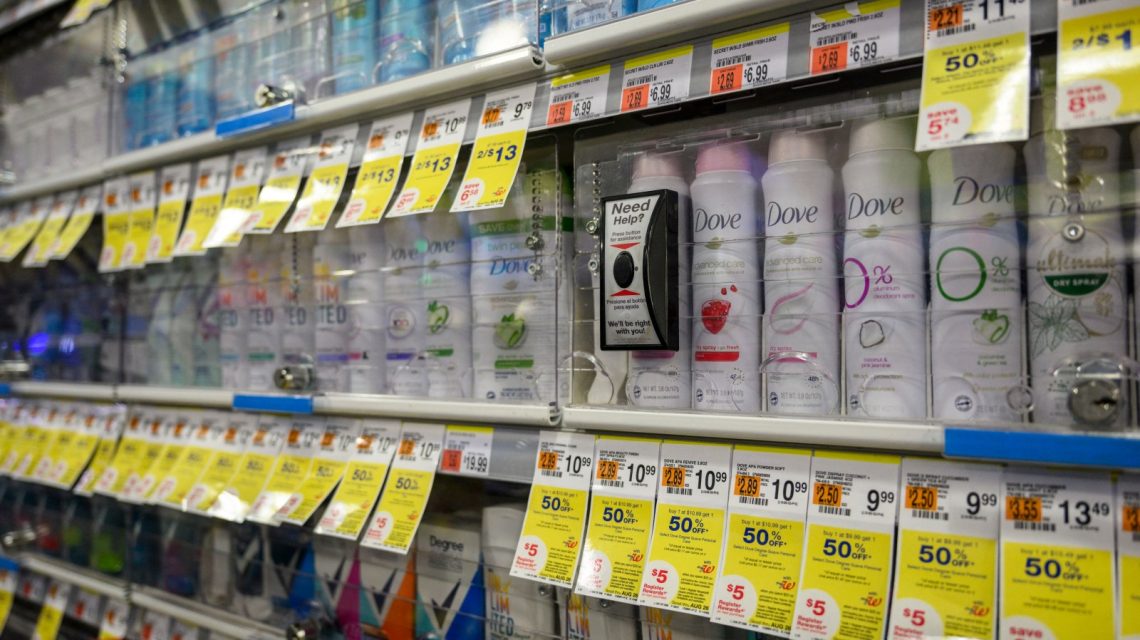
Increasing Incidence of Shoplifting
A recent survey by LendingTree reveals a notable rise in shoplifting among Americans. Nearly 12 percent of the population admits to shoplifting regularly, a significant increase from two years ago. Interestingly, fewer individuals now cite financial necessity as their primary reason for stealing.
In 2024, only 6.1 percent claimed to shoplift regularly. By 2026, this figure grew to 11.5 percent. The spike in shoplifting was especially marked among men and parents with children under 18.
Changing Motives Behind Shoplifting
Findings indicate a shift from economic necessity to a behavior influenced by attitudes toward capitalism. Kevin Thompson, CEO of 9i Capital Group, suggests that shoplifting might be seen as a protest against corporate power.
Survey data show a decline in the percentage of people who shoplift due to high prices. In 2024, 33.9 percent stole because they couldn’t afford items, dropping to 19.1 percent in 2026. Similarly, those shoplifting to ‘make ends meet’ or ‘save a few dollars’ also decreased significantly.
Perceptions and Impact of Inflation
Despite decreasing inflation rates, many still relate shoplifting to economic pressures. In the 2026 survey, 89.6 percent of participants linked shoplifting to current economic conditions. Likewise, 80.3 percent agreed inflation heightened the likelihood of stealing.
Michael Ryan of MichaelRyanMoney.com notes that tough times lead people to rationalize shoplifting as a survival tactic.
Commonly Stolen Items
The surveys highlight the most frequently stolen items. In 2026, food and nonalcoholic drinks topped the list, followed by clothing, accessories, and personal hygiene products. Parents also admitted to stealing for their children, such as baby products and school supplies.
Challenges for Retailers
Retail theft heightens operational costs and drives store responses with increased security measures. In 2026, 47.6 percent of shoplifters had been caught previously, with some facing arrest, fines, or bans from stores.
Despite the rising trend, public opinion on enforcing stricter shoplifting penalties remained steady, with over 60 percent supporting tougher measures.
Future Implications
The rise in habitual shoplifting calls for continued vigilance by retailers. While economic pressures have eased, changing attitudes toward theft pose new challenges. For consumers, enhanced security can affect the shopping experience. Experts highlight the broader impact on customer convenience and store policies.
 Air Traffic Communication Issues Disrupt Northeast Flights
 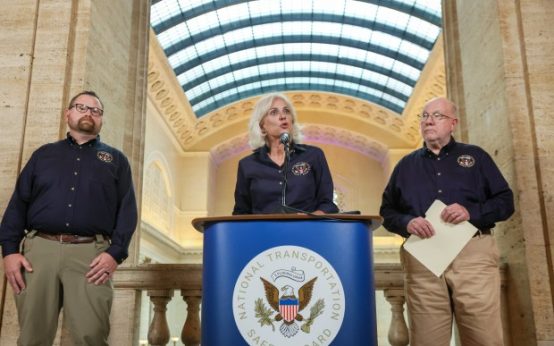 National Railroad Safety Campaign Launches in Chicago
  Zohran Mamdani Faces Backlash Over Columbus Day Parade Invitation
 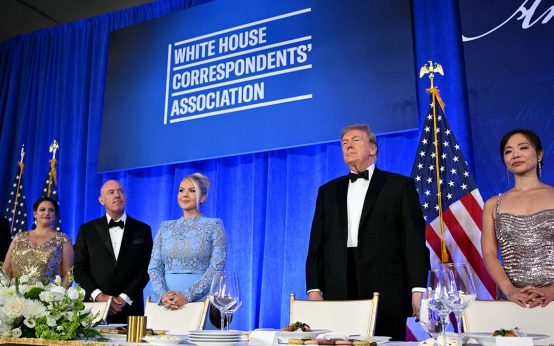 Details Emerge on Trump’s Response During WHCA Dinner Incident
 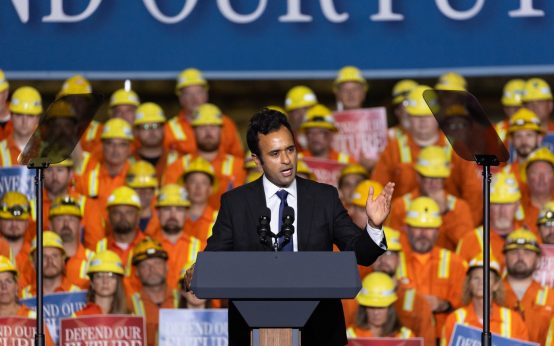 Ohio Governor Race: Ramaswamy’s Chances Decline on Prediction Markets
  FAA Ground Stops, Paramount Settlement, and ICE Shooting Incident