
States with fewer childcare regulations tend to exhibit a smaller discrepancy between the number of children residents wish to have and the number they actually do. This observation comes amidst findings that American women generally have fewer children than they aspire to. A pertinent study reveals that the average difference between the desired number of children and the actual number of children U.S. women have is 0.76, nearly equating to one child.
This fertility gap, however, is not uniform across the United States. Significant variations exist, with North Dakota showing a gap significantly smaller at one-third of a child. In contrast, the gap exceeds one child in states like New Hampshire, Rhode Island, and Alaska.
These insights are part of urban policy analysis published by the Manhattan Institute’s City Journal, authored by Anna Claire Flowers, Vincent Geloso, Clara Piano, and Lyman Stone. The article delves into the intricate socio-economic factors affecting fertility rates, including childcare regulations.
 House Bill Aims to Enhance Benefits for Combat-Injured Veterans
 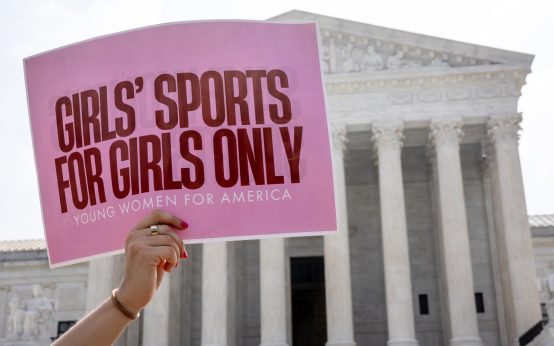 Debate Over Transgender Athletes Shapes Political Strategies
 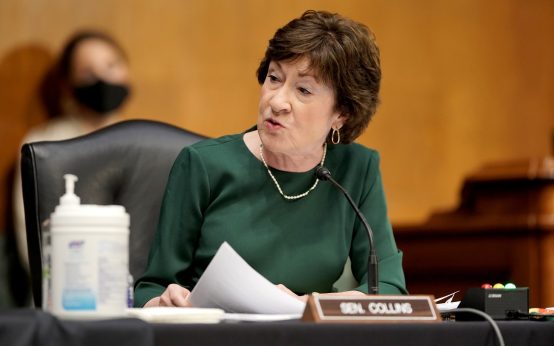 Collins Battles Trump Administration on NIH Grant Control
  U.S. Appeals Court Supports New Missouri Congressional Map
  GOP Candidates Call to End Iran War Amid Rising Fuel Costs
  Trump Administration Seeks to Influence NIH Grantmaking