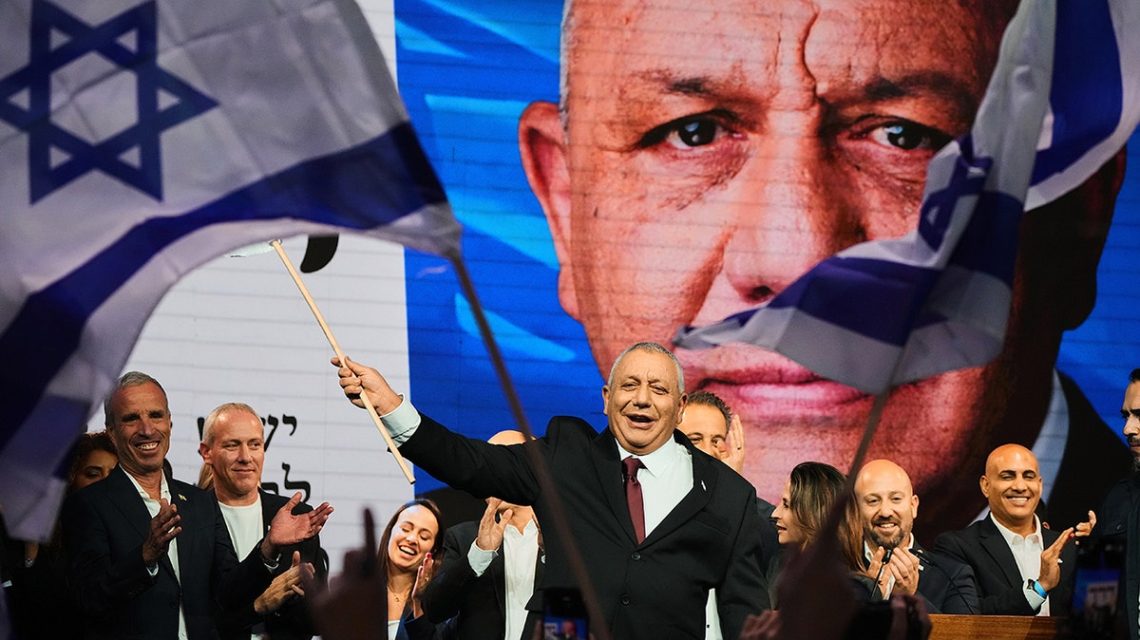
Chief correspondent Jonathan Hunt reports from Tel Aviv on the complex coalition talks following inconclusive elections. Political leaders meet with President Isaac Herzog as Benjamin Netanyahu and rival Gadi Eisenkot try to secure support to form a government.
President Isaac Herzog has asked opposition leader Gadi Eisenkot to attempt forming the next government. This decision, announced on November 7, marks a crucial step in the political process, with the formal mandate presentation set for November 8.
Eisenkot has 28 days to establish a governing coalition. He may request a 14-day extension if needed. This development could potentially end Netanyahu’s leadership, sparking intense negotiations among parties that seek to replace him.
Initial consultations with the newly elected parliament reveal that Herzog’s decision to nominate Eisenkot follows endorsements from factions representing 67 out of 120 Knesset members. Meanwhile, Netanyahu’s Likud party, despite being the largest single party, received the backing of only 46 lawmakers.
The outcome of consultations may seem clear, but competing political demands make government formation uncertain.
The challenge for Eisenkot lies in transforming the endorsements into a workable coalition. Although his support base appears strong, key disagreements among potential coalition partners remain, largely concerning reliance on Arab parties like Joint List and Ra’am.
Eisenkot has proposed a National Emergency Government. This initiative focuses on four core principles: recognizing Israel as a Jewish and democratic state, adhering to Israel’s Declaration of Independence, implementing universal service, and acknowledging Hamas as a terrorist organization.
Despite his proposal, internal differences persist. Avigdor Lieberman’s willingness to compromise on military conscription for ultra-Orthodox Jews may open avenues for negotiation with parties like United Torah Judaism.
The conscription debate is a major hurdle. Ultra-Orthodox parties seek exemptions for yeshiva students, while Eisenkot campaigns on expanding conscription. Bringing parties like United Torah Judaism into Eisenkot’s coalition is vital for achieving a majority.
An alternative considered is a minority government relying on abstentions from outside the coalition. However, Lieberman rejects any plan dependent on Arab support.
As the situation stands, Netanyahu maintains his role as caretaker prime minister amid ongoing political negotiations. He contests aspects of the election outcome, citing possible voting irregularities, though Israel’s Central Elections Committee states the election’s integrity remains intact.
The challenge for Eisenkot is transforming broad parliamentary endorsement into a functioning administration. Failure to reach a consensus might lead to extended political deadlock and another election.
Efrat Lachter, an experienced reporter for Fox News Digital, covers global affairs and political accountability. Her work includes documenting conflicts and crises across various continents.
 Insights into Political Developments and Electoral Dynamics
 Senator Ron Johnson Critiques Trump Administration’s Alleged Corruption
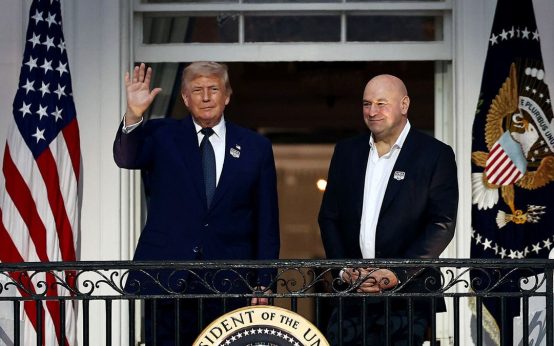 Inside the High-Stakes Role of White House Press Secretary
 Texas Cities Reform Law Enforcement’s ICE Interaction Post-Election
 Sen. Van Hollen Questions Schumer’s Leadership, Houston’s Changes in ICE Cooperation, and Holiday Shopping Trends Amid Inflation
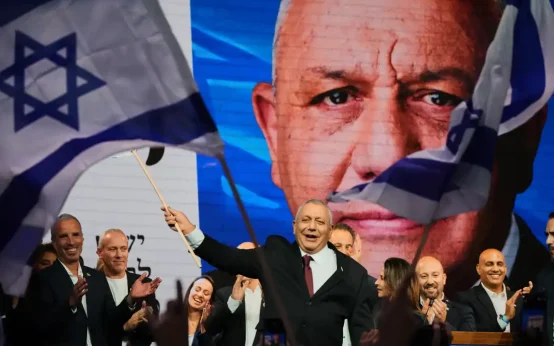 Eisenkot to Form New Israeli Government as Netanyahu Faces Setback