Wildfire Threats to Historic Sites
Research by the University of California, Santa Barbara’s National Center for Ecological Analysis and Synthesis (NCEAS) shows that over half of the sites listed on the U.S. National Register of Historic Places face wildfire risks. The study assessed all mappable sites on the Register using high-resolution wildfire burn probability models and identified 3,446 sites as facing severe risks out of 100,117 examined.
The findings reveal a critical threat to cultural heritage. These sites, many of which hold national significance, are vulnerable to wildfires that have ravaged regions across the United States.
Recent Devastation
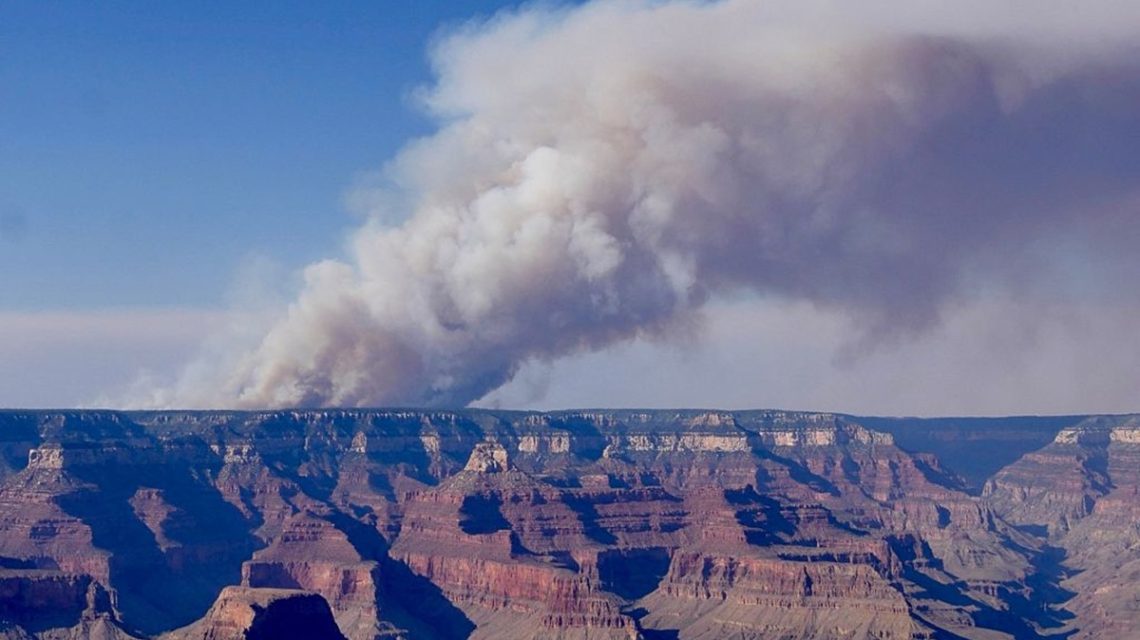
Recent wildfires have destroyed significant landmarks. The Palisades Fire in Los Angeles in January 2025 destroyed the Will Rogers Ranch House. The Eaton Fire wiped out the Andrew McNally House. The Dragon Bravo wildfire burned through Grand Canyon National Park, demolishing the historic Grand Canyon Lodge.
In these cases, the original structures were destroyed, raising uncertainty about potential restoration efforts.
These historic places are vital to community identity and collective memory. Their destruction means an irrevocable loss, unlike typical residential buildings, according to Caitlin Fong from NCEAS.
Structural Vulnerabilities
Kevin Feak, a licensed fire protection engineer, noted the heightened risks for historic sites due to factors like combustible roofs, open eaves, and aging materials. Embers can ignite these features, leading to fires.
Researchers highlighted concentrated risks in the western United States, as well as emerging hotspots in southeastern and south-central regions. This distribution aligns with historic patterns of wildfire-related losses, notably in California, Oregon, and Colorado.
The study found that 90% of the listed resources are historic buildings and districts, which face unique challenges due to their immovable nature and cultural significance linked to their physical structures. Mitigation efforts should include vegetation management, structural hardening, and enhanced suppression capacity.
Climate Change and Wildfire Risk
Researchers warn that climate change is expected to worsen wildfire threats. Increased temperatures, drought frequency, and extreme fire weather can expand risk zones, affecting cultural heritage sites. Shifting dynamics might demand future mitigation measures.
Broader wildfire research supports these findings, with reports indicating intensifying fire weather in Mediterranean-style ecosystems, western North America, and boreal forests. Climate projections suggest increasing wildfire occurrences and intensity.
A February 2026 study in Nature Communications noted growing concerns about megafire frequencies. Climate change can alter vegetation and landscape flammability, raising fire risks.
These trends could profoundly impact historic landmarks. National cultural treasures might increasingly face threats as wildfire patterns evolve.
References
- Farnisa, M. M., Halpern, B. S., Fong, C. R., et al. (2026). Wildfire Risk to United States Cultural Resources. Scientific Reports. [Link](https://www.nature.com/articles/s41598-026-52407-9)
- Thapa, S., Maraseni, T., Apan, A., et al. (2026). Escalating Wildfires in a Warming World: A Systematic Review of Climate Change Influence on Fire Regime. Environmental Research: Climate. [Link](https://iopscience.iop.org/article/10.1088/2752-5295/ae7b75)
- Haas, O., Prentice, I. C., Harrison, S. P. (2026). Wildfires on a Changing Planet. Nature Communications. [Link](https://www.nature.com/articles/s41467-025-68176-4)
 Helicopter Crash Claims Lives of Two Firefighting Pilots in Yosemite
  The Discovery of Incendiamoeba cascadensis: A Fire Amoeba
  Archaeological Discovery in Germany: Largest Hoard of Roman Coins Found
  Cold Weather Alerts and El Niño Influence
  Turning Home Food Waste into Compost: A Guide
  Chicagohenge: When Sunlight Aligns with City Streets