
Recent midterm elections brought major shifts in Texas politics. For the first time in 32 years, Texas Democrats secured significant victories. They captured eight statewide positions, including the governor’s seat. Gina Hinojosa defeated incumbent Greg Abbott. Democrats also won the lieutenant governor, attorney general, comptroller, and other key offices. They now control the Texas House of Representatives.
These changes signal a shift in political dynamics, not just in Texas but nationally. Texas, traditionally a Republican stronghold, now presents opportunities for the Democratic Party. The change is significant with a Latina governor steering Texas.
An important factor in these sweeping changes was the U.S. Senate race. James Talarico triumphed over Ken Paxton, a historically controversial figure, with a landslide victory. Despite Trump’s endorsement, Paxton’s corruption record alienated voters. Talarico won with 5.4 million votes, more votes than any candidate in Texas’ history, including presidential elections.
Talarico’s improbable victory surprised many, including seasoned political observers. He ran a highly effective campaign, focusing on Paxton’s ethics issues with impactful and memorable ads.
Elon Musk, a prominent Texas resident, invested heavily in Republican campaigns, including Paxton’s, contributing $168 million through PACs. In all, Musk spent over $445 million on Republicans, yet the Democratic sweep, or what Senator Ted Cruz called the “blue tsunami,” prevailed.
Musk, who relocated Tesla’s headquarters to Texas seeking a better business climate, now faces a more challenging political landscape. New policies on data centers, as proposed by Hinojosa, may affect Musk’s enterprises. Potential new regulations could change how Musk’s companies operate in Texas.
The midterm election outcomes have national implications. Democrats hold the U.S. House and Senate. Texas’ shift could bolster Democrats’ chances in the 2028 presidential election. Historically, Texas has backed Republican presidential candidates since Jimmy Carter in 1976, but this may change.
A significant component of this change is the Latino vote. The number of Latino voters has risen, with nearly 6.3 million eligible to vote. Latinos represent 32% of Texas’s electorate, a factor that heavily influenced the midterms. Gov.-elect Gina Hinojosa, fluent in Spanish and embodying many American dream narratives, can motivate even more Latino voter participation.
Hinojosa’s role will thus prove vital for Democrats beyond Texas. If Democrats can rely on electoral votes from both California and Texas, it enhances their overall strategy for future presidential elections.
Additionally, recent analysis from Karl Rove, a Republican strategist, points to Trump as a detriment to Republican success. Rove criticized Trump’s distracting tactics that hurt Republican messaging and contributed to electoral losses.
Texas’ results reflect broader national trends, showing Democratic potential beyond the traditionally Republican base. The state’s evolving demographics and changing political tides could redefine national politics.
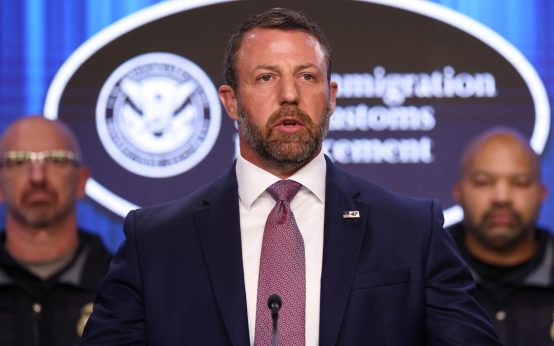 Homeland Security Secretary Markwayne Mullin on Immigration Policy
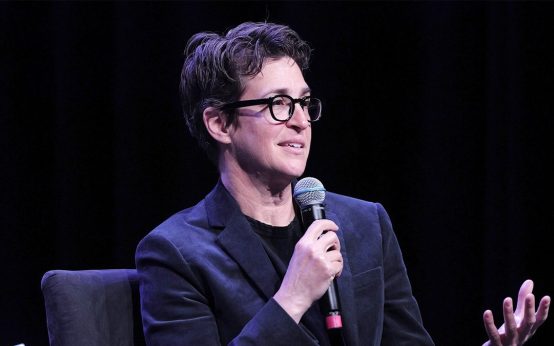 Rachel Maddow’s Concerns on Immigration Detention Centers
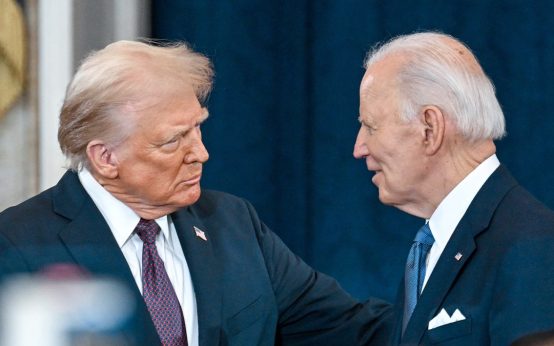 Biden’s Memoir Reveals Unexpected Letter from Trump
 Maria Elvira Salazar Secures Win in Florida’s 27th District
 Kennedy Family Opposes Trump’s Proposed Arch Near Arlington Cemetery
 Turning Point USA Spokesman Advocates Against Political Violence Amid Controversies