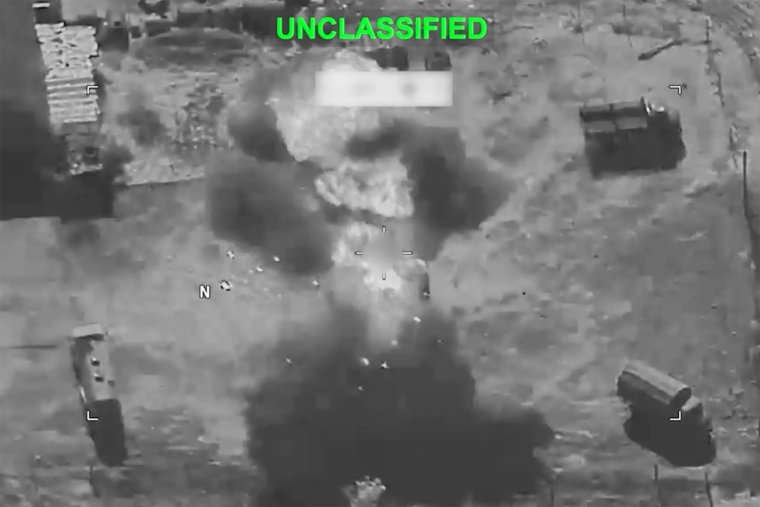
On July 30, 2026, Iran vowed to retaliate against the United States following American military strikes overnight, described as a ‘heavy wave of strikes’. This action was in response to an Iranian attack on U.S. forces in the Middle East. This escalation broke a recent period of relative calm during which both nations were attempting to revive diplomatic efforts and prevent further conflict.
President Donald Trump reacted strongly to Iran’s assault on a U.S. base in Jordan. He announced that the United States would respond severely. The Iranian Revolutionary Guard Corps (IRGC) confirmed that the conflict was far from over, stating that ‘the aggressor will be punished today’ following U.S. airstrikes.
Regional tensions intensified as Jordan reported intercepting attacks from Iran, while Kuwait indicated that an Iranian strike on a Chinese company building resulted in one casualty. This ongoing conflict has drawn in more countries, raising concerns about stability in the region and the global economy.
Following the U.S.’s actions, Saudi Arabia participated in strikes against Iran-backed militants. Egypt reported a drone attack that ignited fires on two natural gas vessels at Damietta’s port. The ownership of the vessels—a U.S.-owned floating storage unit and a Greek tanker—made it a significant incident. While the attackers’ identity was unclear, if it was Iran, this would mark a critical escalation involving a key U.S. ally and mediator. It would also demonstrate the severe risks to global energy supplies.
In response to questions about Iran’s involvement, President Trump had been briefed. During an Oval Office event, he referred to the situation as ‘a little more of the same’ and confirmed ongoing strong responses from the U.S.
“In the meantime, we’re going to be hitting them very hard because it’s our turn to hit them,” Trump stated.
Reports from Fox News detailed Trump’s aggressive stance conveyed in a phone call where he threatened further action against Iran after its attack on U.S. forces on Tuesday.
U.S. Central Command, or CENTCOM, confirmed that it executed a significant series of strikes against Iran, targeting the Revolutionary Guard Corps over a two-hour period. The strikes hit military command centers, missile and drone facilities, as well as sites responsible for coastal surveillance and naval capabilities. Fatalities were reported, including a tragic incident involving a toddler on Qeshm Island, part of the strategic Strait of Hormuz.
The Strait of Hormuz, a crucial channel for global oil trade, has become the central issue in the conflict and a barrier to peace talks. Previously, 20% of the world’s oil supply traveled through this waterway. However, recent attacks have slowed shipping activity in the Strait and at Bab el-Mandeb in the Red Sea, as efforts to loosen Iran’s grip continue.
Despite some initial optimism regarding peace talks after the interim agreement’s collapse, the recent surge in hostilities pushed oil prices higher, with Brent crude oil prices nearing $90 a barrel early Thursday.
Razieh Poudat captured an image of boats along the shore as cargo ships anchored near the Strait of Hormuz. MarineTraffic reported that a Qatar-managed LNG tanker, the Al Areesh, successfully navigated from the Persian Gulf into the Gulf of Oman through Iranian-controlled lanes. Significantly, this was the first such tanker to make the passage since a missile strike on a tanker earlier in July. According to semi-official Fars news agency, the tanker moved with Iranian permission.
Reports indicate that four additional vessels also traversed the Iranian route on the same day, including two Emirati-managed asphalt tankers and another LNG tanker. In the previous 24 hours, approximately 59 tankers or cargo ships passed through Bab el-Mandeb.
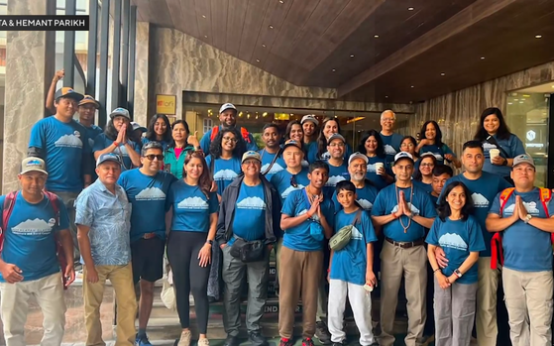 Himalayan Pilgrimage: A Couple’s Narrow Escape and Lingering Questions
  Former CEO Sentenced for Bank Fraud and Sanctions Evasion
 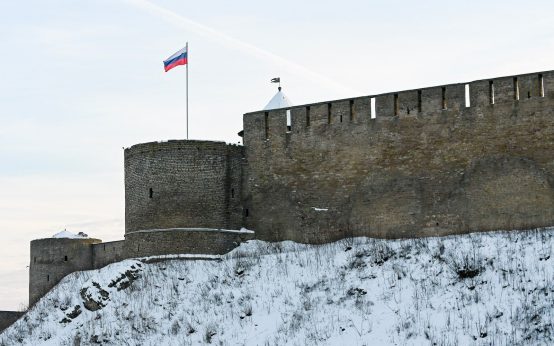 Russia’s Potential Incursion Into Estonia: NATO’s Resilience Under Scrutiny
  Senators Urge Action to Free Imprisoned Journalist in Iran
 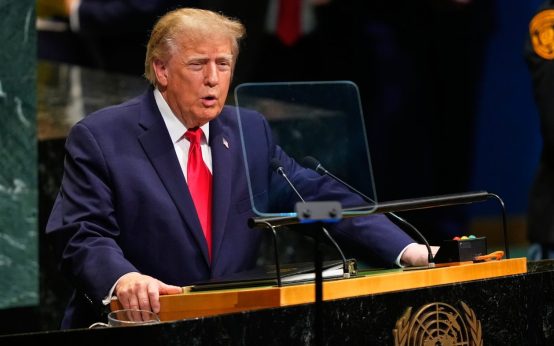 Trump’s Address at UNGA and Key Political Developments
  Irish Athletes Urge Boycott Against Israel