
Italy experienced widespread strikes over the weekend. Air traffic controllers in Milan halted work on Sunday. On Saturday, a national rail strike affected train services. On Friday, workers and students protested across more than 100 cities against Prime Minister Giorgia Meloni’s budget plan for 2027.
The strikes represented a major public outcry against economic measures introduced by Meloni’s administration. The proposed budget included controversial reforms such as an exit tax, which faced heavy criticism.
Labor unions organized the general strike, voicing concerns over the economic consequences of Meloni’s policies. Demonstrations unfolded against a backdrop of economic uncertainty, with many fearing the impact on jobs and public services.
Prime Minister Meloni responded by re-evaluating the exit tax plan. This move suggests a willingness to listen to public and political pressures. Her decision may indicate an attempt to stabilize her government amid growing dissent.
Economist Laura Abbati commented, “The retreat signals a shift in the Prime Minister’s strategy. It reflects the strong opposition from various sectors of the country.”
The reconsideration of the exit tax highlights the importance of dialogue between government and citizens. It underscores the power of collective action in shaping policy decisions.
 Democrats Secure Control of the House
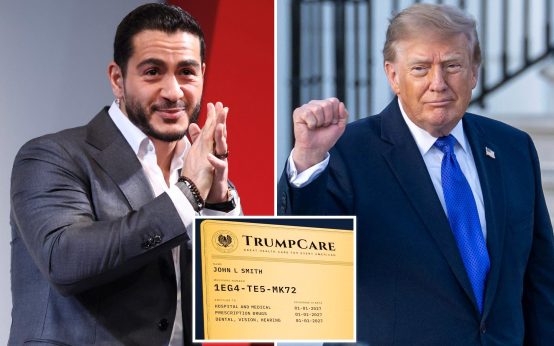 Trump Gives Unexpected Push to El-Sayed’s Universal Health Care Proposal
 Historic Wins for House Democrats in General Election
 Democratic Gains in North Carolina Expand House Majority
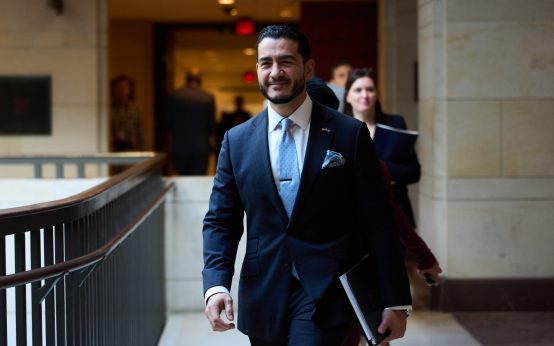 El-Sayed Opens Door for Republican Support on Medicare for All
 Democrat Chuck Hubbard Wins North Carolina’s 5th District